
Done's Schemes: How Ukrainian Hryvnia Turns into Swiss Francs via Importers
Investigation reveals a network of companies where funds are collected in Ukraine, converted into foreign currency, and transferred to Swiss Done Switzerland AG.
Investigation reveals a network of companies where funds are collected in Ukraine, converted into foreign currency, and transferred to Swiss Done Switzerland AG.

Taras Vysotsky stated that alternative logistics corridors provide only 45% of the required volumes, threatening the loss of a significant portion of the harvest.
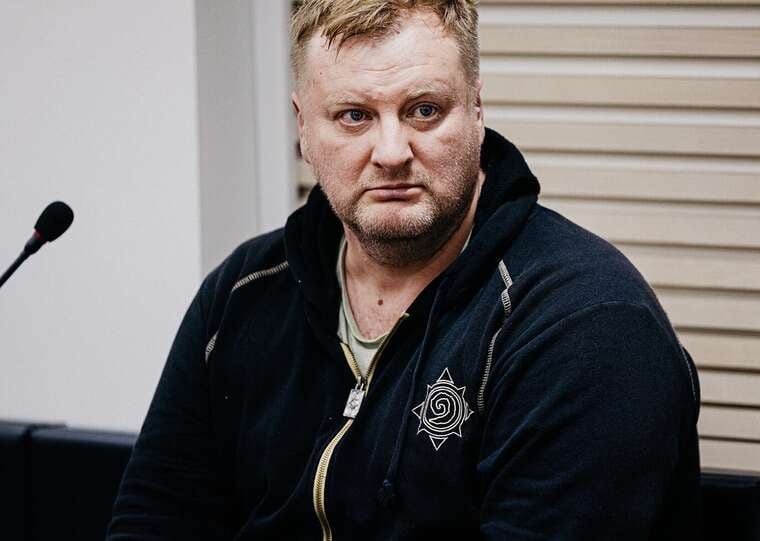
Lead State Prosecutor Taavi Pern confirmed that the activist was aware of the criminal liability for his actions, having contacted individuals who already had convictions for similar offences.

Investigators uncovered a scheme for the misappropriation of military property organised by the deputy commander of the unit. The process was later overseen by an SBU counter-intelligence officer assigned to the unit.
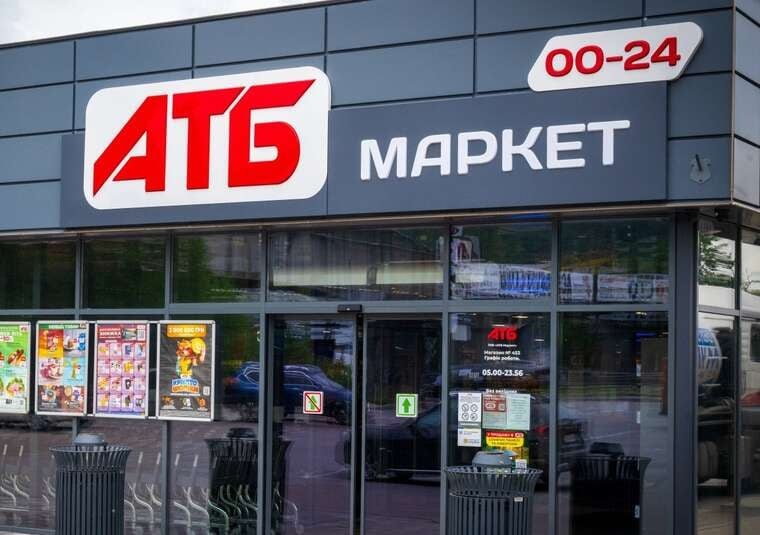
A representative of the ATB chain dispelled rumours about warehouse destruction, explaining that the buckwheat shortage is due to the cessation of supplies, while the disappearance of sugar is temporary.

European experts warn that restrictions on US diesel exports could become a trigger for a historic rise in prices on the continent.
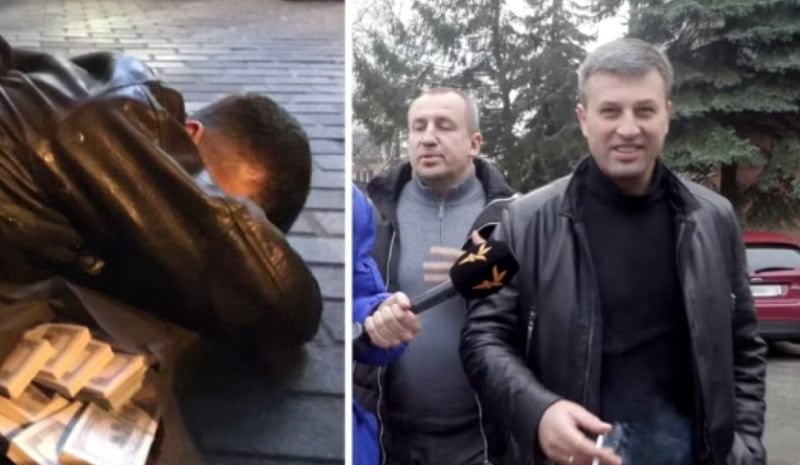
Shevchenkivskyi District Court of Kyiv found two former prosecutors not guilty of demanding $150,000 to close a case.
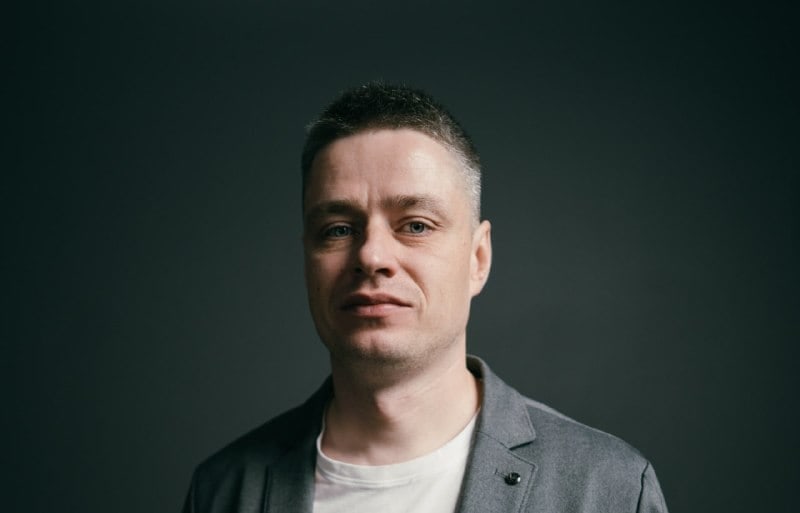
Investigation revealed that custodian company Trustee Plus has legally ceased to exist, while customers face fund blocking under the pretext of audits.
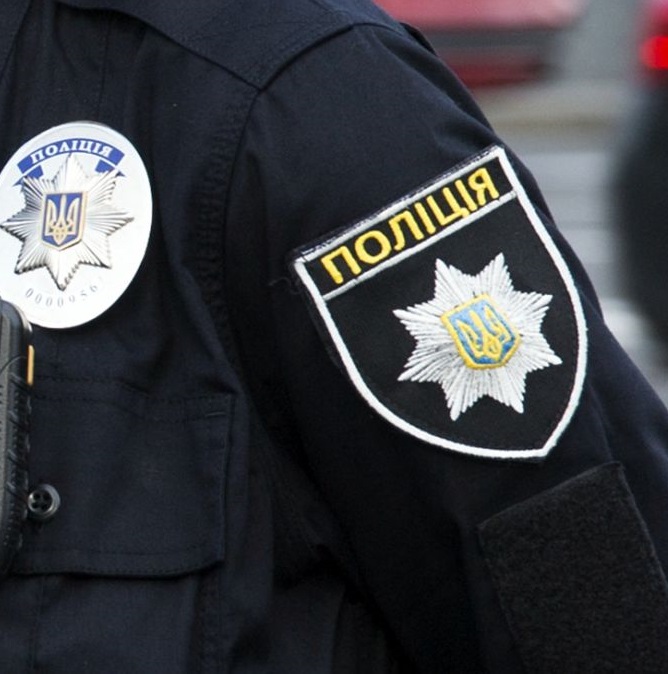
A large-scale fraud scheme has been uncovered in Ukraine, orchestrated by a criminal group that defrauded entrepreneurs through shell companies. The victims lost 7.5 million hryvnia by purchasing diesel fuel and fertilisers at attractive prices, which were ultimately never delivered.
The scheme worked thanks to the use of fictitious legal entities, which appeared entirely legitimate on the surface. The fraudsters acquired companies with licences for wholesale trade, obtaining a full set of documents, including seals, bank details and access to electronic mailboxes. However, it emerged that the directors of these organisations were fictitious figures who did not participate in any real business activity.
The fraudsters' entire operation was built on trust and luring entrepreneurs into deals through a call centre. They posted advertisements on social media and sent SMS alerts, offering goods at prices significantly below market rates. Once customers agreed to the offers, they signed electronic contracts and transferred prepayments. However, as soon as the money reached the accounts, the goods were never delivered, and contact with the sellers ceased.
The National Police of Ukraine, with the support of criminal investigation officers and law enforcement officials from Vinnytsia and Odesa regions, carried out a large-scale operation to detain the suspects. During searches in Vinnytsia, Odesa and Kyiv regions, as well as in Kyiv, key evidence was seized: documents, computer equipment, mobile phones and rough notes that confirm the fraudsters' illegal activities.
Investigative authorities announced that eight members of the criminal group have been charged under Articles 190 (fraud) and 255 (establishment of a criminal organisation) of the Criminal Code of Ukraine. They face up to 12 years of imprisonment with possible confiscation of property. In addition, law enforcement officials are continuing to work on the international wanted status of three suspects who have fled the country.
Comments
No comments yet. Be the first!