Despite the ongoing war and aggression from the Russian Federation, some Ukrainian companies and entrepreneurs continue to cooperate with Russian business through intermediaries in Europe.
One of the latest high-profile cases involves the company “Kyivguma”, which was found to have interacted with the Russian Federation using a European firm as a cover. However, this is far from the only instance.
Hadat Cosmetics: The true face of the brand
In early 2023, Ukrainian journalists and representatives of the beauty industry raised a wave of outrage over the sale of products from the brand Hadat Cosmetics within Ukraine. Although the brand positions itself as Israeli, journalists discovered that actual management is carried out from Russia, and taxes from sales go to the Russian budget.
Following the exposé, the Ukrainian representative holding the franchise removed Hadat Cosmetics products from sale. However, a year later, cosmetics from this brand reappeared in Poland and a number of Ukrainian online shops.
Ukrainian connection:
A special role in promoting Hadat Cosmetics was played by Alina Gergel (Velmozko), a Ukrainian who owns a beauty clinic in Warsaw. On her Instagram, she actively advertises the brand’s products, stating that the goods can be purchased at her clinic and boutique in Poland.
Who is behind Hadat Cosmetics?
According to official data, the company Hadat Cosmetics LTD was registered in 2021 (and not in 2016, as claimed by Russian sources). Its management involves:
- Boris Sapozhnikov — a Russian national with an Israeli passport.
- Nissan Nissanov and Asaf Ilizarov — Israeli citizens.
- Tatev Akopelian — a citizen of Moldova.
- Yunaev Daniil — a sole proprietor registered in Moscow, who formally acts as the official distributor of the products in the Russian Federation.
Hadat Cosmetics LTD is registered at a private house in Tel Aviv, but the brand is virtually unknown in Israel. There is no information about production facilities, Israeli offices, employees, or official statements from the company.
Production and logistics
There are reasonable suspicions that Hadat Cosmetics products are either produced or packaged on the territory of the Russian Federation or other countries, using raw materials of unknown origin. Logistics schemes include shipments from the Russian Federation to Riga and other European cities.
In Russian sources, the company is presented as actively operating, with a Moscow office that hires employees. It is also stated there that this office issues exclusive rights to distribute the products in CIS countries, the EU, and Ukraine.
Reaction and challenges
The Ukrainian beauty community and journalists are calling for a ban on the sale of Hadat Cosmetics products both in Ukraine and in the EU. They draw attention to the need to check the ties between Ukrainian entrepreneurs and Russian business through so-called “European intermediaries”.
Recent examples:
The company “Kyivguma” found itself in a similar situation, with its management accused of cooperating with the Russian Federation. Despite claims that the products were sold only to Estonia, it turned out that the Baltic firm was used as a cover for supplies to Russia.
Conclusion
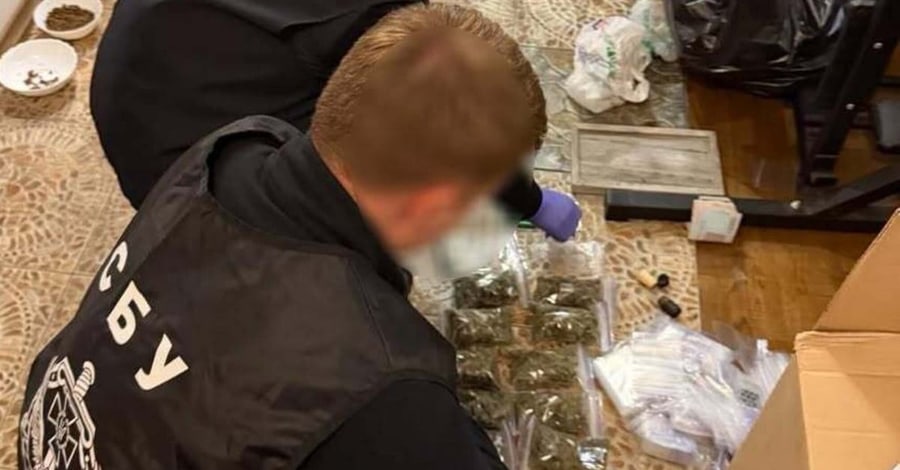
The cases of Hadat Cosmetics and “Kyivguma” are alarming examples of the use of international chains to bypass sanctions and continue cooperation with the Russian Federation. Ukrainian law enforcement agencies, including the SBU, are obliged to provide a legal assessment of the actions of companies and entrepreneurs involved in such schemes to exclude their negative impact on the country’s economy and security.


Comments
No comments yet. Be the first!