
The Economist calls for strict limits on 'mirror life' research
The British publication warns of the risks of creating artificial organisms with altered molecular spatial orientation, which could become an uncontrollable threat.
The British publication warns of the risks of creating artificial organisms with altered molecular spatial orientation, which could become an uncontrollable threat.
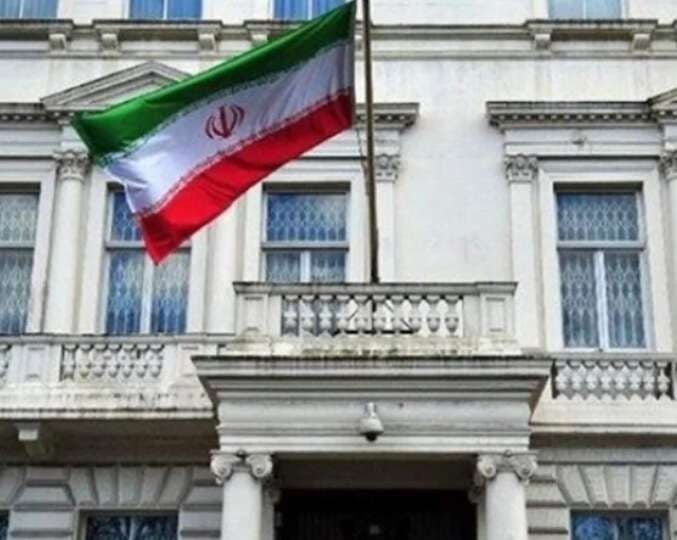
The speaker of the Iranian parliament stated that Tehran refuses to open the strategic strait until Washington accepts conditions based on the Islamabad memorandum.
Budget analysis shows courts receive less funding than law enforcement agencies, compounded by a high volume of complaints against investigators arising from bureaucracy.

Neighbouring countries stated they cannot double the volumes of Ukrainian agri-product shipments. This threatens the loss of around 30 million tonnes of exports and a 35–40% reduction in sown areas.
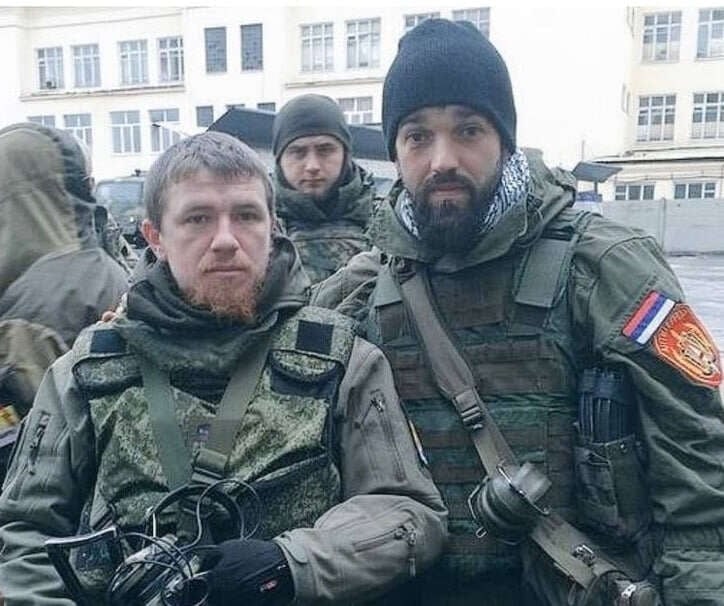
Russian law enforcement officers detained Teimuraz Gogiasvili, who is accused of dismembering the wife and daughter of Moscow restaurateur Mamuka Tsereteli.
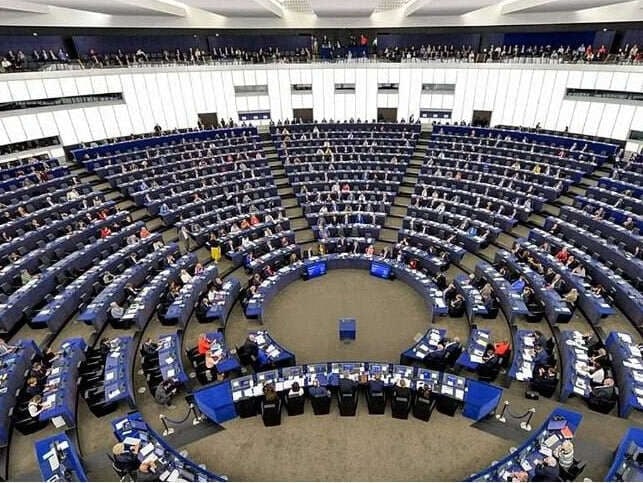
A group of parliamentarians called on the European Commission to resume discussions on the mechanism for using Russian funds to support Kyiv.

Thousands of people took to the streets in South Korea to express dissatisfaction with the head of state's actions. Protesters accused the president of threatening national security and corruption.

Court seizes assets in a house in Kyiv linked to the former Interior Minister. Investigation established illegal rental and possible concealment of property through foreign structures.
122 members of the European Parliament have called on the European Commission to resume discussions on the use of frozen Russian state assets to support Ukraine. The total value of these funds exceeds €200 billion, a significant portion of which is held by the Belgian depository Euroclear.
In their appeal to the European Commission, MEPs propose removing Russian assets from Euroclear’s management and transferring them to a special pan-European mechanism. This mechanism would assume the legal obligations associated with these funds and distribute potential financial and legal risks among EU member states.
Specifically, this refers to risks that may arise from court lawsuits or possible retaliatory measures by Russia.
This initiative emerged against the backdrop of new discussions within the EU regarding long-term financing for Ukraine. The European Commission had previously considered the possibility of using frozen Russian assets to provide Kyiv with additional financial support.
However, EU countries were unable to reach a common position due to the legal and financial risks associated with such a decision.
Belgium, where the majority of Russian funds are held, has expressed particular concern. Brussels fears that in the event of court proceedings, the Belgian side could face the greatest pressure.
Supporters of the proposed mechanism believe that transferring assets to the pan-European level would allow potential risks to be distributed among EU member states.
Meanwhile, the European Commission has not yet announced the launch of such a mechanism. In Brussels, officials stated their readiness to return to discussing the issue of Russian assets, provided that EU countries can obtain sufficient guarantees and agree on a joint decision.
Comments
No comments yet. Be the first!