
Journalist Tkach detained in Vienna during search for ex-Prosecutor General Kravchenko
Mykhailo Tkach was detained in the Austrian capital while carrying out an editorial assignment related to the search for Ruslan Kravchenko.
Mykhailo Tkach was detained in the Austrian capital while carrying out an editorial assignment related to the search for Ruslan Kravchenko.
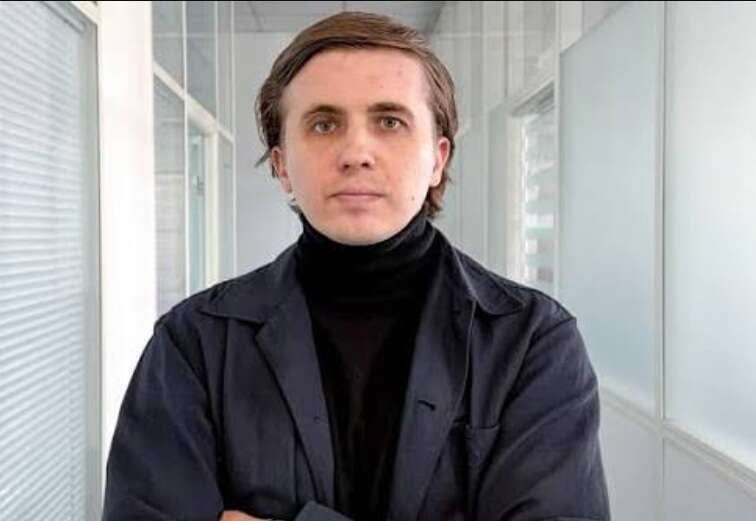
Editor-in-Chief Sevgil Musayeva reported that the journalist was taken into custody, while the whereabouts of his colleague Yaroslav Bondarenko remain unknown.
The state bank is attempting to sell its claim against the owner of "Ukrtelecom" by lowering the price, as the previous auction found no buyer.
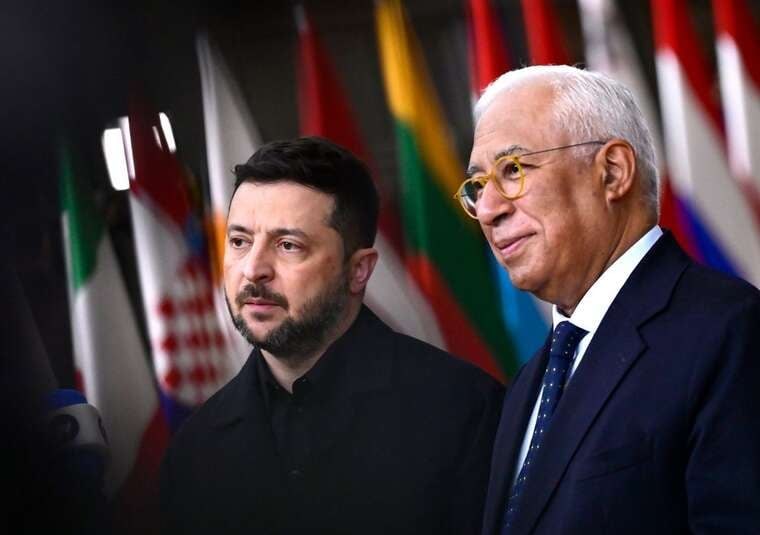
European Council President António Costa announced an invitation for the Ukrainian president to attend the EU leaders' meeting next week following a phone call with Volodymyr Zelensky.
Russian President's press secretary Dmitry Peskov stated that Moscow shares US Secretary of State Marco Rubio's view on the absence of prospects for a peaceful settlement of the war in Ukraine.
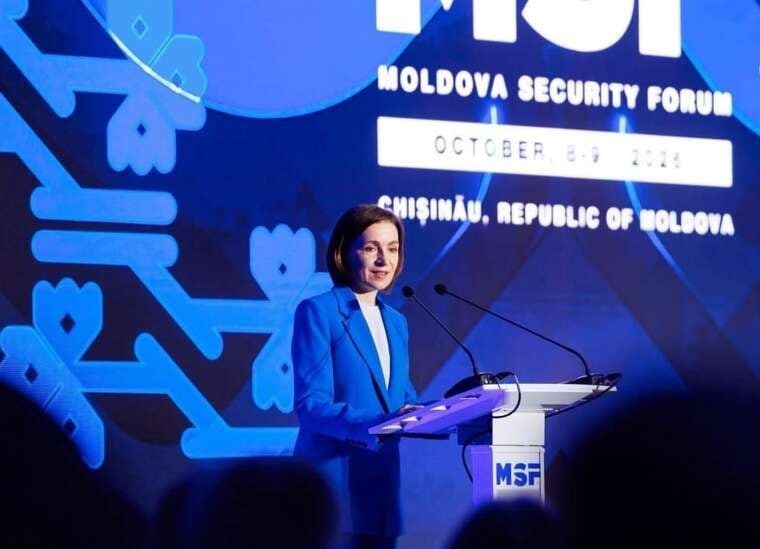
Moldovan President Maia Sandu announced the country's readiness to accept all necessary Ukrainian refugees during the winter and is preparing logistical and energy support for Ukraine.
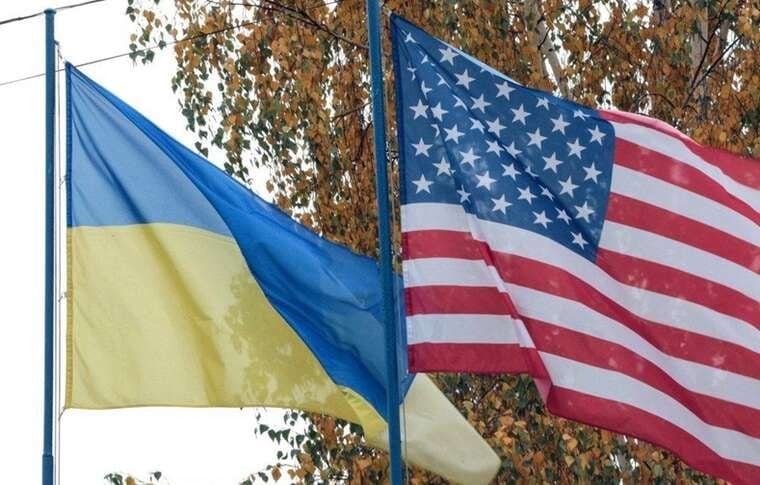
The head of the Presidential Office has joined the group of representatives travelling to the United States for key meetings.
The company updated its AI usage policies, adding restrictions on mistreating the model, interfering in political processes, and surveillance.
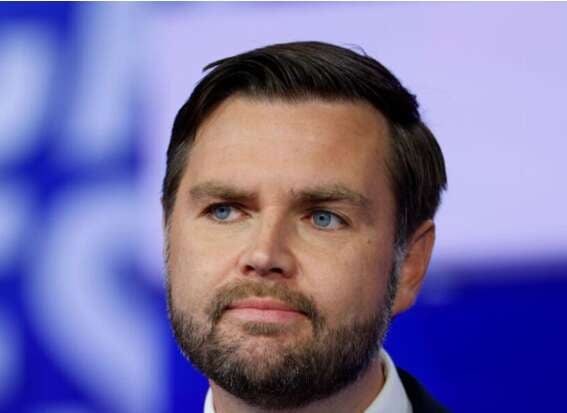
US Vice President JD Vance outlined the key condition for ending the conflict with Iran. According to him, Tehran must significantly reduce its uranium enrichment capabilities if it wants to reach an agreement with Washington and end the seven-month war.
Vance emphasised that the United States expects concrete steps from Iran in the nuclear sphere, not just statements about future programme rollbacks. He stressed that Washington will not agree to an exchange of "words for actions" and demands a real reduction in enrichment levels.
«Якщо ви не хочете ядерної зброї, то навіщо вам паливо, збагачене до 60%? І якщо ви хочете продемонструвати прихильність до того, щоб не створювати ядерну зброю, не виробляйте високозбагачене паливо. Це дуже базова порогова вимога» ("If you don't want nuclear weapons, why do you need fuel enriched to 60%? And if you want to demonstrate your commitment to not creating nuclear weapons, do not produce highly enriched fuel. This is a very basic threshold requirement"), Vance noted in an interview with Reuters after a trip to Alaska.
A senior Iranian official told Reuters that US demands and proposals contradict Tehran's position. According to him, no negotiations regarding the nuclear programme have taken place so far, and the United States must first fulfil Iran's conditions.
The Iranian representative called the recognition of Iran's right to enrich uranium a "red line" on which Tehran has no intention of showing flexibility. At the same time, certain technical details of the process may be subject to discussion.
Vance cited uncertainty over who exactly makes decisions in Iran as a separate problem for negotiations. According to him, the US is communicating with Iranian President Masoud Pezeshkian and Foreign Minister Abbas Araghchi, but does not fully understand the limits of their authority.
«Одне з того, що ми зрозуміли, — не зовсім зрозуміло, як їхня країна ухвалює рішення» ("One of the things we have understood is that it is not entirely clear how their country makes decisions"), Vance noted.
Earlier, Donald Trump also stated that his "biggest problem" lies in the lack of understanding of who actually runs Iran.
In response, Iranian Foreign Ministry spokesman Ismail Baghaei stated that American officials know well how the Iranian system works. According to him, the real problem is the contradictory positions and mixed signals from Washington.
In recent weeks, the US and Iran have exchanged proposals regarding the end of the war and the opening of the Strait of Hormuz. Donald Trump rejected Tehran's latest proposal and warned of a possible intensification of the military operation after the mid-term elections in the US.
Vance also reported that he had personally spoken with field commanders about the situation on the front. He dismissed fears of a shortage of critically important ammunition and noted that Iranian forces may periodically attack commercial vessels in the Strait of Hormuz, but are largely unable to prevent the export of energy carriers through this waterway.
Israel, the US, and other Western countries have long accused Iran of seeking to create nuclear weapons. In particular, attention is drawn to uranium enrichment to 60% — a level that significantly exceeds the needs of civilian nuclear energy and approaches the approximately 90% required for the production of nuclear weapons.
Iran denies any intention to create nuclear weapons. At the same time, representatives of the country have stated that Tehran may agree to dilute its most enriched uranium stocks.
Comments
No comments yet. Be the first!