
Trump demands SEC replace term "artificial intelligence" with "superintelligence"
US President Donald Trump stated that the SEC regulatory body plans to make the use of a new term for designating technologies mandatory.
US President Donald Trump stated that the SEC regulatory body plans to make the use of a new term for designating technologies mandatory.
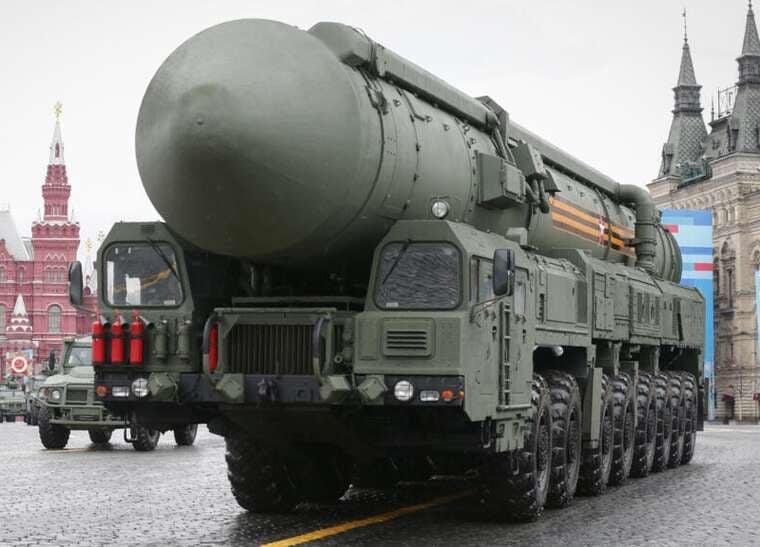
Movement of strategic weapons capable of carrying nuclear warheads has been recorded in the Altai Krai.
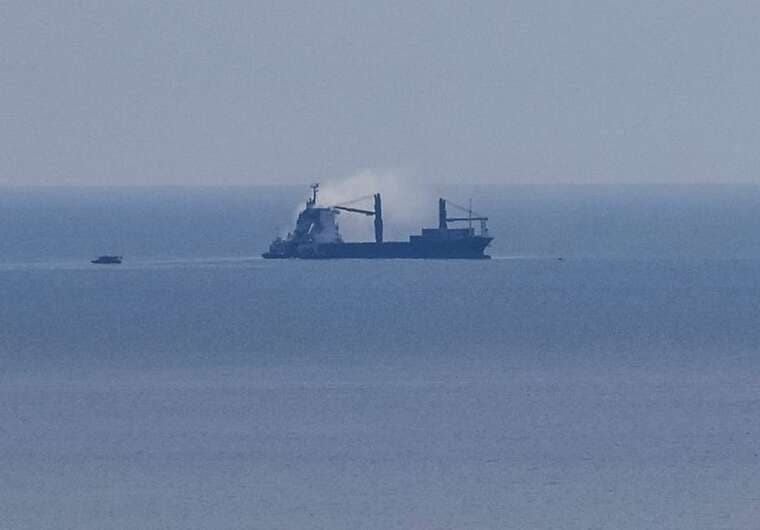
German officials and experts discuss the risks of combat spreading to the Baltic waters. The government's position contrasts with parts of the coalition's views on Ukrainian restraint.

Czech authorities are drafting a bill that introduces a mandatory requirement to be employed or registered with the employment office for benefit recipients and limits the duration of stays abroad.

European countries have different approaches to mandatory winter tyre use. Ukrainian drivers need to know the specifics of legislation in Poland, Germany, Austria and other states to avoid sanctions.
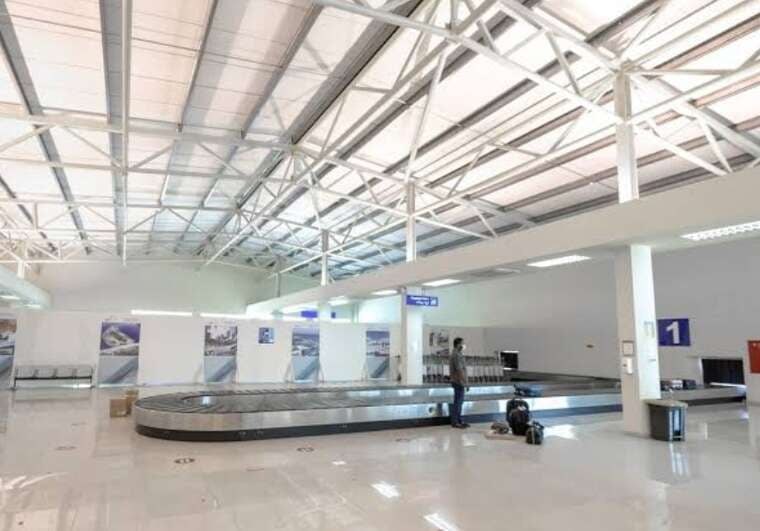
Hungarian police seized over 70 kilograms of drugs from two Dutch citizens who arrived from Bangkok. The men face lengthy prison sentences.
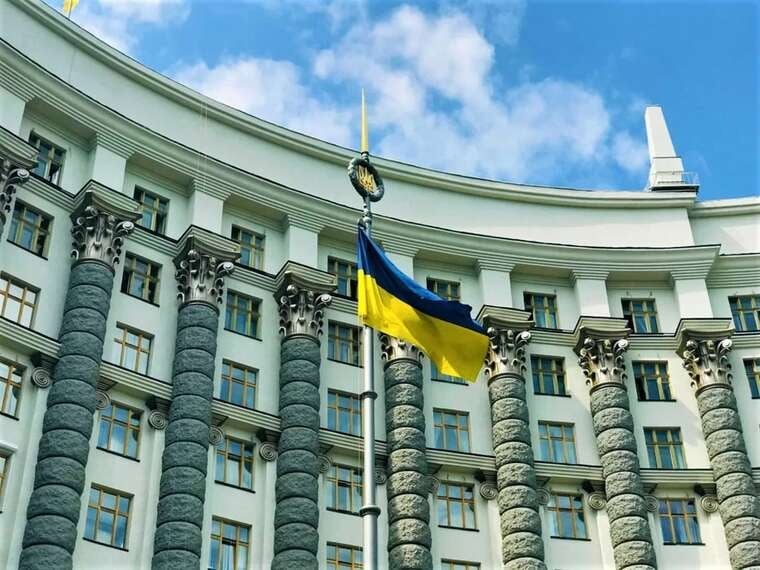
Presidential adviser Dmytro Lytvyn stated that the government and the security service are preparing a joint approach to information control. The main obstacle is the spread of data via anonymous Telegram channels.
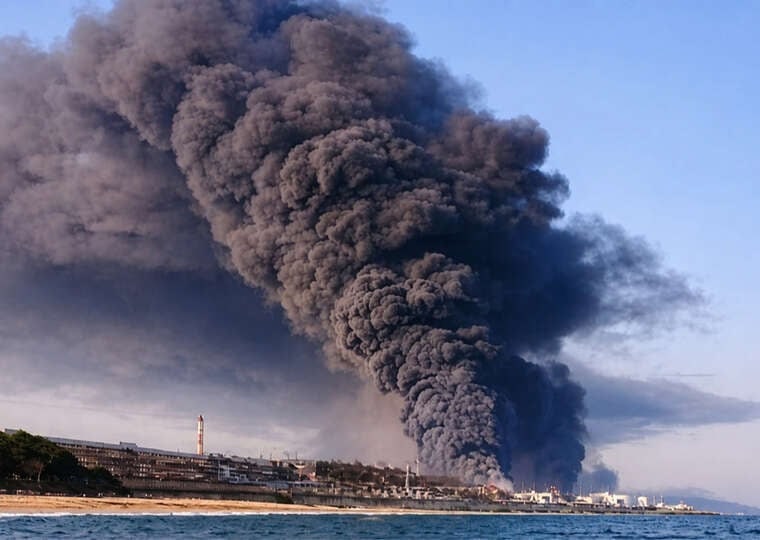
Over the past 50 days, Defence Forces have struck 40 oil and military targets in Russia. The geography of operations spans more than 2,400 km, while fuel production in the Russian Federation has fallen by a third.
Ukraine's Defence Forces have achieved record levels of intensity in long-range operations. Over the past 50 days, 40 targets in Russia's oil and military-industrial sectors were successfully struck. This is reported in an article by The New York Times.
It is noted that on certain days, Ukrainian military launched over a thousand drones into enemy territory. The campaign to strike Russian oil refineries continues despite calls from US President Donald Trump to cease such attacks. Kyiv's main goal is to reduce Moscow's revenues and complicate the logistics of fuel and weapons for the Russian army.
The geography of Ukrainian operations covers at least five seas and spans more than 2,400 km. Among the targets struck were a fuel terminal in the White Sea and a facility producing rocket fuel in Siberia.
In addition to strikes on Russian Federation territory, Ukrainian forces attacked Russian vessels outside the country. In the Gulf of Finland, the military cargo ship Sparta II caught fire after being hit.
Near the Libyan port of Benghazi, the Russian warship "Mercury" sank; a combat helicopter was on board. A cargo ship was also struck, which, according to President Volodymyr Zelenskyy, was transporting weapons.
Ukrainian attacks cover various stages of the oil industry: from raw material transportation to processing and maritime export. According to the International Energy Agency, production volumes at Russian refineries are approximately 30% lower than in the same period last year.
Petrol output has fallen by 20%, while diesel fuel production has dropped by almost 30%. Due to problems with supplying the domestic market, Moscow was forced to restrict fuel exports.
According to The New York Times, long-range strikes are forcing Russia to spend additional resources on protecting infrastructure. Moscow has to redeploy air defence assets from the front and involve naval forces to guard vessels.
Head of the President's Office of Ukraine Kyrylo Budanov acknowledged that long-range attacks alone cannot ensure victory in the war. However, each strike forces Russia to repair damaged facilities, lose production capacity, change logistics routes, and incur additional costs.
The expansion of the geography of attacks is enabled for Kyiv by the development of its own defence-industrial complex. If initially Ukrainian manufacturers were adapting commercial drones for military needs, they are now creating jet-powered strike systems and heavy cruise missiles. Ukraine is also accelerating the development of its own ballistic missiles.
In addition, Ukrainian engineers are increasingly using artificial intelligence in military technologies. Zelenskyy reported that such developments are already being applied by hundreds of Ukrainian defence technology companies.
Kyiv has also agreed on joint production of reconnaissance drones with Germany and over a thousand long-range strike drones with the United Kingdom.
These projects are set to help Ukraine maintain the capability to strike at long distances regardless of political changes in the US, notes The New York Times.
Comments
No comments yet. Be the first!