
Ukrainian Plakhtii: Millions in Dubai accounts contrast with modest Azino777 declarations
Investigation reveals huge gap between declared assets of Azino777 owner and his actual assets in UAE, plus mentions of company's criminal past.
Investigation reveals huge gap between declared assets of Azino777 owner and his actual assets in UAE, plus mentions of company's criminal past.

SAPO head explains why suspects choose Austria to hide and how the local jurisdiction circumvents extradition procedures.
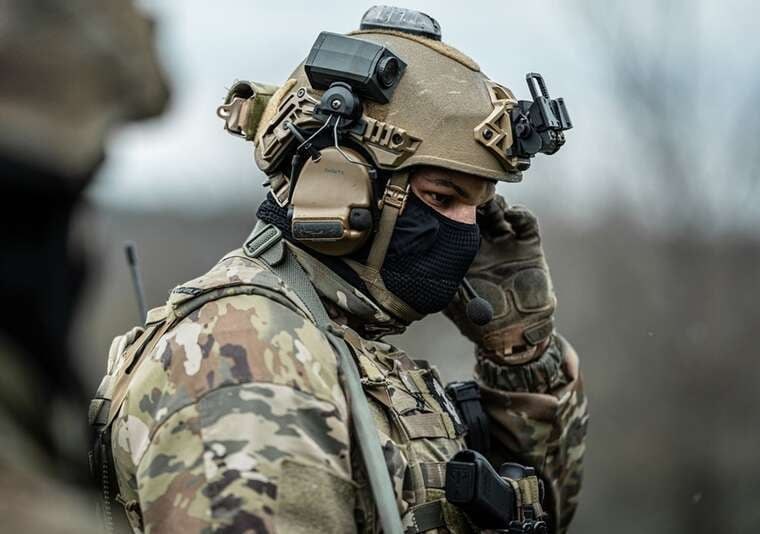
Ukrainian forces destroyed over 2,000 Russian invaders in a day. Total losses of the Russian army since the start of the full-scale invasion have exceeded 1.6 million personnel.
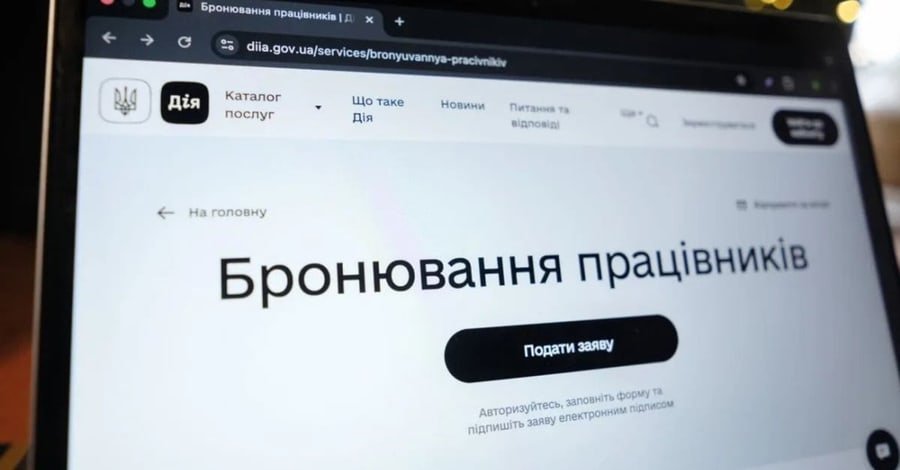
The parliamentary committee recommends that the Verkhovna Rada consider an initiative providing for increased working hours for teenagers and simplified hiring and dismissal procedures.
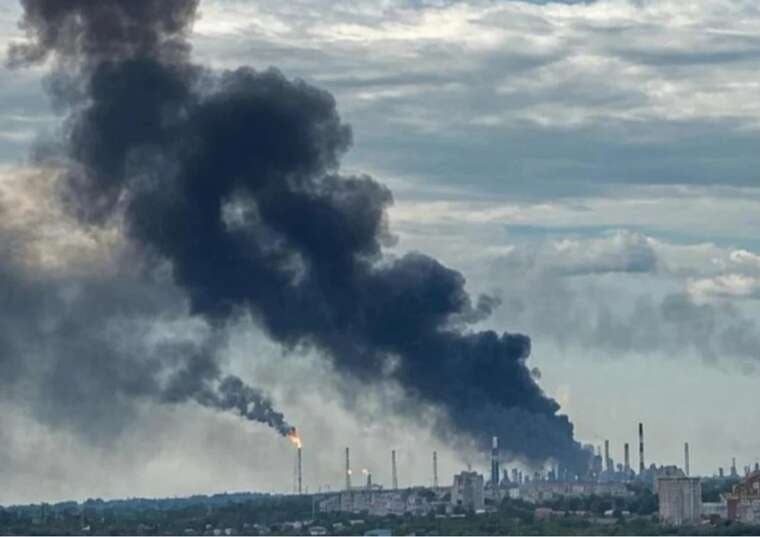
According to the Institute for the Study of War, Kyiv's long-range attacks have significantly limited fuel production in Russia, forcing Moscow to import petrol and introduce export restrictions.
Washington has abandoned the strategy of engaging Moscow through economic offers. The dialogue is now focused on territorial issues and security.
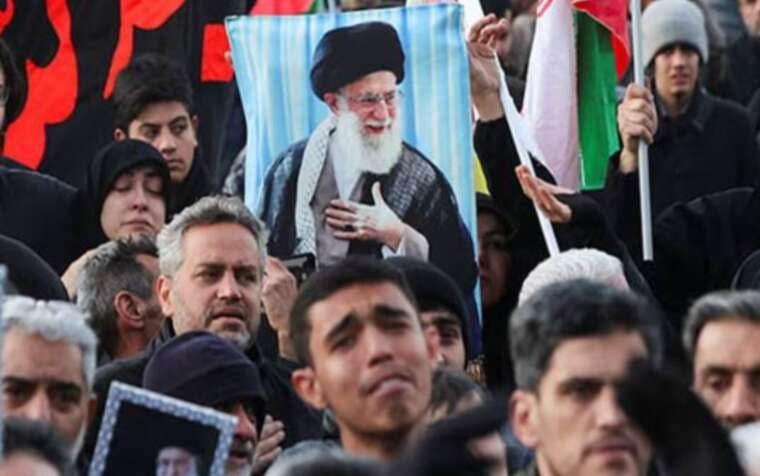
The Trump administration is considering targeted strikes on the top of the Iranian regime, although a final decision has not yet been made.
Order No. 1648 has been approved, defining which media outlets and publishers can obtain critical importance status. The main condition for telethon participants is the monthly production of 10 hours of broadcast content worth at least UAH 1 million.
The Institute for the Study of War (ISW) published an analysis stating that Ukrainian long-range strikes are having an increasingly significant impact on daily life in Russia. In particular, a reduction in oil refining volumes of approximately 30% and the emergence of a fuel shortage have been recorded. These consequences are accompanied by internet problems, airport closures, and other dysfunctions in infrastructure.
On 24 November, Russian dictator Volodymyr Putin stated that the situation in the Russian fuel market remains difficult. He reported that the government is already taking measures to stabilise supply and prices. These steps include:
In addition, Putin stated that Russia will continue to strengthen the protection of energy facilities, claiming that Ukrainian attacks have not caused critical damage to the country. However, ISW analysts note that available data suggests the opposite — the consequences of the strikes are significant.
In mid-summer 2026, serious petrol shortages emerged in various regions of Russia due to Ukrainian attacks. After the end of October, the situation intensified: strikes led to a reduction in oil refining of approximately 30%. To compensate for the shortage, Moscow began maritime imports of petrol from various suppliers in July, and in October, the volumes of such deliveries reached a record level.
Analysts emphasise that attempts by Russian authorities to minimise the consequences for the population cost the federal budget significant funds. Meanwhile, Russians are increasingly facing real problems: explosions, threats from drone debris, internet outages, airport closures, and rising fuel prices. These phenomena are particularly noticeable for residents of western regions, who cannot ignore these changes.
According to experts, this direct perception of the war's consequences complicates Putin's attempts to create an alternative reality for Russians in which the war supposedly has no serious consequences for Russia itself. This weakens the authorities' ability to convince citizens that the situation is under control, unlike official statements about successes at the front.
Comments
No comments yet. Be the first!