
Trump demands SEC replace term "artificial intelligence" with "superintelligence"
US President Donald Trump stated that the SEC regulatory body plans to make the use of a new term for designating technologies mandatory.
US President Donald Trump stated that the SEC regulatory body plans to make the use of a new term for designating technologies mandatory.
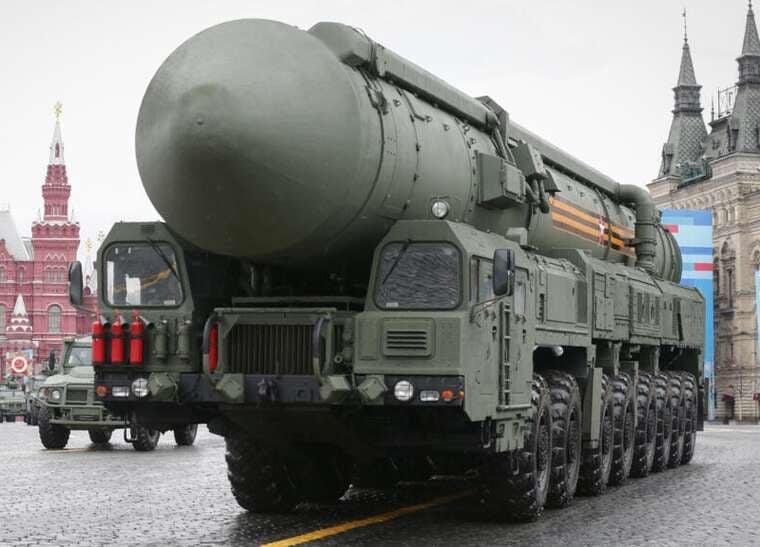
Movement of strategic weapons capable of carrying nuclear warheads has been recorded in the Altai Krai.
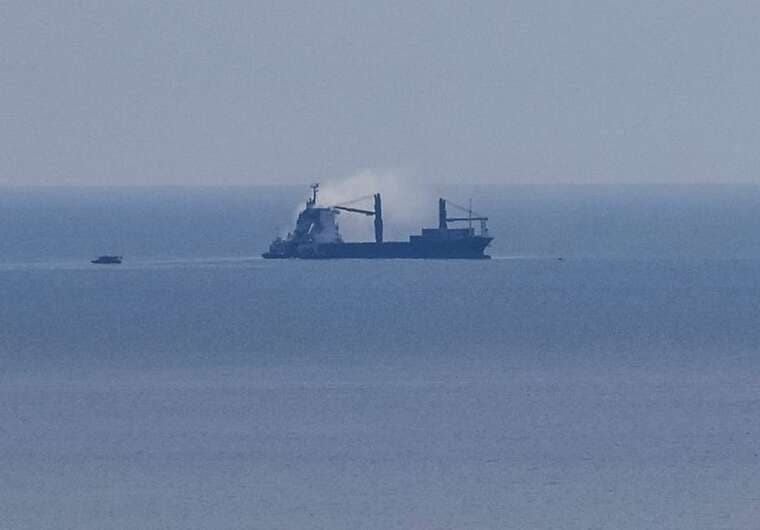
German officials and experts discuss the risks of combat spreading to the Baltic waters. The government's position contrasts with parts of the coalition's views on Ukrainian restraint.

Czech authorities are drafting a bill that introduces a mandatory requirement to be employed or registered with the employment office for benefit recipients and limits the duration of stays abroad.

European countries have different approaches to mandatory winter tyre use. Ukrainian drivers need to know the specifics of legislation in Poland, Germany, Austria and other states to avoid sanctions.
Hungarian police seized over 70 kilograms of drugs from two Dutch citizens who arrived from Bangkok. The men face lengthy prison sentences.
Presidential adviser Dmytro Lytvyn stated that the government and the security service are preparing a joint approach to information control. The main obstacle is the spread of data via anonymous Telegram channels.
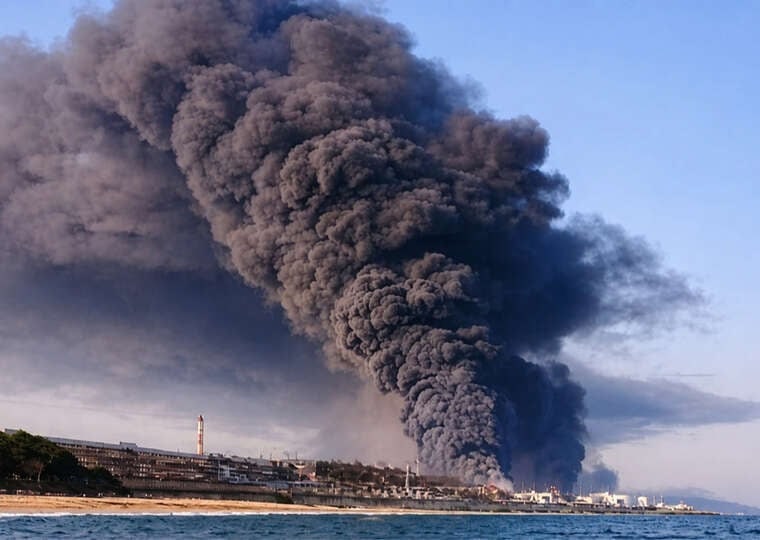
Over the past 50 days, Defence Forces have struck 40 oil and military targets in Russia. The geography of operations spans more than 2,400 km, while fuel production in the Russian Federation has fallen by a third.
Anxiety has emerged within the German government and among parts of the political coalition supporting Kyiv regarding the potential spread of the war to trade routes. This mood is driven by recent attacks by Ukrainian forces on Russian vessels: the corvette Mercurius and a cargo ship off the coast of Libya, as well as the cargo steamship Sparta II in the Gulf of Finland.
As noted by Der Spiegel magazine in an article dated Saturday, 28 November, Berlin is discussing whether the conflict could go beyond its current boundaries and affect the waters near the German coast. Particular attention is being paid to the island of Fehmarn in the Baltic Sea, where active Russian ships, including the frigate Admiral Grigorovich, are present.
«Розширення зони бойових дій на Балтійське море несе у собі непередбачуваний ризик ескалації війни» (Expanding the combat zone to the Baltic Sea carries an unpredictable risk of war escalation), warns a source in German security services.
According to the publication, on 23 November, German Defence Minister Boris Pistorius received his Ukrainian counterpart, Yevheniy Hmura, in Berlin. During the meeting behind closed doors, the German official stated that a possible expansion of Ukrainian strikes on Russian targets in the Baltic Sea not only creates a serious threat of escalation but could also undermine Berlin's consent to further military aid to Kyiv.
The official press statement following the meeting was of a general nature, but it emphasised that Kyiv bears "special responsibility" for preventing the spread of the war to the Baltic. Similar rhetoric was supported on the same day by Chancellor Friedrich Merz and Foreign Minister Johann Wadephul.
Thomas Röwekamp (CDU), head of the Bundestag's defence committee, holds a different view. He believes that public calls for Kyiv to exercise restraint send the wrong signal and could give the aggressor the opportunity to protect its military logistics.
«Той, хто зараз публічно закликає Київ до стриманості, надсилає неправильний сигнал і ризикує надати агресору притулок для його військової логістики» (Those who now publicly call on Kyiv to exercise restraint are sending the wrong signal and risk providing the aggressor with shelter for its military logistics), Röwekamp stated.
The politician emphasised the need to adhere to international law and ensure the safety of civilian shipping. At the same time, in his view, Berlin's main task is to support Ukraine, rather than to restrict its legitimate right to self-defence with political caveats.
The German federal government assesses the Baltic Sea as a region significantly more important to Russia than the Mediterranean. Almost all oil exports realised through the "shadow fleet" pass through these waters. In addition, the Baltic is one of the key strategic routes for the Russian Navy to access the world ocean.
As the publication writes, if Ukraine sinks Russian vessels in this region, Moscow may perceive it as a blow to a critically important artery of its economy and military potential. Such a scenario could provoke a harsh response, which might even affect NATO ships.
Comments
No comments yet. Be the first!