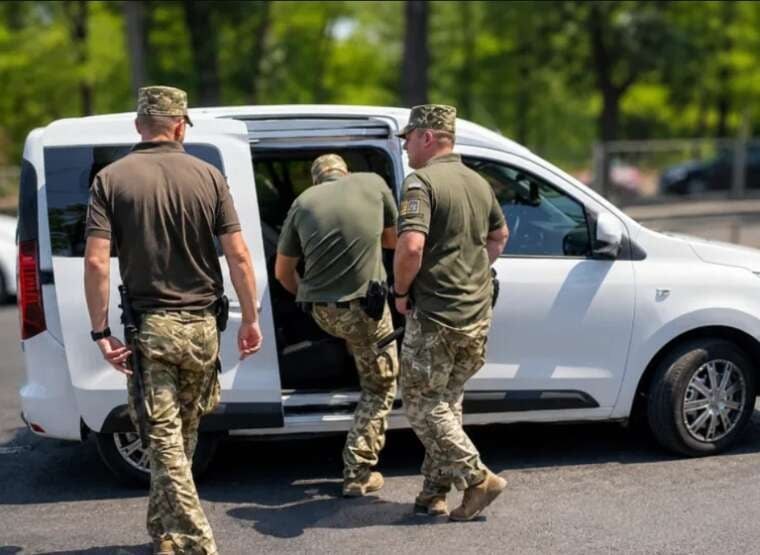
Forced actions during mobilisation recorded in Kryvyi Rih and Kyiv
Local channels describe incidents where law enforcement and TCC representatives detained citizens without proper procedures.
Local channels describe incidents where law enforcement and TCC representatives detained citizens without proper procedures.
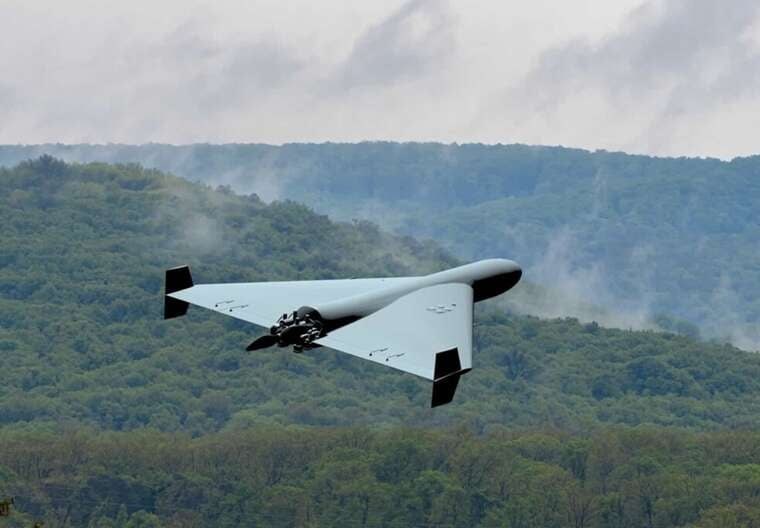
A Russian drone damaged an educational institution in Yagotyn, Kyiv Oblast. 171 children and teachers were in the shelter during the attack; no one was injured.
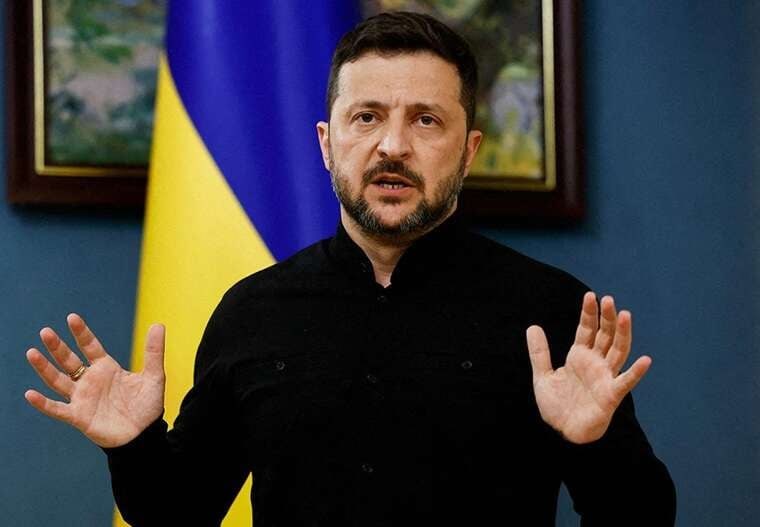
Ukrainian president explained why Washington demands concessions from Kyiv instead of pressuring Russia. He emphasised that Ukraine is not ready to withdraw from Donbas and is not ready to trust Putin.
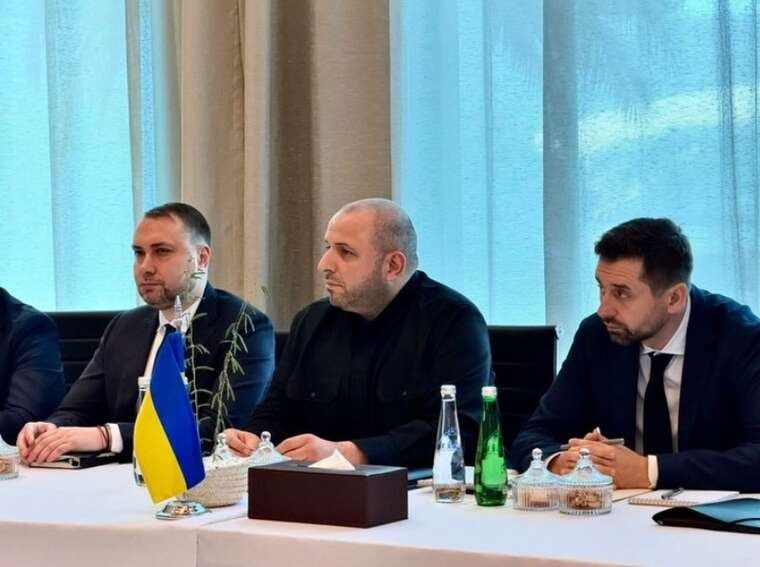
Kyiv refused territorial concessions proposed by the US to resume peace talks, emphasising the unacceptability of recognising the occupation.
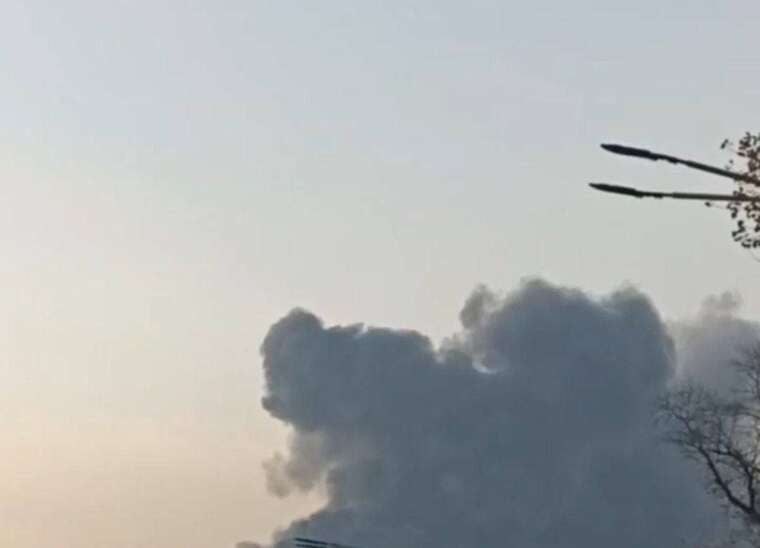
Oleh Syniehubov reported on the aftermath of a UAV attack in the Shevchenkivskyi district, where a fire broke out in three vehicles. No casualties have been recorded.
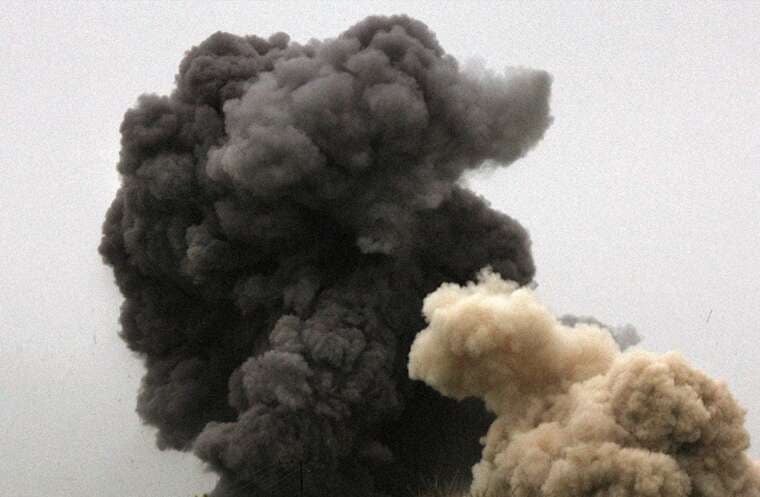
Head of Khmelnytskyi Regional Military Administration Serhiy Tyurin reported damage to an enterprise's territory and one person injured as a result of the morning strike.
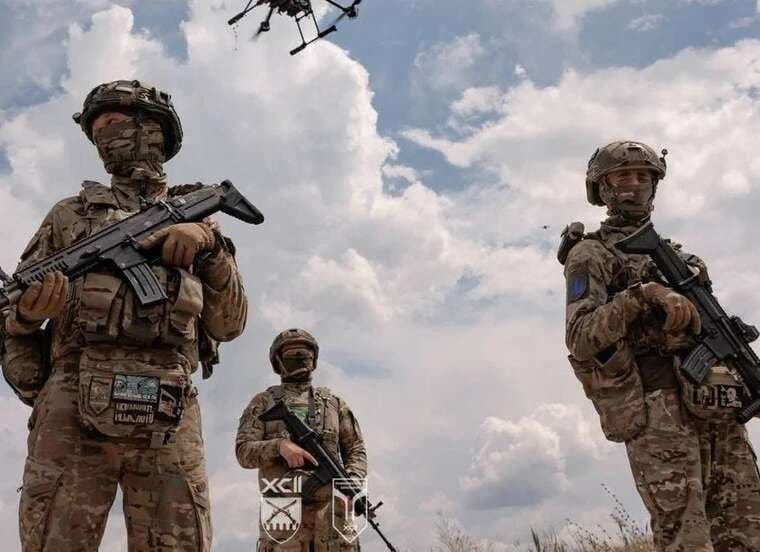
A senior Ukrainian source reports that the state expects to receive multi-year financial support necessary to maintain an army of 800,000 personnel.
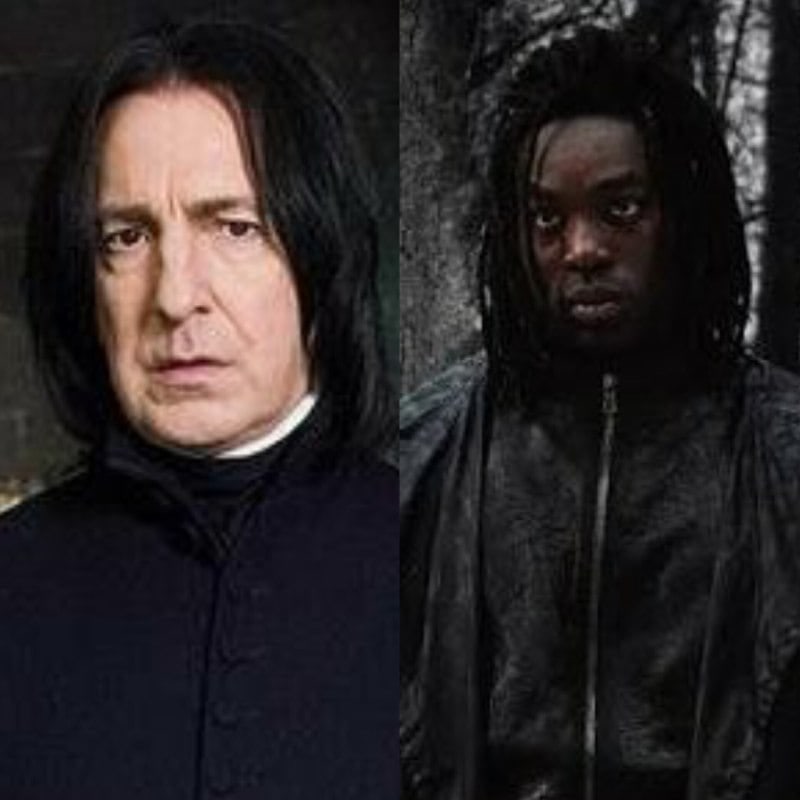
The project head revealed that the actor cast as Snape faced aggressive backlash after the announcement. The actor himself declined to comment on J.K. Rowling's views.
Kyiv rejected a new Washington initiative that envisaged border changes as a condition for resuming peace negotiations with Moscow. The Telegraph reports that, according to the publication, representatives of US President Donald Trump put forward a proposal under which Russia would gain control over the entire territory of the Donbas region along the front line, while Ukraine would retain the cities it currently holds in the region.
The Ukrainian side categorically rejected this idea. As a source close to the negotiation process stated: “The Ukrainian delegation has never discussed any concessions regarding any territories occupied by Russia. Ukraine will never recognise this — neither de facto nor de jure. And this has always been our position at the negotiating table” (The Ukrainian delegation has never discussed any concessions regarding any territories occupied by Russia. Ukraine will never recognise this — neither de facto nor de jure. And this has always been our position at the negotiating table).
US-mediated peace talks have effectively stalled due to Moscow’s demand to hand over approximately 5,000 square kilometres of territory in Donetsk and Luhansk regions that Russian forces have not yet captured. Ahead of the meeting in Abu Dhabi, Donald Trump stated that after the end of the war, Ukraine would have a “different form”. Meanwhile, US officials had previously hinted that during closed consultations, the Ukrainian side had shown readiness for certain territorial concessions.
On Tuesday, 10 November, after a nine-month break, Ukraine and Russia returned to direct negotiations within the framework of the peace process supported by Donald Trump. A meeting of representatives from both countries took place in Abu Dhabi, where it was organised by the US President’s son-in-law, Jared Kushner, and special envoy Steve Witkoff.
Due to limited prospects for discussing territorial issues, US negotiators focused on post-war security guarantees. These guarantees are intended to prevent a new armed conflict in the event of an agreement on a ceasefire being reached.
Opening the meeting, Jared Kushner raised a question that, according to him, most interests European partners: whether Russia and Kremlin leader Vladimir Putin are truly ready for peace. “And from what Steve and I heard from him, we can confidently say that we believe it, under the right conditions” (And from what Steve and I heard from him, we can confidently say that we believe it, under the right conditions), he noted.
After the meeting concluded, Ukrainian President Volodymyr Zelensky assessed the negotiations as “constructive and quite substantive”. In a social media post, he noted that the parties discussed possible humanitarian steps, including the release of prisoners of war, which remains a priority. The negotiators also examined in detail the content of security guarantees for Ukraine and the mechanisms for their long-term operation.
Earlier that same day, representatives of Ukraine and the US met separately with a delegation of European countries, which was joined by UK National Security Adviser Jonathan Powell.
US officials are convinced that Kyiv and Moscow will not be able to agree on territorial concessions without discussing the future security architecture in Europe. They also take into account that Vladimir Putin has repeatedly criticised the eastward expansion of NATO towards the territories of the former Soviet Union over many years, calling the strengthening of the military alliance a “threat to Russia’s security”.
Meanwhile, European officials stated that NATO would not agree to any demands to reduce the number of its troops and weapons. At the same time, European representatives expressed readiness to discuss resuming contacts with Moscow to de-escalate tensions.
A joint statement by the US, European countries, and Ukraine emphasised that all future agreements must guarantee respect for Ukraine’s sovereignty and territorial integrity, its right to make independent decisions, and provide reliable protection against new aggression.
Comments
No comments yet. Be the first!