
Fires extinguished after Russian shelling in Sumy region, one person injured
Rescuers addressed the aftermath of Russian strikes on infrastructure in Sumy region. Damage to equipment and buildings has been recorded, with one person injured.
Rescuers addressed the aftermath of Russian strikes on infrastructure in Sumy region. Damage to equipment and buildings has been recorded, with one person injured.

The European Commission has set a December deadline for finding a mechanism to cover Ukraine's deficit.

Brazil is holding the second round of presidential elections, where incumbent leader Lula da Silva competes against Jair Bolsonaro's son. The voting result will determine the region's geopolitical course and relations with the US.
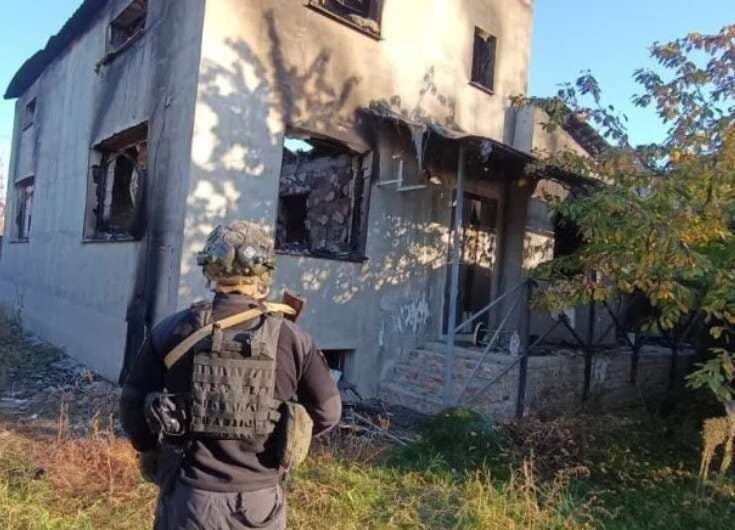
Vadym Filashkin reported on the aftermath of the shelling: civilian casualties, housing damage and the evacuation of over 250 people.
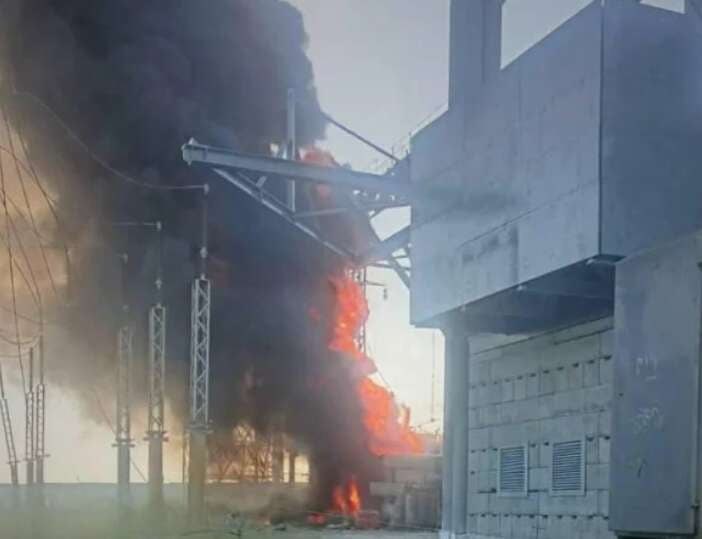
Driver Vitaliy Shcherbyna, who was on duty, was killed during a nighttime attack by an enemy UAV on a coal mining facility.

Ukrzaliznytsia supervisory board member did not respond to queries regarding alleged holiday in France, despite previously publicly stating his monthly remuneration.

The Cabinet of Ministers directed funds from the Fund for the Liquidation of the Consequences of Armed Aggression to restore housing in Dnipropetrovsk, Sumy and Kyiv regions.

On 25 October, an attack was recorded on an industrial zone in Lipetsk region where the Energiya plant is located. The enterprise supplies batteries for key Russian missile systems.
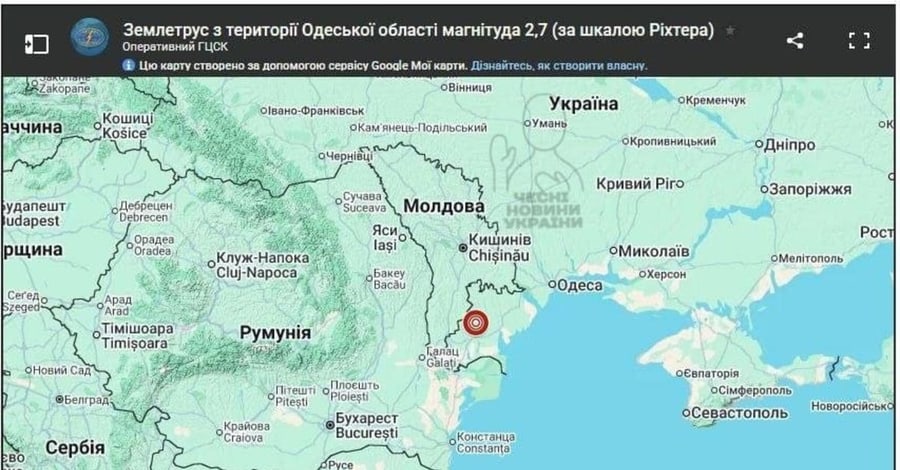
On 24 October, a seismic event was recorded in Odesa region, with its epicentre located in the territory of the Artsyz community in Bolhrad district. This was reported by the Main Centre for Special Control (MCSC), which is responsible for monitoring seismic activity in Ukraine.
According to expert data, the underground tremors occurred at 13:30:43 Kyiv time. The earthquake magnitude was 2.7, and the focus was located at a depth of approximately 7 kilometres from the surface.
The exact coordinates of the epicentre were established as 45.94° north latitude and 29.13° east longitude. Experts classified this event as imperceptible, meaning that ground vibrations were so weak that they are usually detected only by specialised instruments, while people do not perceive them directly.
As of 25 October, there are no reports of infrastructure damage, injured citizens, or the need for evacuation measures. Despite the earthquake focus being located relatively shallowly, the low power of the tremors did not pose a threat to the stability of buildings.
Seismologists note that such phenomena are typical for the natural background of activity. Their detection is possible due to the sensitivity of modern equipment, which records even microscopic changes in the Earth's crust.
Odesa region is in the zone of influence of tectonic processes. Among the main factors shaping the seismic background of the region, experts highlight the activity of the Vrancea zone in Romania. At the same time, not all recorded tremors have an external origin; some of them arise as a result of local processes in the Earth's crust.
The registration of small-magnitude earthquakes is not a warning of a future stronger catastrophe. The MCSC continues systematic monitoring of the seismic situation in the country and publishes relevant data.
Previously, on the night of 10 August, a series of underground tremors was also recorded off the coast of the temporarily occupied Crimea. According to preliminary estimates, at least three earthquakes occurred within a few hours, the strongest of which had a magnitude of 4.4.
Comments
No comments yet. Be the first!