US President's decision on the sanctions package
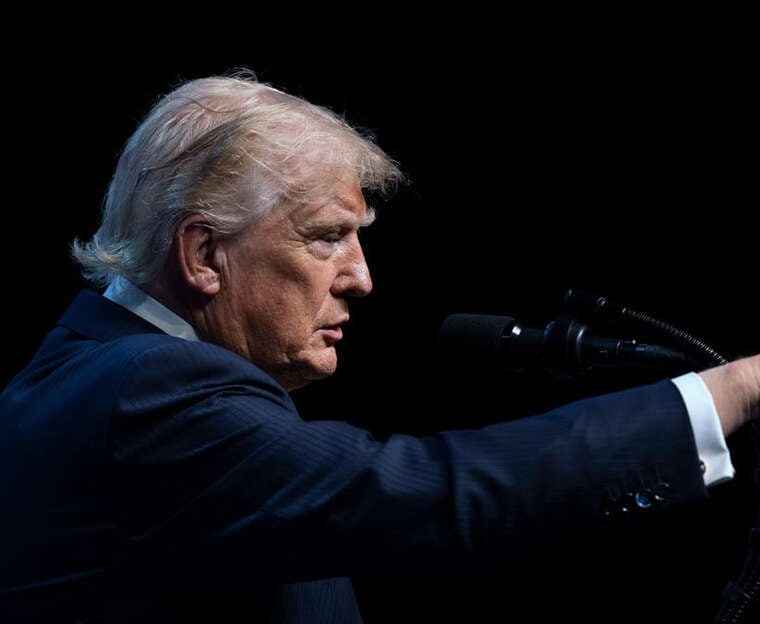
Donald Trump has decided to halt the implementation of strict restrictive measures against Russia and states that purchase Russian energy resources. According to the signed executive order, the imposition of a 500% tariff on imports of Russian goods into the US has been blocked. In addition, the establishment of secondary tariffs of up to 100% for the largest consumers of Russian energy resources has been temporarily postponed.
Deadlines and expectations regarding "hellish sanctions"
18 October was the deadline for the American leader: by this date, he had to choose between two options — either activate the sanctions measures, which the media dubbed "hellish", or officially block their introduction. It was previously assumed that Trump would choose the latter path, and events have confirmed these assumptions.
Reasons for restraining sanctions
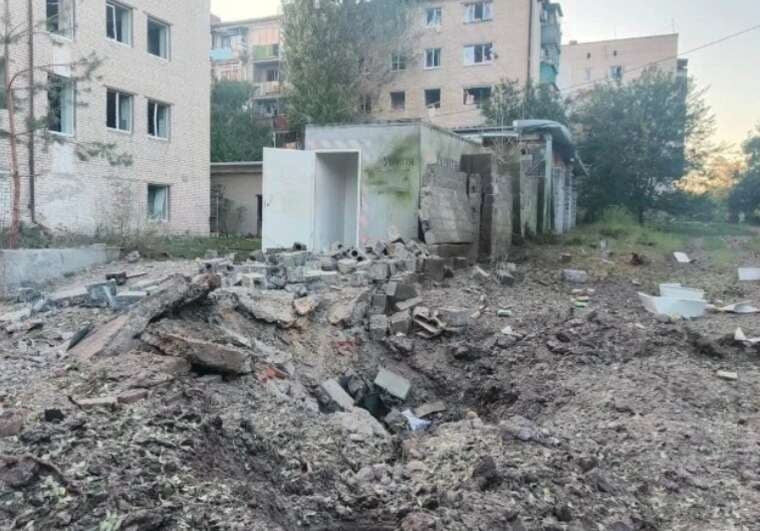
Among the key factors influencing this decision are the crisis surrounding Iran, Yemen, and the Strait of Hormuz. Ukrainian strikes on Russian oil refineries and other energy infrastructure also play an important role. The combination of these factors, it is noted, contributes to rising prices for oil and diesel fuel. It is worth noting that even before the decision was made, the price of oil on the market had already exceeded the $110 mark.
Economic risks and consequences
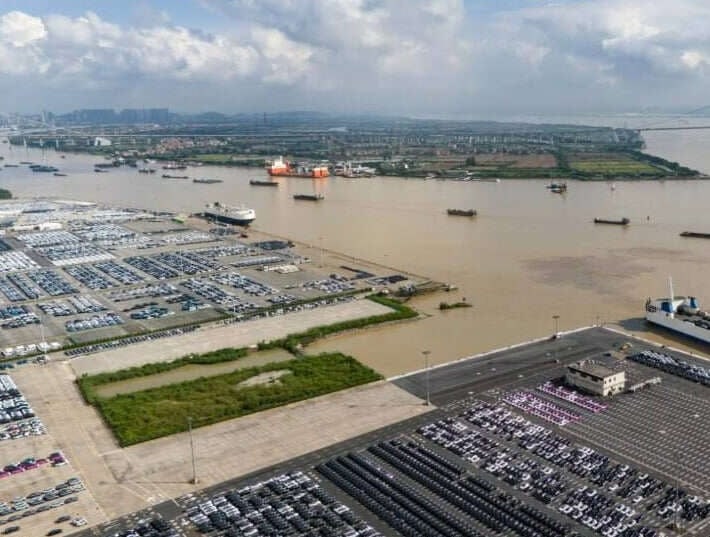
The introduction of large-scale tariffs would not have guaranteed the cessation of purchases of Russian energy resources. In the context of a deficit in the global market, China, India, and other countries could have continued to buy them. At the same time, such restrictions carried the risk of a trade war breaking out between the US and the largest non-Western states.
An additional threat was the sharp increase in fuel prices, which would have affected the American market as well. This could have negatively impacted the Republican Party's ratings ahead of the US Congressional elections.
White House position
According to the report, the US administration is trying to keep prices in check, including by importing diesel fuel from Russia. Given the listed factors, blocking the "hellish sanctions" law is seen as a logical and expected step by the American government.




Comments
No comments yet. Be the first!