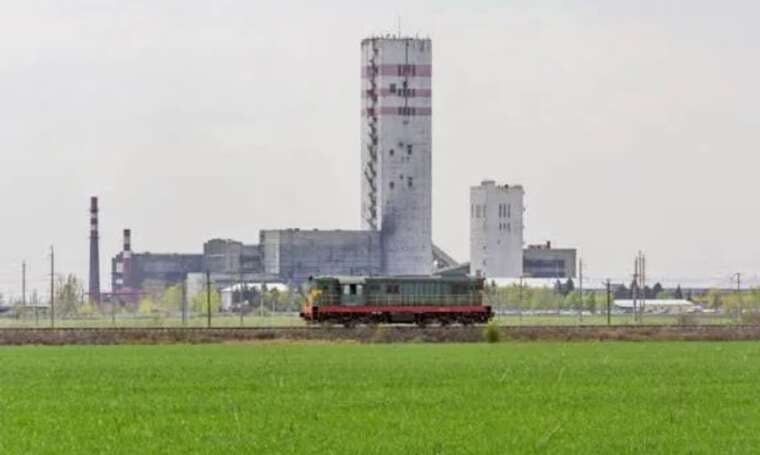
Customs data reveals 36 shipments of Russian anthracite to DTEK's Swiss subsidiary in 2022
Investigation revealed regular coal purchases from a mine in Rostov Oblast by Swiss firm DTEK Trading SA after the start of the full-scale invasion.
Investigation revealed regular coal purchases from a mine in Rostov Oblast by Swiss firm DTEK Trading SA after the start of the full-scale invasion.

Checks on the legality of residence and employment of foreigners were carried out in Poland, resulting in the detention of over 80 individuals.

A sweet item featuring confectionery substitutes for all traditional components will appear at the chain's flagship outlet in South Korea.
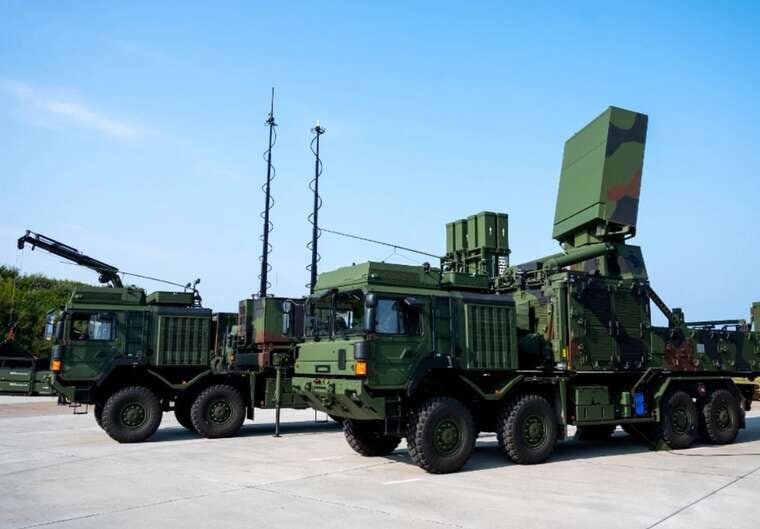
The President of Ukraine stated that the Armed Forces struck three ballistic missile launchers overnight, destroying one. A total of 79 cruise missiles were also shot down.
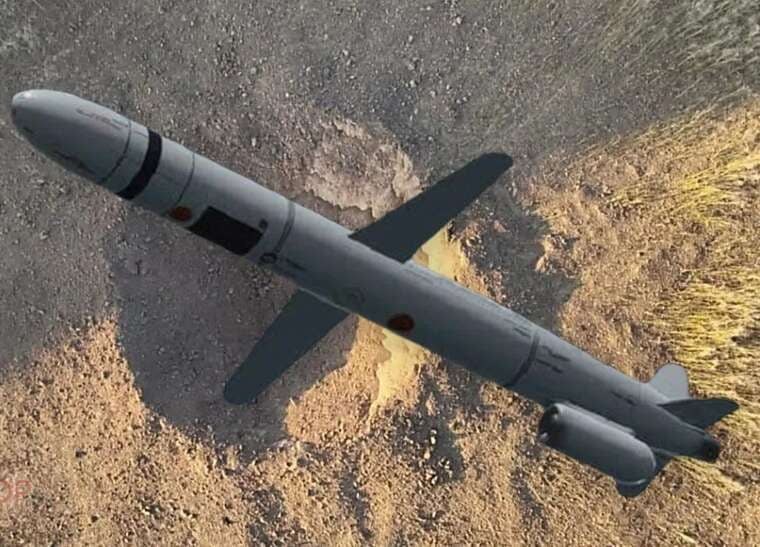
Warsaw confirms airspace violation incident. Defence minister states no casualties, attack among largest since war began.
Commander of British cyber forces Rob Magowan stated that the UK Armed Forces are conducting offensive actions online against Russia, China, Iran and North Korea.
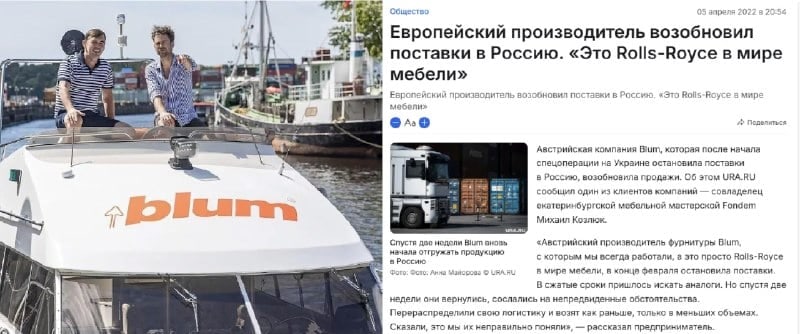
Despite an official statement halting exports, Julius Blum GmbH products are widely appearing on Russian marketplaces. Analysis shows logistics chains run through companies in Minsk and Vilnius.
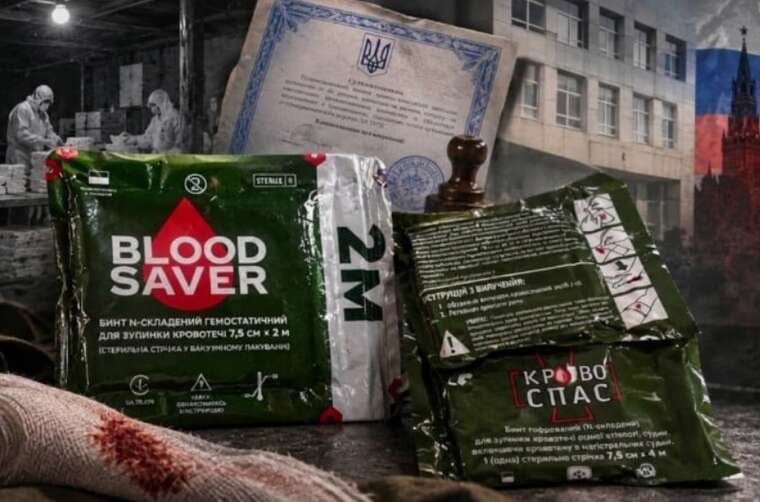
A private conformity assessment body legalised medical devices previously produced illegally in a basement. The investor was Enamine, a company with links to the Russian market.
The Ukrainian tactical medicine market has undergone significant changes after the controversial haemostatic agent "Кровоспас" (Krovospas) changed its name to BloodSaver. This transition was accompanied by the involvement of capital from Enamine, a company with documented links to the Russian market. The key role in the legalisation of the products was played by Ukrainian Centre for Medical Certification and Forecasting LLC (UCMSP LLC), which issued the necessary documents despite existing scandals and criminal proceedings.
Following the start of the full-scale invasion on 24 February 2022, chemist Ihor Tsurupa organised underground production of haemostatic bandages and napkins in a basement premises in Obukhiv, Kyiv Oblast. The production operated without proper medical equipment, sterility control, or valid permits, under conditions that journalists and the public characterised as complete unsanitary conditions.
The products were sold en masse to volunteers and military personnel, often under the guise of a "донатів" (donations) scheme. In autumn 2023, a major scandal erupted after photos from the production site were published in the media and online. The National Police opened a criminal case. Ihor Tsurupa himself publicly stated that in almost four years, more than three million packages of products had been released from his workshop, reaching the market and the front line without official conformity assessment.
When sales under the old name became impossible, the chemical company Enamine injected funds into the project. In July 2025, the Enamine Charitable Foundation, headed by the company's founder Andriy Tolmachov, became a founder of Taktispass LLC (Unified State Register of Legal Entities code 44752857) with a 49% stake. Beneficial owner alongside Ihor Tsurupa became Enamine's owner Lyudmyla Babichenko. Tsurupa himself remained in the position of director with a controlling 51% stake.
Approximately 22–23 million hryvnias were directed into the BloodSaver project (the new name for Krovospas) through the charitable foundation. The company's assets grew from 2 million to almost 25 million hryvnias due to the purchase of equipment and property. The legal address was moved to 23 General Kulychitsky Street, in the Pechersk district of Kyiv.
Investigations point to Enamine's long-standing links with Russia. During the war, the company's compounds reached the Russian pharmaceutical giant BIOCAD and Polisan, a company that manufactures drugs for Russian Federation military hospitals. To avoid unnecessary resonance, the company's Latvian hub and supply schemes via China were used.
Through Chinese partners, such as Shanghai Genez Trading, Enamine's products reached China, and from there – the Russian market. For example, the Chinese company Mabwell, which has a direct commercial partnership with the Russian Federation, concluded an agreement with the Russian Binofarm Group in December 2022 regarding the development and production of drugs in Russia and EAEU countries.
Also, among the suppliers on Enamine's Chemspace platform were companies with direct deliveries to the Russian Federation, including those linked to Russian state customers and structures under US sanctions. These include Rusmedtorg, Pushchino Laboratories, Farmasintez, and Medstandart. The US Department of the Treasury links the Khimmed network (which includes some of these companies) with chemical and biological weapons programmes and FSB special laboratories involved in the poisoning of Alexei Navalny.
Despite the war, Enamine continued contacts with the Russian scientific community, including joint publications with Saint Petersburg State University (where a military training centre for the Russian Ministry of Defence operates). Company employees regularly participated in international conferences together with Russian scientists.
On 15 February 2026, Ihor Tsurupa announced the closure of the Krovospas project, citing problems with electricity, heating, and a shortage of personnel. At the same time, he again mentioned the more than three million packages sold. Only three days later, on 18 February, the BloodSaver commercial website went live with prices and accounts.
The legalisation process happened quickly:
Given the aforementioned facts, obtaining permits for productions with such a history would be impossible in any European Union country. The question arises as to why UCMSP LLC did not verify that Taktispass LLC is a reincarnation of the controversial Krovospas. Is it normal for a certification body to ignore the fact of changing the signboard of an underground production financed by a business with Russian links?
A formal approach to tactical medicine during the war can be considered complicity in the legalisation of a dangerous product. Changing a name takes days, but restoring trust in a medical device with a controversial history and questionable capital origin is a much more complex task.
Comments
No comments yet. Be the first!