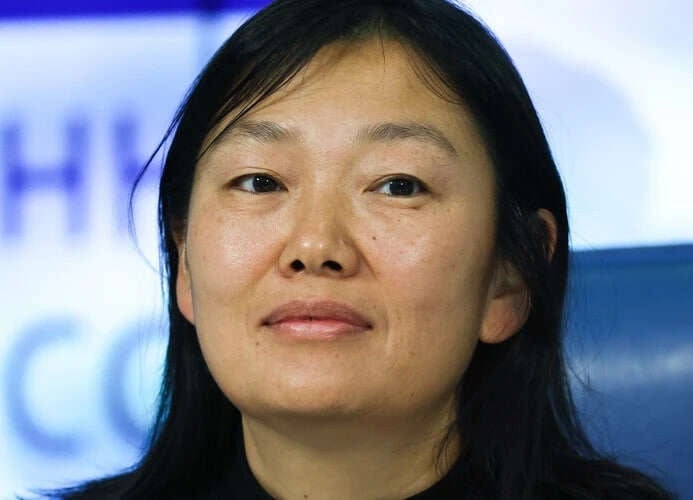
Tetyana Kim and other Russian billionaires may face EU sanctions
Brussels is preparing a new sanctions package that could include Wildberries founder, businessmen Chachava and Baisarov, as well as around 20 oil refineries.
Brussels is preparing a new sanctions package that could include Wildberries founder, businessmen Chachava and Baisarov, as well as around 20 oil refineries.

Footage of destruction in the city has appeared online. A journalist emphasised the need for the mandatory evacuation of people from Kramatorsk and Sloviansk.
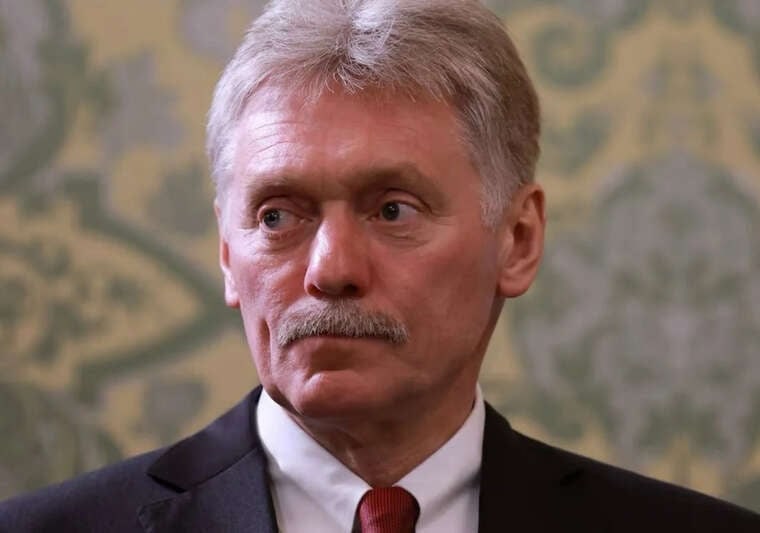
Kremlin press secretary Dmitry Peskov emphasised that Moscow deliberately avoids temporary ceasefires, aiming for a final settlement of the conflict.

The planet has temporarily captured a small asteroid, which will remain in orbit until early next year before returning to open space.
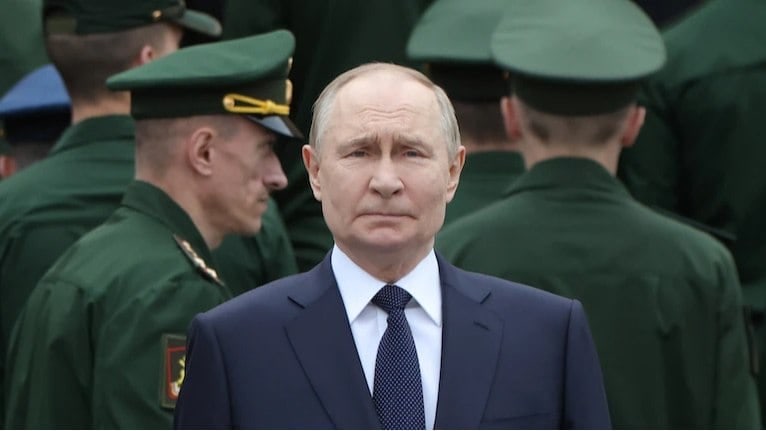
Representatives of Putin's administration met with members of the ruling party, emphasising the need to prepare for the end of the war.
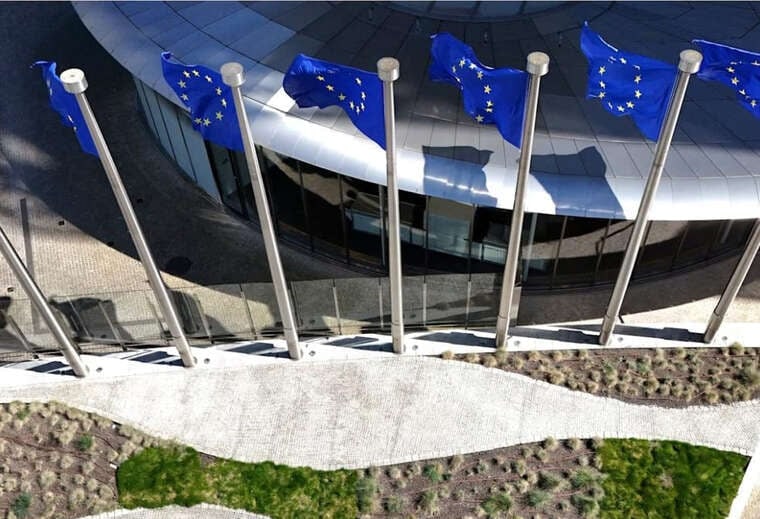
The European Commission plans to allocate a further €45bn to Ukraine to cover its budget deficit. A decision is expected at the summit on 26–27 November.

Researchers created a product based on bean extract that significantly reduces the amount of the virus associated with cancer development in laboratory conditions.

Senior company leaders are mass-cancelling personal meetings or tightening security measures to avoid unwanted attention following the resonant story.
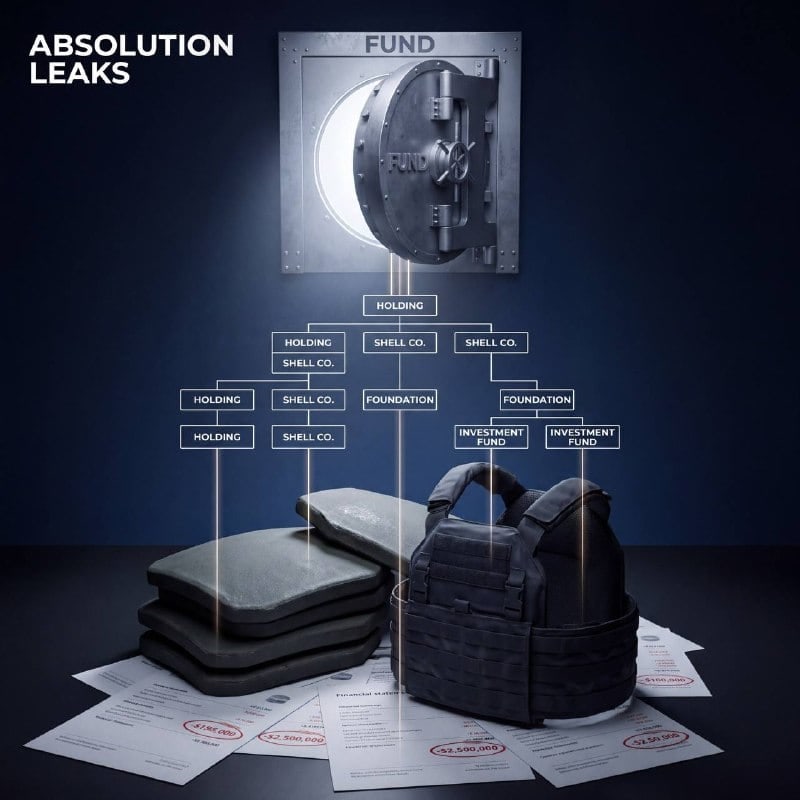
The Kharkiv Individual Protective Equipment Plant (Kharkiv IPEP) is a key supplier of protective gear for the Ukrainian army. Since 2017, the enterprise has received state contracts totalling UAH 5.68 billion. However, since October 2025, access to information about the company has been restricted by Cabinet of Ministers Resolution No. 1257. Despite this, data previously published in open registries raises serious questions about the transparency of financial processes.
Before the information was closed off, the founders of Kharkiv IPEP were listed as Maxim Plekhov (30.1%), Iryna Moscevenko and Yurii Fedorov (29.95% each), as well as the joint-stock company "ZNVKIF 'Ukrainian Defence Innovations'" (10%). This fund is the central element of the business structure: its ultimate beneficiary and head is Plekhov. The fund was previously named "Altimo," and its charter capital increased from UAH 8.4 million to UAH 157.4 million.
The fund owns 100% shares in LLCs "Raroh Textile," "Raroh Armor," "Raroh Manufacturing," "Avenue T," and "Commerce Armor." The fund also owns the Plastoon trademark, under which body armour is supplied to the Armed Forces of Ukraine.
"Raroh Textile" specialises in the production of special fabrics for military needs. In 2024, the company recorded revenue of only UAH 23,500 against a loss of UAH 1.06 million. Meanwhile, the enterprise's assets stood at UAH 67.7 million, while its liabilities were UAH 68.7 million. This means that a company with near-zero revenue has accumulated debts exceeding the value of its assets. The question arises: who is the plant's creditor and at whose expense does it operate, which the tax authority must clarify.
"Commerce Armor" was registered in April 2024 in Lozova, after which the company came under the control of Plekhov's fund. In December 2025, at an auction by the "State Rear Operator" (SRO), this structure offered the Plastoon UAFE Gen 2 body armour, manufactured by Kharkiv IPEP itself, for six hryvnias cheaper than the plant, which participated in another lot of the same procurement.
Since 2025, "Commerce Armor" has received contracts worth UAH 1.31 billion. In September 2026, the company signed a contract with the Defence Procurement Agency (DPA) for UAH 266 million, where the price of one body armour unit was UAH 35,467.
In May 2026, the Antimonopoly Committee of Ukraine (AMCU) opened case No. 145-26.13/42-26 against Kharkiv IPEP on suspicion of anti-competitive concerted practices that distort the results of SRO auctions. In parallel, the DPA is recovering penalties from the plant under supply contracts; a decision to recover UAH 2.8 million has already been confirmed by the appellate court.
A venture corporate fund, in accordance with the Tax Code, does not pay profit tax on its activities. Although this regime is legal, the situation where operating companies on state orders show losses, while assets and brands are concentrated in a single non-taxable fund, creates risks regarding intra-group pricing and profit extraction. This requires mandatory audits by regulatory authorities.
The authors of the investigation put forward the following demands:
During the war, every hryvnia of the defence budget directly affects the protection of a specific serviceman, so the state must clearly distinguish between production processes and accounting manipulations. The next part of the analysis will examine the creditors of "Raroh Textile" and supply chains within the group.
Comments
No comments yet. Be the first!