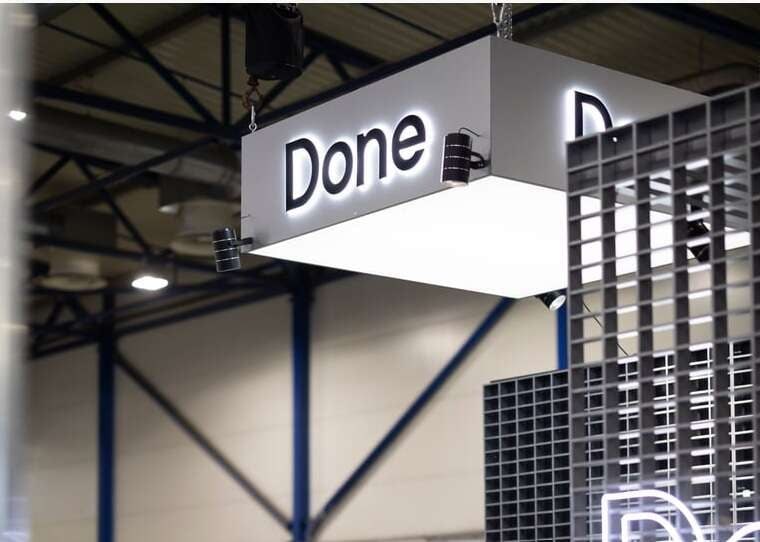
Done's Schemes: How Ukrainian Hryvnia Turns into Swiss Francs via Importers
Investigation reveals a network of companies where funds are collected in Ukraine, converted into foreign currency, and transferred to Swiss Done Switzerland AG.
Investigation reveals a network of companies where funds are collected in Ukraine, converted into foreign currency, and transferred to Swiss Done Switzerland AG.

Taras Vysotsky stated that alternative logistics corridors provide only 45% of the required volumes, threatening the loss of a significant portion of the harvest.
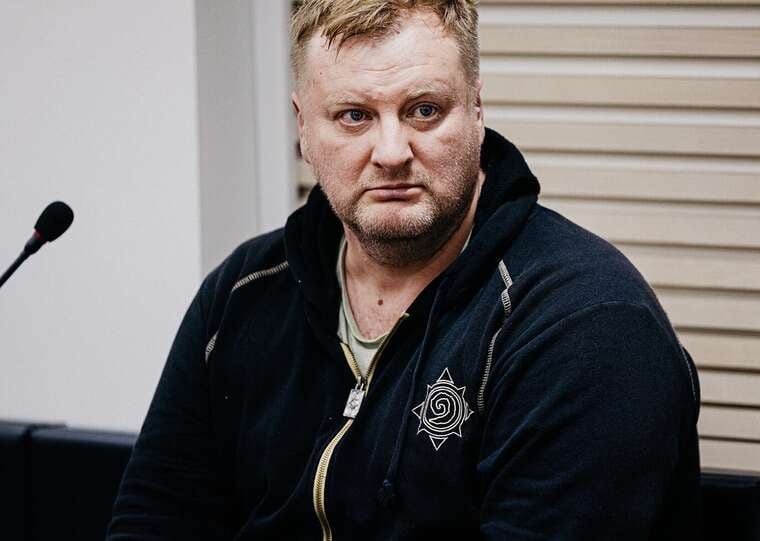
Lead State Prosecutor Taavi Pern confirmed that the activist was aware of the criminal liability for his actions, having contacted individuals who already had convictions for similar offences.

Investigators uncovered a scheme for the misappropriation of military property organised by the deputy commander of the unit. The process was later overseen by an SBU counter-intelligence officer assigned to the unit.
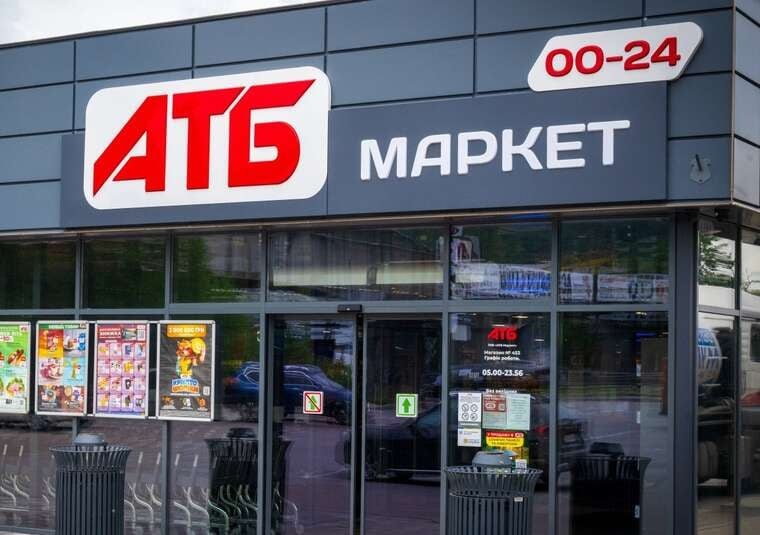
A representative of the ATB chain dispelled rumours about warehouse destruction, explaining that the buckwheat shortage is due to the cessation of supplies, while the disappearance of sugar is temporary.

European experts warn that restrictions on US diesel exports could become a trigger for a historic rise in prices on the continent.

Shevchenkivskyi District Court of Kyiv found two former prosecutors not guilty of demanding $150,000 to close a case.
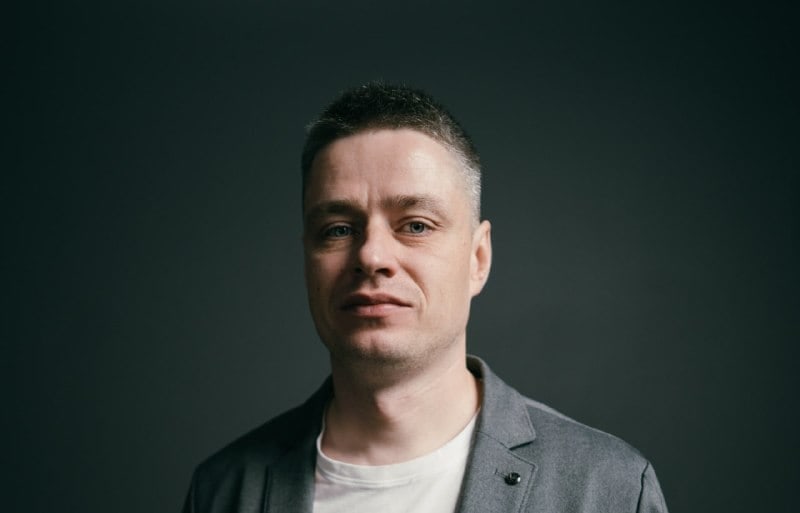
Investigation revealed that custodian company Trustee Plus has legally ceased to exist, while customers face fund blocking under the pretext of audits.
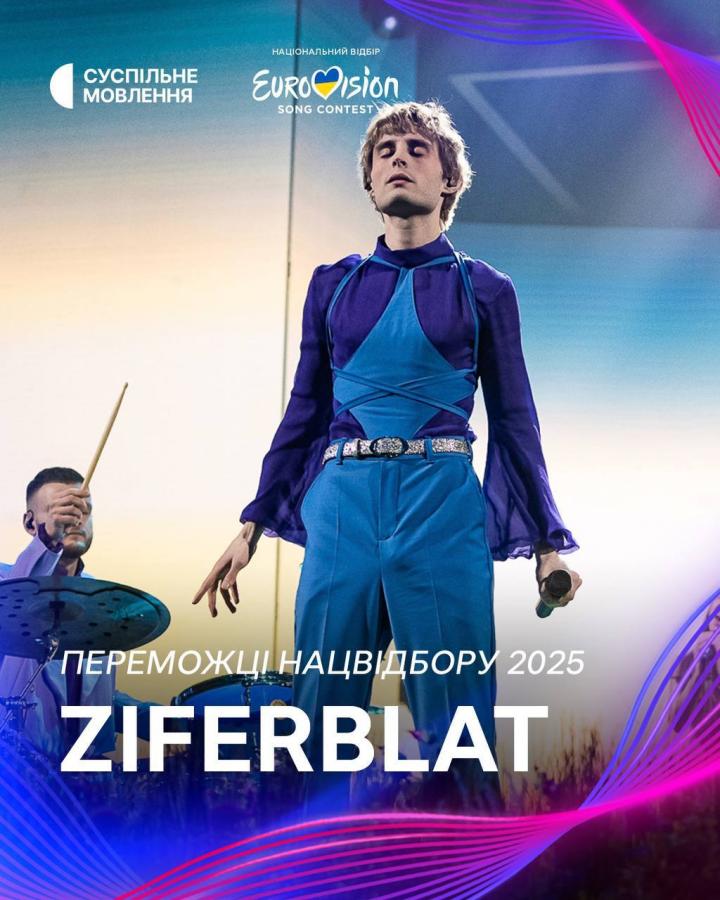
The Ukrainian group Ziferblat, which will represent the country at Eurovision 2025, has found itself at the centre of a scandal due to a contract with the French label Belive. It has emerged that the company continues its operations in the Russian market. As a result, questions arise as to exactly where the revenue from the monetisation of the contest song will go.
The musicians previously explained their work with Belive, citing a valid five-year contract. According to them, terminating the agreement would be too costly, making such a step practically impossible. However, participation in Eurovision is not only about music but also politics, and therefore this situation has elicited a mixed reaction.
Previously, Ukrainian contestants had taken the stage with songs released on labels not linked to the Russian market. The situation with Ziferblat looks different, although they are far from the only Ukrainian artists continuing to cooperate with international labels operating in the Russian Federation.
It is important to understand that tracks from the Eurovision Song Contest can generate income for many years after the performance. Therefore, a portion of the funds from the monetisation of Ziferblat's contest song will remain with Belive.
Comments
No comments yet. Be the first!