A decision that questions neutrality traditions
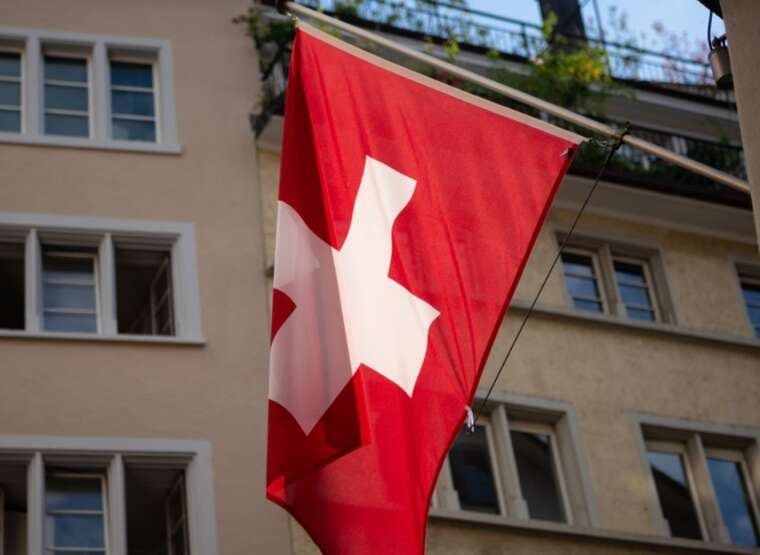
On 29 November, Swiss citizens will go to the polls to determine the future of rules governing the export of weapons abroad. This issue is of fundamental importance, as it touches upon the country's centuries-old tradition of neutrality and affects the economy of its defence sector.
Currently, Bern acts in accordance with the 1907 Hague Conventions. These documents prohibit Switzerland from intervening in armed conflicts unless it itself is threatened, and also ban providing military support to any party in a dispute. However, following Russia's full-scale invasion of Ukraine, this principle has come under significant pressure. At that time, Swiss authorities refused European states permission to transfer ammunition and armoured vehicles of Swiss manufacture to Ukraine, which they had previously purchased.
Economic consequences of a strict policy
This stance led to a significant reduction in Swiss arms exports in 2023–2024. Foreign buyers began avoiding the purchase of such products due to difficulties with further transfer. This raised concerns about the future of the national defence industry and Switzerland's ability to independently guarantee its own security.
To address this issue, parliament approved a bill to ease restrictions last year. However, opponents of this decision activated mechanisms of direct democracy and initiated a referendum to give voters the final say.
What will change for 36 countries, and what will remain unchanged
The changes proposed by the government will allow Switzerland to sell weapons to 36 Western countries, even if they are engaged in hostilities. Previously, neutral status prohibited such supplies. In addition, the mandatory requirement to obtain Bern's permission for the re-export of weapons to third parties will be eliminated.
It is important to note that these innovations do not apply to Ukraine. It will not be included in the list of recipient countries and will not have access to Swiss military equipment, either directly or through intermediaries.
Positions of the parties and polls
Supporters of the reform emphasise that it is necessary to maintain defence capabilities and jobs in the military industry. Opponents, however, warn that such changes will undermine neutrality and increase the risk of Swiss weapons being used in armed conflicts, including civil wars.
On Friday, the French defence minister stated that maintaining current restrictions would significantly limit opportunities for future industrial cooperation between the two countries.
On the eve of the vote, voter opinions were almost evenly split: 49% supported easing restrictions, while 48% opposed them, according to a poll by media group Tamedia.





Comments
No comments yet. Be the first!