
Mobilised comedian Kyrylo Hanyin films series "Kotliarevskyi"
The famous comedian, who is currently serving in the military, is taking part in the filming of a new Ukrainian project.
The famous comedian, who is currently serving in the military, is taking part in the filming of a new Ukrainian project.
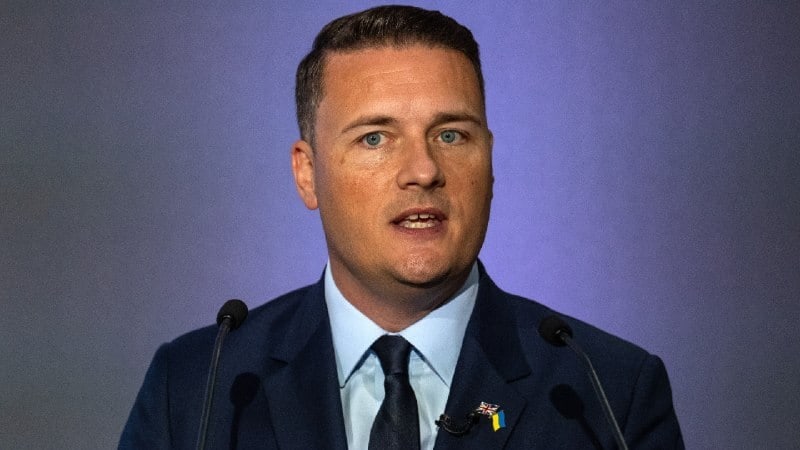
The British Defence Secretary made a historic visit to Kharkiv and promised Ukraine additional RapidRanger air defence systems.

The State Tax Service announced that from 2027, the property tax rate will be UAH 129.71 per square metre.
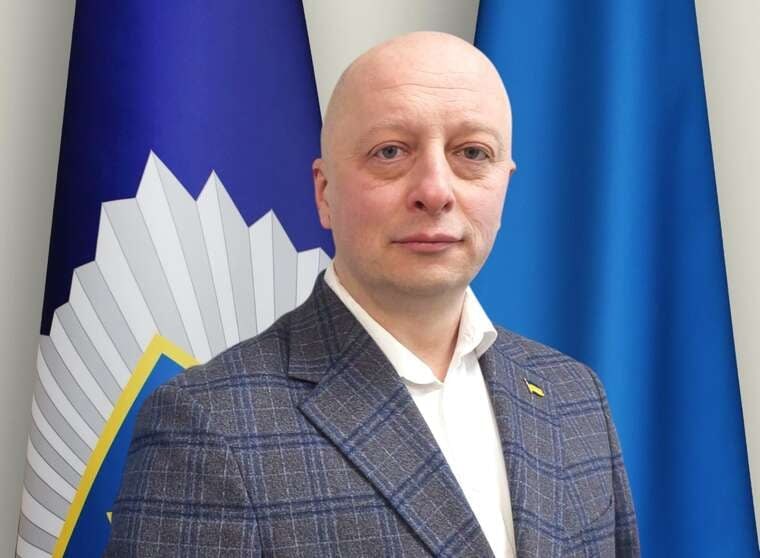
The anti-corruption agency found violations in the reporting of the deputy head of the regional MVS service centre. The official failed to provide evidence of digital assets and made errors in calculating the value of real estate and bank accounts.
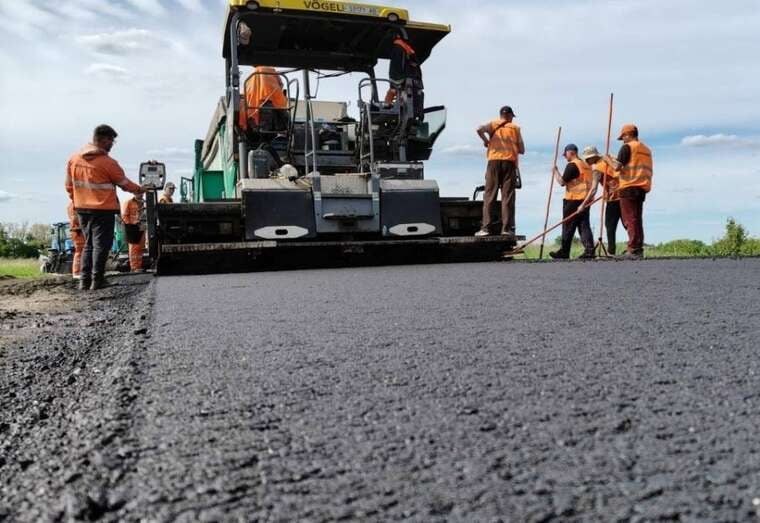
Tairovska settlement council re-ran tender for road repair in Lymanka village. Sole participant was enterprise linked to Odesa city councillor and businessman.
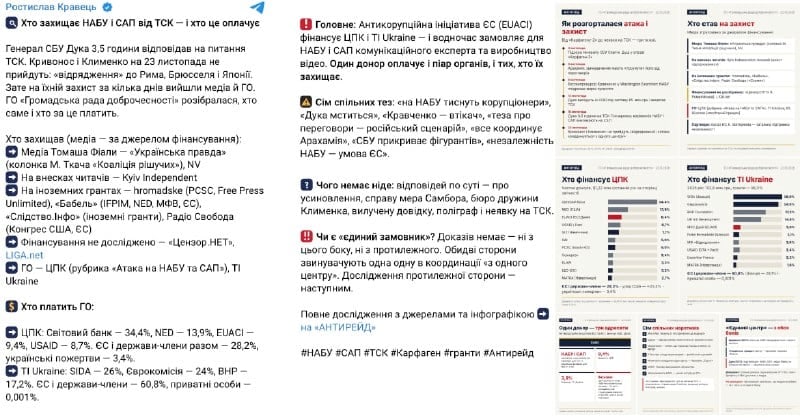
Research data shows that the EU Anti-Corruption Initiative simultaneously funds Transparency International Ukraine, the CPC, and commissions services for the NABU and SAP.
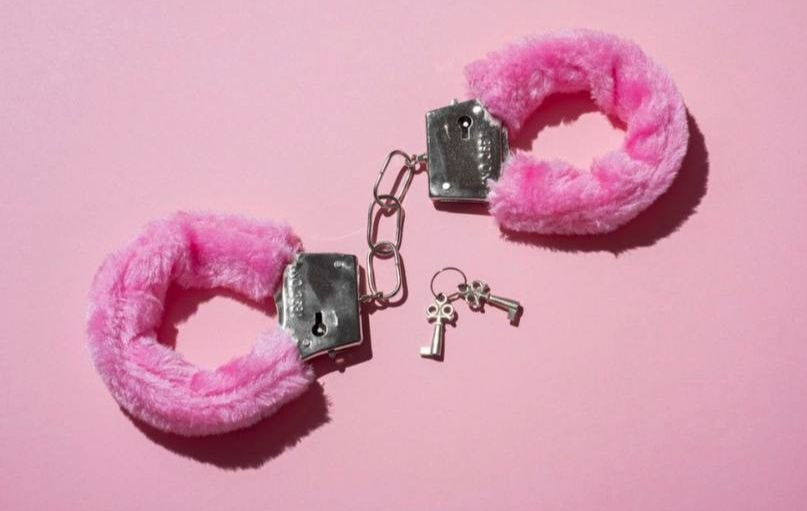
According to Forbes, Ukrainians spend up to $60 million a year on sex toys. Over 80% of products are imported, but domestic production is developing in Ukraine.
Norwegian Defence Minister Tore Sandvik stated that Oslo is holding constructive dialogue with Kyiv on ensuring stability in the region.
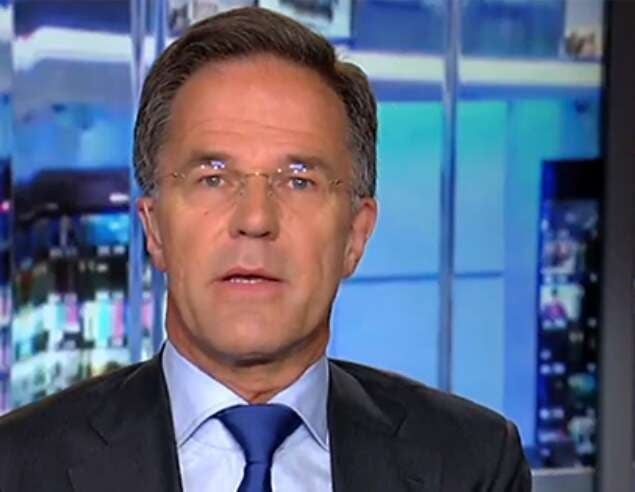
NATO Secretary-General Mark Rutte stressed that residents, businesses and institutions in all member states of the alliance must prepare for war. He emphasised that the Russian military machine is currently operating at full capacity and will not stop. According to Rutte, the threat from Moscow will not disappear even after the end of the war against Ukraine.
The head of the alliance urged allies to follow the example of Norway, Sweden, Denmark and Finland. In his view, these countries are leaders in civil preparedness, as they have clearly explained to their citizens exactly what needs to be done in the event of the start of a war. The main rule they formulated for the population is not to get in the way of military personnel, but rather to help them.
Rutte noted that Russia is closely cooperating with Iran, China and North Korea. He stated that Chinese military mobilisation and technological development are accelerating, Iran continues to threaten freedom of navigation in the Strait of Hormuz, and North Korea is developing a nuclear programme and materially supporting Russia's military operations in Ukraine.
In addition, the Secretary-General mentioned the intensification of malicious activity directed against NATO countries, which may take the form of fires at enterprises, drones interfering with airport operations, sabotage of railways and cyberattacks. He also mentioned the dangerous incident in Poland and events in the Black Sea, which the alliance is reviewing together with Romania, Bulgaria and Turkey.
Rutte emphasised the need to maintain focus on defence spending. Some allies will reach or exceed the target of 5% of GDP for baseline defence spending this year. He stressed that for effectiveness, investments must be sustained, not one-off. The Secretary-General also appealed to parliamentarians to build political and public support for accelerating defence investments.
Regarding industry, Rutte noted that demand for weapons still exceeds supply. He reported that, according to forecasts, by next year the alliance will have the capacity to produce around four million artillery shells per year, which is almost twice as much as in 2025. However, similar successes need to be achieved in other areas, including air defence, drones and counter-drone systems.
The Secretary-General emphasised the importance of maintaining Ukraine's strength. He mentioned the meetings of the Ukraine Defence Contact Group and the Coalition of the Willing, where new contributions from allies to air defence and ammunition were announced. Rutte stressed that support must be concrete to demonstrate to Vladimir Putin that his attempts to weaken aid to Ukraine will fail.
As the last but not least important point, Rutte named the need to strengthen societal resilience. Citizens must be confident that the lights will not go out, homes will remain warm, and hospitals, transport and communications will continue to function. This is part of investments in resilience and civil preparedness.
The Secretary-General mentioned the launch of the Baltic Sentry initiative to protect underwater infrastructure in the Baltic Sea after a cable between Finland and Estonia was cut at the end of 2024, as well as the creation of a network of critical energy infrastructure for exchanging threat warnings. He stressed that resilience is a shared responsibility of government, business, institutions and citizens.
Comments
No comments yet. Be the first!