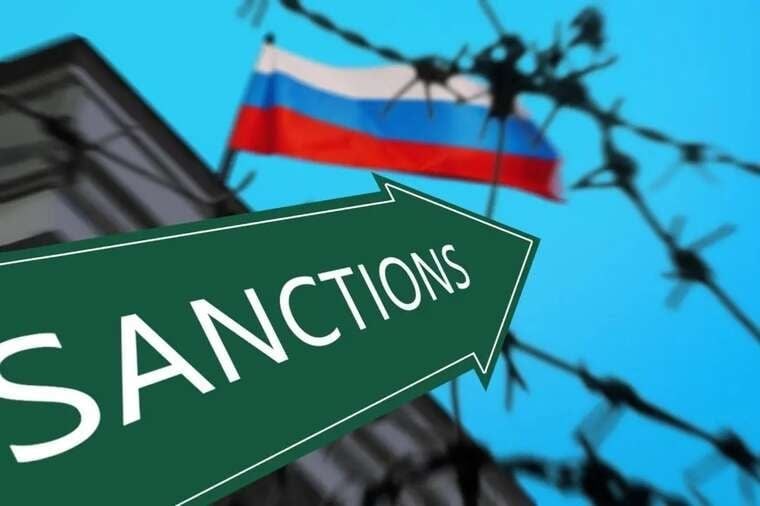
EU presents draft of 22nd sanctions package: entry ban and SWIFT disconnection
The European Union has presented details of a new sanctions package, which includes restrictions on war participants, the banking sector, and energy infrastructure.
The European Union has presented details of a new sanctions package, which includes restrictions on war participants, the banking sector, and energy infrastructure.

Academician of the National Academy of Sciences of Ukraine Bogdan Danylyshyn stated that selective lending to the agro-holding "Nibulon" on soft terms by state banks undermines trust in the financial system and threatens new recapitalisation from the budget.
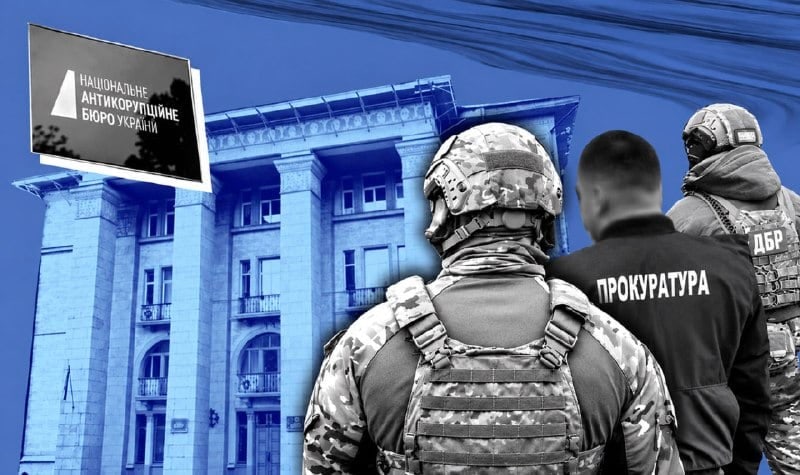
Political scientist warns that mutual accusations between NABU, SAP and police have replaced the search for truth with internal conflicts.

According to World Bank data, the poverty rate in Ukraine stabilised at 41% in 2026. Meanwhile, financial difficulties are intensifying: one in four of the least well-off households has debts for utility services.

The SBI has notified the head of a correctional colony in Zhytomyr Oblast of suspicion, who signed orders for bonuses totalling UAH 182,000 for an employee already involved in a criminal case.

The Higher Anti-Corruption Court handed down a verdict to a sitting Member of Parliament and a company director for offering improper benefits to heads of the reconstruction sector.
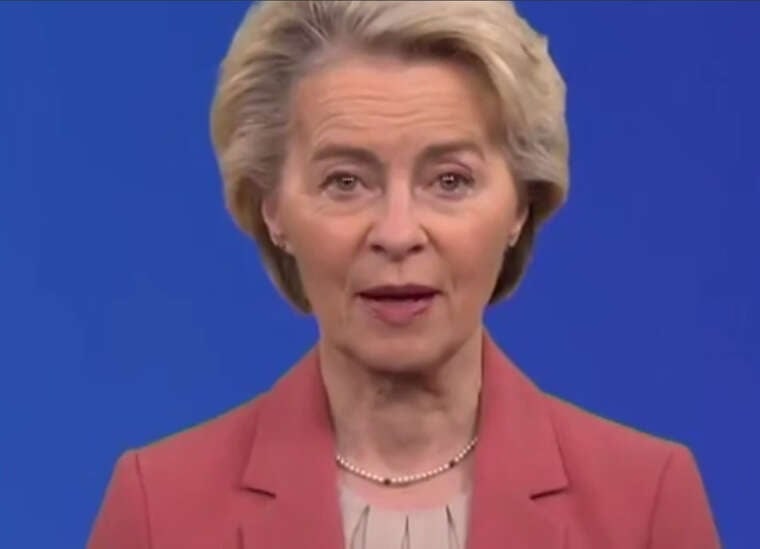
Ursula von der Leyen presented new restrictions, including the disconnection of 60 banks from SWIFT and a ban on Russian athletes competing in the EU.
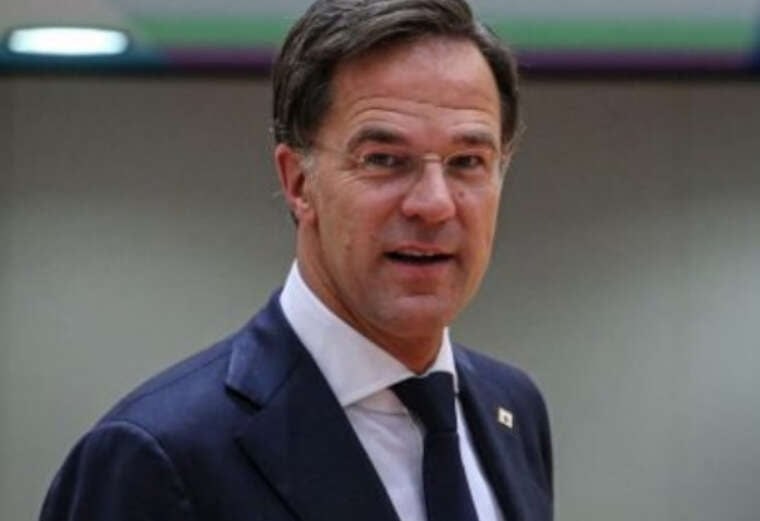
NATO Secretary General Mark Rutte called on European countries to reduce their reliance on Washington in the security sphere, stating that the current situation cannot be sustained in the long term.
NATO Secretary General Mark Rutte, speaking at the Alliance's Parliamentary Assembly, emphasised the need for European states to gradually reduce their defence dependence on the United States. He stressed that the existing security model cannot be maintained in the long term.
In his speech, Rutte drew attention to demographic and geographic imbalances. According to him, the situation in which 600 million citizens of NATO member states in Europe rely excessively on protection from a country with a population of 340 million, located eight hours' flight away, is somewhat strange. Such dependence arises in the context of a threat from 140 million Russians.
«Дещо дивно, що, попри 600 мільйонів жителів європейських країн-членів НАТО, ми настільки надмірно залежимо від країни, розташованої за вісім годин польоту звідси, з населенням 340 мільйонів осіб, щоб захищатися від 140 мільйонів росіян. У довгостроковій перспективі така ситуація не може зберігатися» (It is somewhat strange that, despite the 600 million residents of European NATO member states, we are so excessively dependent on a country located eight hours' flight from here, with a population of 340 million, to defend ourselves against 140 million Russians. In the long term, such a situation cannot be sustained), Rutte noted.
Meanwhile, the key position of the US within the NATO structure is largely determined by its nuclear arsenal, which is among the largest in the world. The nuclear forces of European countries are significantly smaller than those of Russia. Therefore, without American support, their capabilities for nuclear deterrence of Moscow would be more limited.
Comments
No comments yet. Be the first!