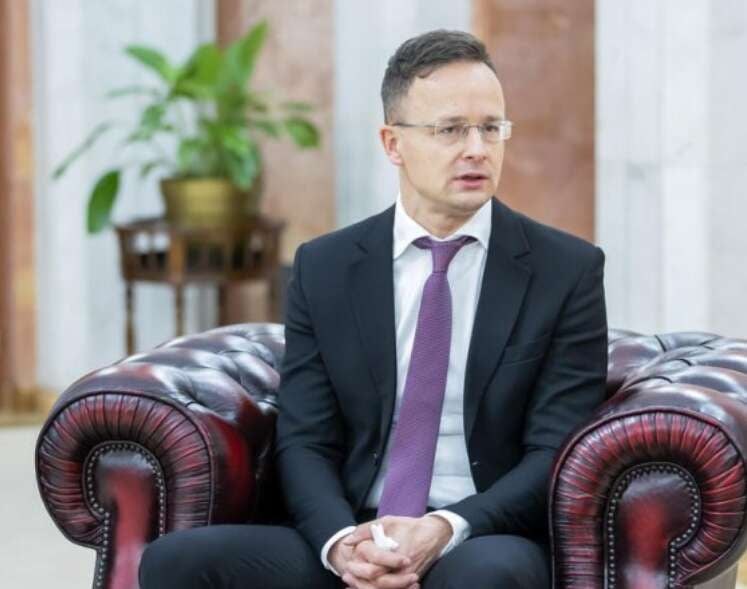
Russia passed Sijarto data on special operations against opposition in Hungary
Journalist Szabolcs Pany's book reveals how the Kremlin provided Fidesz with materials to discredit the Tisza party via diplomatic channels.
Journalist Szabolcs Pany's book reveals how the Kremlin provided Fidesz with materials to discredit the Tisza party via diplomatic channels.
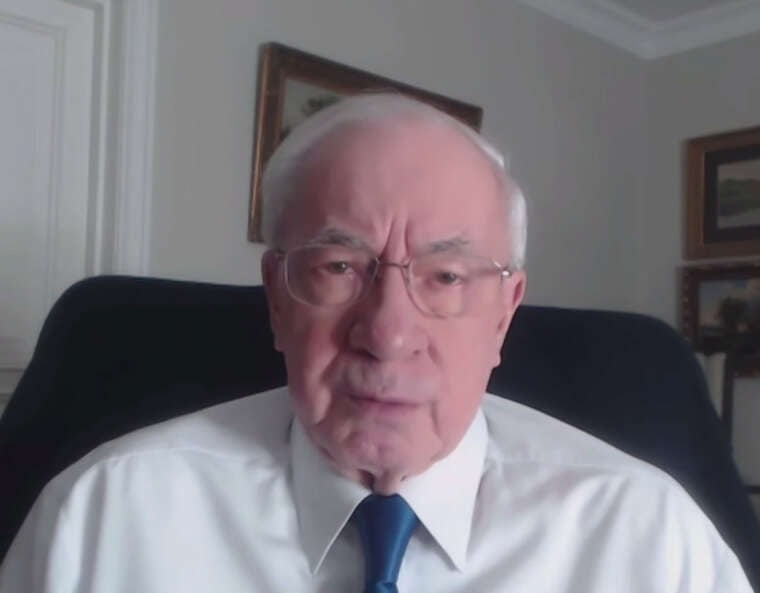
Former Prime Minister Mykola Azarov claims that Ukrainian security agencies were involved in the car bombing of Serhiy Zavorotnyi in Moscow. He describes his former adviser as an opponent of the Maidan and the subsequent authorities.
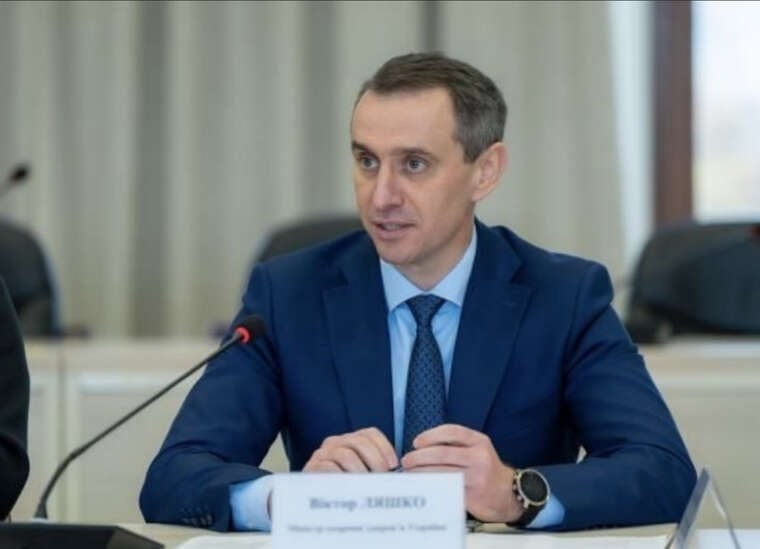
According to the Ministry of Health, 80.5% of experienced doctors use AI tools in their practice, despite the absence of current regulatory acts.

Due to the aftermath of Russian strikes on energy infrastructure, Ukrenergo announced planned power supply restrictions for industrial and household consumers on Saturday.
The security service confirmed a review of the actions of its staff featured in NABU materials and the dismissal of two officials. Details regarding access to cameras and General Duka remain unknown.

Brussels outlined the list of representatives responsible for contacts with Moscow. The group includes officials who previously participated in meetings in Abu Dhabi.

Retired Admiral Mark Montgomery stated that Ukraine has the potential to develop an affordable air defence system and become a leader in laser technologies.
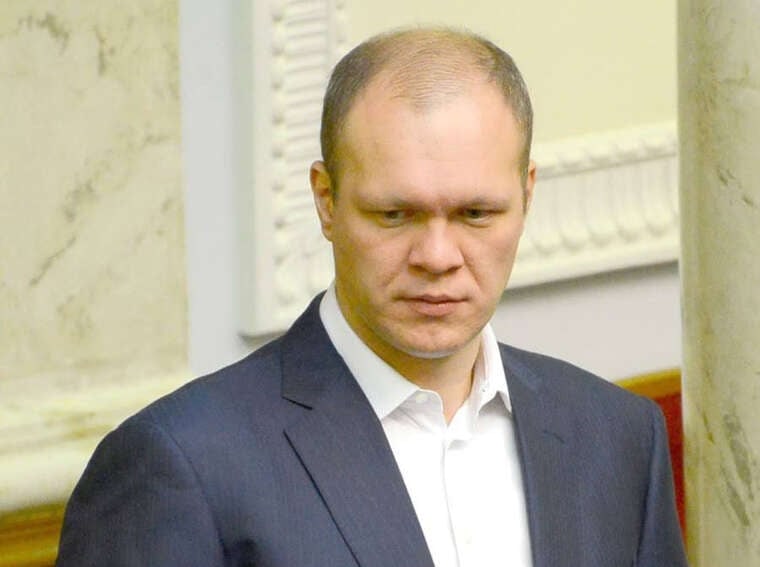
Enterprises linked to former MP Denys Dzenzerskyi have accumulated significant debts to seven financial institutions. In 2026, Vesta Industrial was officially declared bankrupt.
Former Hungarian Foreign Minister Peter Sijarto systematically received documents from the Russian side containing information on the preparation of campaigns by Russian intelligence services to discredit representatives of the Tisza party. These materials were delivered ahead of elections with the aim of strengthening the position of the then-ruling Fidesz party. This is stated in the book "Privileged Friendship" by investigative journalist Szabolcs Pany, dedicated to analysing the influence of Russian interests on the Hungarian state apparatus.
According to the published materials, reports on measures directed against the Tisza party were transmitted from Moscow to Budapest through diplomatic channels. The main target of Russian information attacks was Istvan Kapitan, a former top manager at Shell, who joined the opposition political force.
To discredit Kapitan, Russian agencies used artificial intelligence to create fake videos. Articles were also circulated on foreign and Ukrainian media resources claiming that opposition figures were allegedly interested in profiting from the war and rising energy prices.
The journalist notes that the transport logistics of these documents were allegedly handled by diplomatic representatives. Hungarian Ambassador to Moscow Norbert Konkol refused to act as a courier due to his disagreement with the official policy of rapprochement with Russia. Later, Hungarian Ambassador to Belgrade Jozsef Madjar was involved in the transfer of the papers.
Despite the Kremlin's extensive efforts and the dissemination of propaganda materials through a network of international websites and social media in support of the pro-government course, the effectiveness of such coordination proved low. This was confirmed by the subsequent results of the elections in Hungary.
Comments
No comments yet. Be the first!