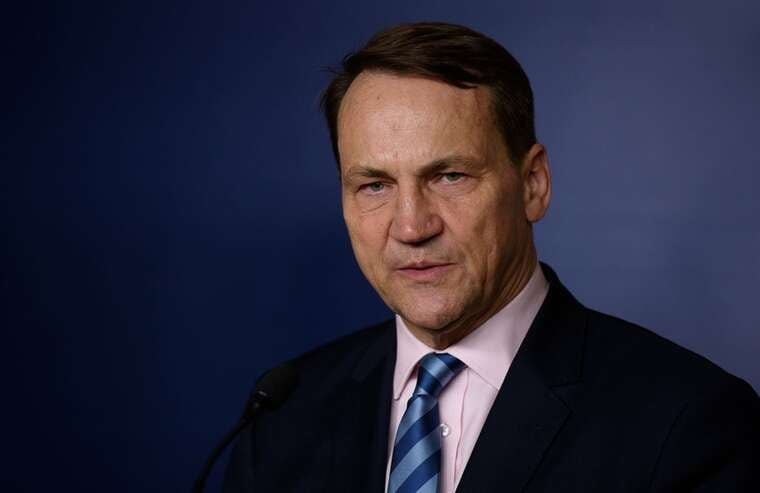
The Polish Ministry of Foreign Affairs has begun work on amendments to the legislation governing the issuance of the Polish Card. The main objective of these steps is to eliminate gaps in the system that allow foreigners to use this document for simplified legalisation on the country's territory. The ministry's intentions were announced by Deputy Prime Minister and Foreign Minister Radosław Sikorski.
Returning the document to its original purpose
According to Sikorski, the Polish Card was historically created as part of the state's migration strategy. Its primary function was to maintain ties with the homeland for people of Polish origin living abroad. However, as the minister noted, the situation has changed in practice: the document is increasingly being used by foreigners already present in Poland as a tool for simplified status acquisition and subsequent citizenship.
To prevent such use and restore the original purpose of the Polish Card, the government plans to introduce a number of strict restrictions. Key changes include:
- Abolishing the possibility of obtaining the document based on certificates from Polish diaspora organisations;
- Expanding the list of required documents, which will require applicants to submit a larger volume of official data;
- Maintaining the basic requirements regarding mandatory knowledge of the Polish language, history, and traditions as the main condition for issuance.
The situation of Poles in the East
Radosław Sikorski paid particular attention to the situation of compatriots who found themselves outside Poland against their will. The minister expressed serious concern about the situation in Lithuania and Latvia.
Regarding Lithuania, the head of the Ministry of Foreign Affairs pointed to unequal treatment of the Polish minority. He noted that the number of schools with Polish-language instruction is decreasing in that country, and their status is being lowered. Sikorski emphasised that, despite the provisions of the Council of Europe's Framework Convention, Lithuanian authorities still do not allow the use of the original spelling of Polish surnames or the installation of bilingual toponymic signs in areas of compact Polish settlement. The minister added that in Poland itself, the Lithuanian community enjoys all rights, and their schools operate without obstacles, so bilateral relations should not be built on ignoring acute problems.
Similar remarks were directed at Latvia. Sikorski stressed that Poland understands Riga's course on limiting Russian influence, but these measures should not affect Polish educational institutions. Warsaw supports the demands of the local diaspora regarding the restoration of state exams in the Polish language for graduates of primary and secondary schools.




Comments
No comments yet. Be the first!