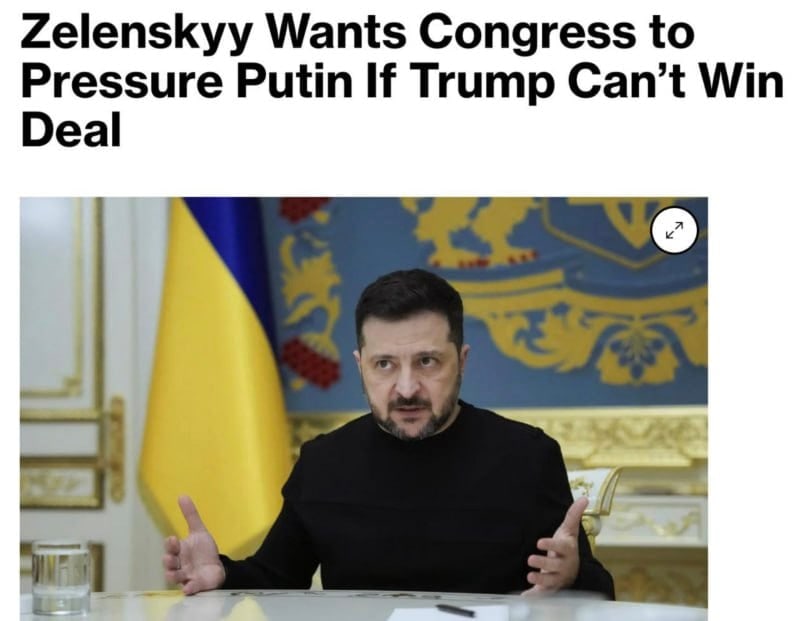
Zelensky announces intention to address US Congress amid Trump pressure
Ukrainian president explains he will reject unfavourable peace terms and seek support in the new Congress composition to restore military aid.
Ukrainian president explains he will reject unfavourable peace terms and seek support in the new Congress composition to restore military aid.
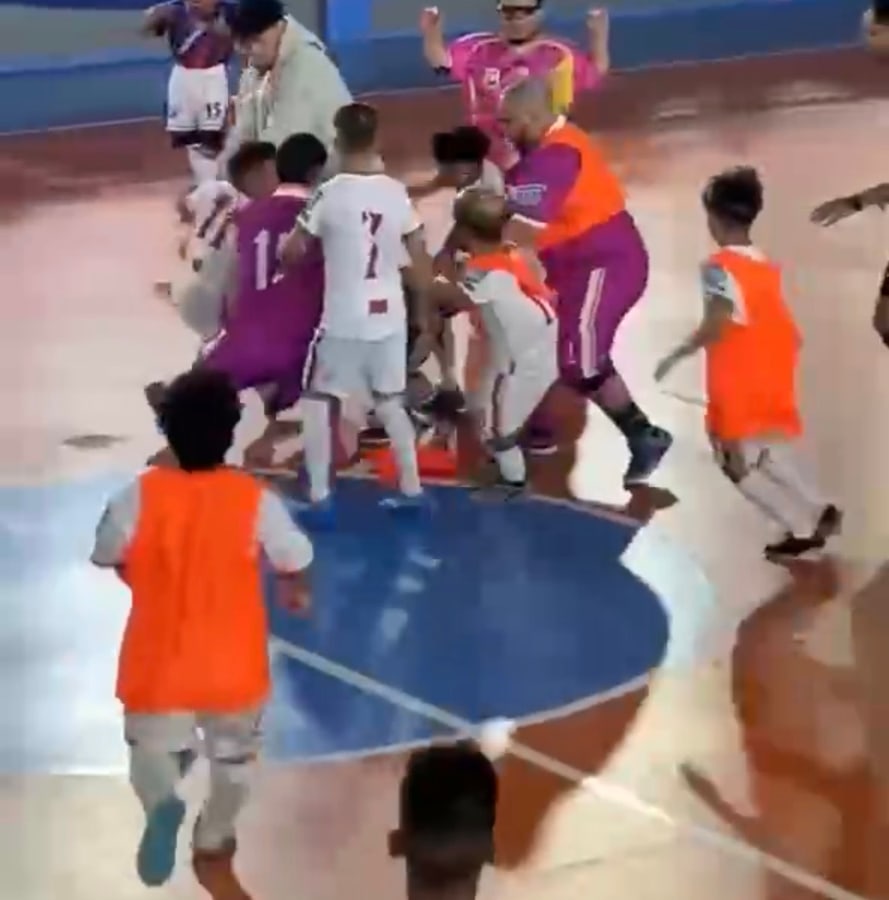
A mass brawl erupted in Morocco after the match between the national teams of Morocco and Colombia at the Dwarf Football World Cup. Police had to be called in to investigate.

Ukrainian filmmakers are wrapping up shooting a film about a relationship where a couple decides to take a temporary break. The lead roles are played by Volodymyr Dantes and Anastasia Nesterenko.
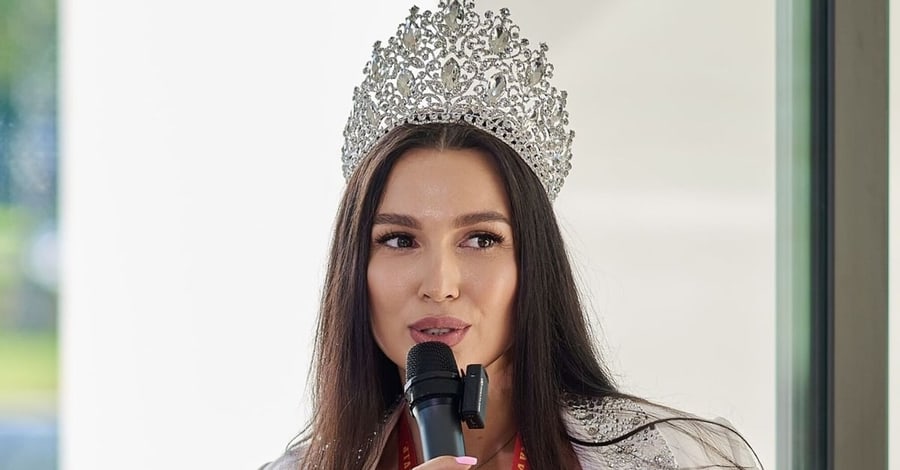
The actor, known for his role in the 'Transformers' films, expressed respect and gratitude to the Ukrainian people during a closed event in the US.

Ukrainian aircraft engine developer transferred servicing rights to MSI ENERGY, a company linked to the IMACO network and trading with Russia.
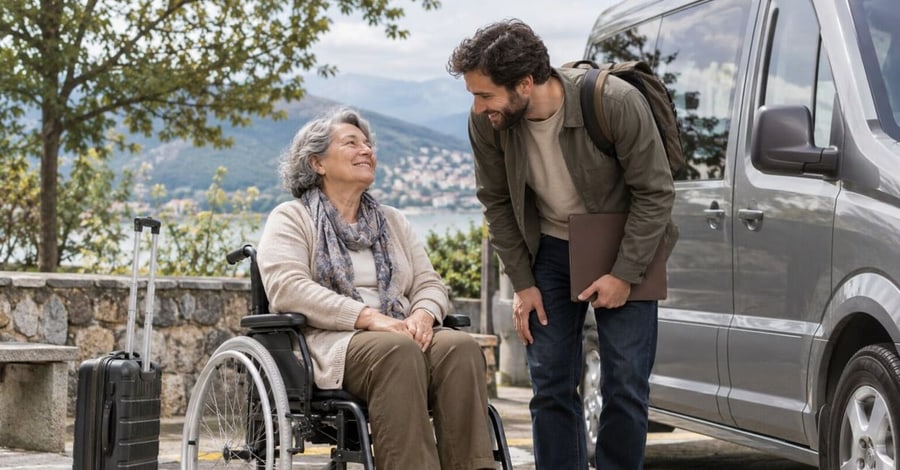
Having a deferment from mobilisation does not guarantee automatic border crossing. We examine the papers required for accompanying parents or a spouse and how to verify your situation before travelling.
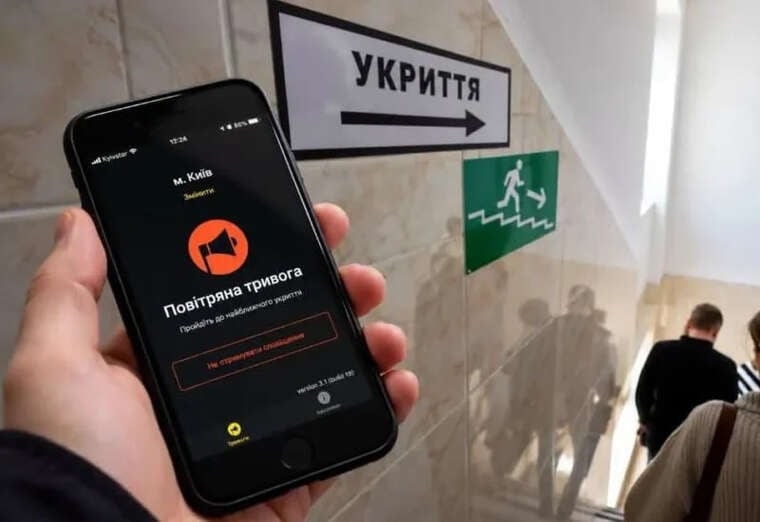
The Verkhovna Rada adopted a resolution obliging the government to review the decision to suspend business activities during air raid alerts.

International Monetary Fund experts calculated two options for gradually raising tariffs to cover energy production costs and reduce state subsidies.
The situation where a man has a deferment from mobilisation due to caring for a mother with a disability and plans to leave the country together requires careful analysis. The presence of a deferment is not an automatic pass through the border. The key is understanding the legal grounds for the deferment and the specific rules governing the joint crossing of the state border.
The main document defining the procedure for leaving the country with the accompaniment of persons with disabilities is the "Rules for Crossing the State Border by Citizens of Ukraine", approved by Resolution No. 57 of the Cabinet of Ministers of Ukraine dated 27 January 1995. During the state of war, the provisions of paragraph 2-1 of these rules in their current version apply.
Legally, it is important to clearly distinguish the ground for deferment provided for by Article 23 of the Law of Ukraine "On Mobilisation Preparation and Mobilisation" from the ground for crossing the border in accordance with Resolution No. 57. Although these issues are related, they are not identical. Therefore, before travelling, it is necessary to check your situation against the specific grounds established in the border crossing rules.
The list of required documents is formed taking into account the disability group, the degree of kinship, and the nature of the care.
To cross the border, care can be confirmed by a certificate or a reference regarding the receipt of compensation, aid, or an allowance. An alternative option is an act establishing the fact of providing care. This document is issued upon application at the district state administration or the executive body of the local council. For a son accompanying a father or mother with a Group I or II disability, such an act can be one of the ways to confirm care.
Difficulties often arise when the surnames of the mother and son differ (for example, the mother changed her surname after marriage, while the son bears his father's surname). In such cases, a single birth certificate may not be sufficient to unambiguously establish family ties.
The mandatory set of documents includes:
It is additionally recommended to have documents proving joint registration, a care act, or a compensation reference. It is advisable to prepare originals and notarised copies.
The presence of a care-related deferment itself does not guarantee border crossing. If a man accompanies a mother with a Group I or II disability, he must meet the conditions established in paragraph 2-1 of Rules No. 57 regarding the accompaniment of parents. If the ground is permanent care, another provision of the same paragraph is checked.
Men aged 23 to 60 who are leaving on the basis of accompaniment should remember the obligation to return to Ukraine no later than the return of the person being accompanied.
A few days before departure, it is recommended to check the following:
If doubts remain, before purchasing tickets or booking transport, it is advisable to contact the State Border Guard Service of Ukraine by phone at 1598 or +38 (044) 527-63-63. Reference consultations are provided on weekdays from 08:30 to 17:00. When contacting, it is desirable to describe the situation in detail and list the available documents.
For people using wheelchairs, it is important to plan the logistics in advance: boarding and alighting, the possibility of accommodating a folded chair and luggage, as well as stops for rest, taking medication, and using sanitary facilities. If a transfer is chosen, for example, the services of S-Transfer, it is necessary to inform them of the dimensions of the wheelchair in its folded state and clarify the suitability of the proposed vehicle before booking.
Thorough preparation of documents and coordination of transport conditions allow avoiding unnecessary stress during the journey.
Comments
No comments yet. Be the first!