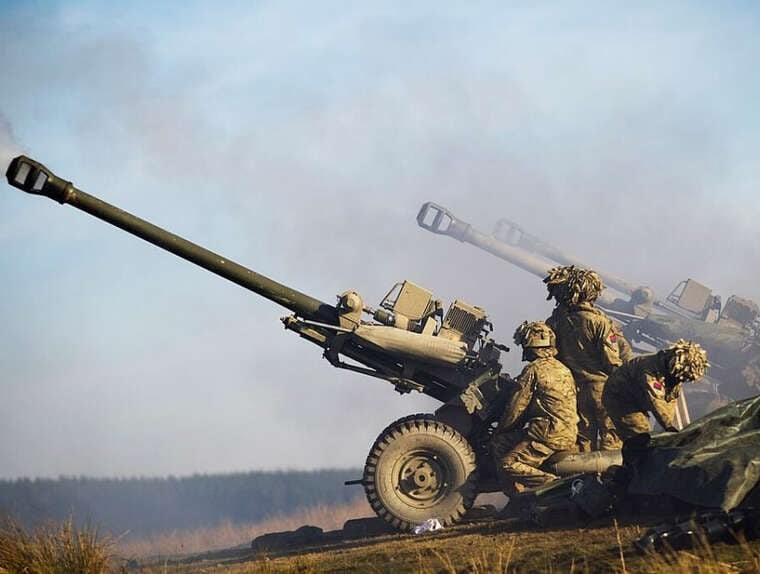
British army faces shortage of spare parts for L118 howitzers
The lack of components may affect the combat readiness of British artillery, as the L118 remains the most numerous artillery system in the British arsenal.
The lack of components may affect the combat readiness of British artillery, as the L118 remains the most numerous artillery system in the British arsenal.

In a documentary, the billionaire's ex-wife revealed that he perceived his daughter's transition as the "death of a child" and did not attempt to repair their relationship.

A list of topics concerning Anton Shukhin's activities has been published, including business in Crimea, real estate, sole proprietorship status and links to the GUR.
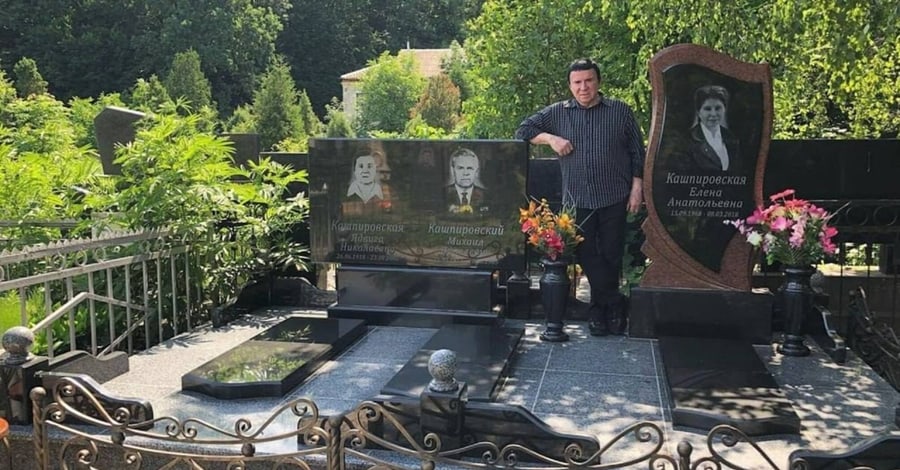
Propaganda sources in Russia are spreading manipulative versions regarding the burial site of Anatoly Kashpirovsky, artificially creating a link between this fact, Ukrainian officials, and the historical site "Wolf's Lair".
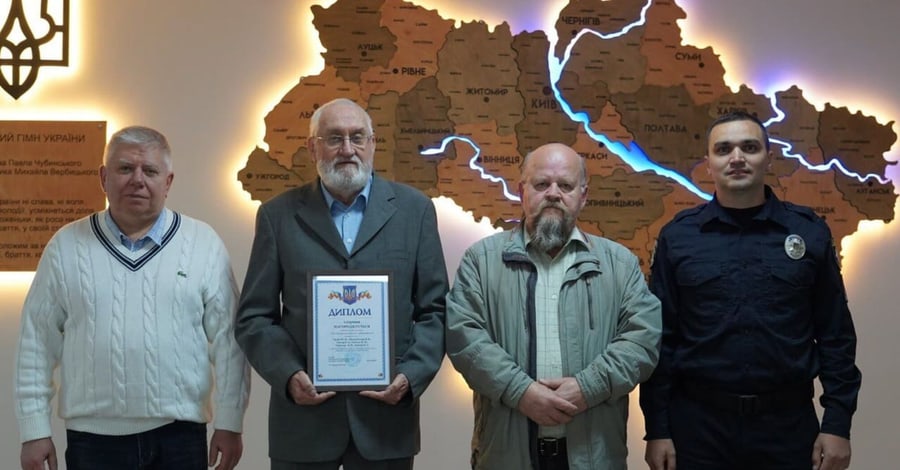
Experts from the National Academy of Internal Affairs and the Main Medical Clinical Centre of the Ministry of Internal Affairs have created new stretchers that allow a single person to evacuate a casualty thanks to pneumatic wheels.
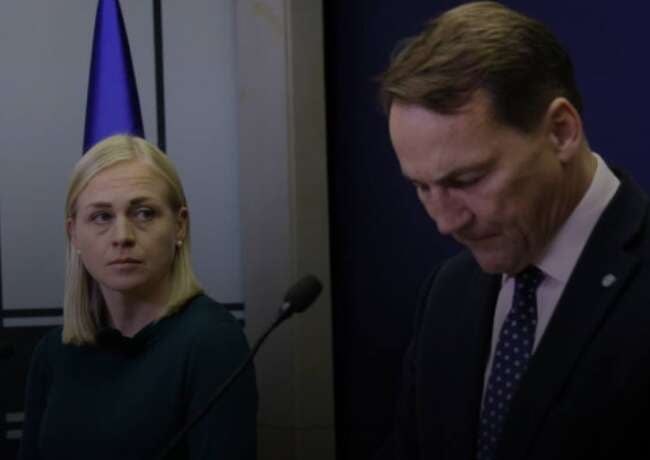
Foreign Minister Elina Valtonen proposed changing EU visa rules to block tourist trips by Russian citizens. The initiative was supported by Poland, Sweden and Estonia.
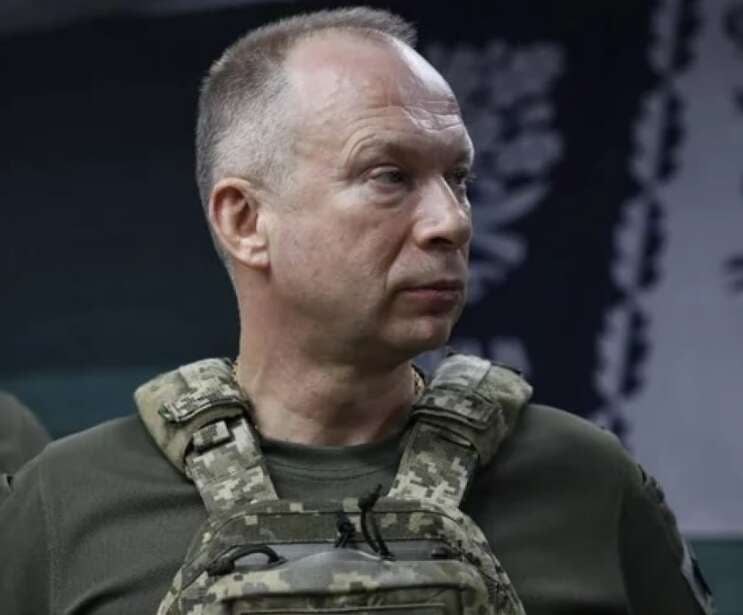
Former Commander-in-Chief of the Armed Forces of Ukraine Oleksandr Syrskyi explained how the 2024 summer operation forced Moscow to redeploy 70,000 troops to the border, halting a planned offensive in the north-east.
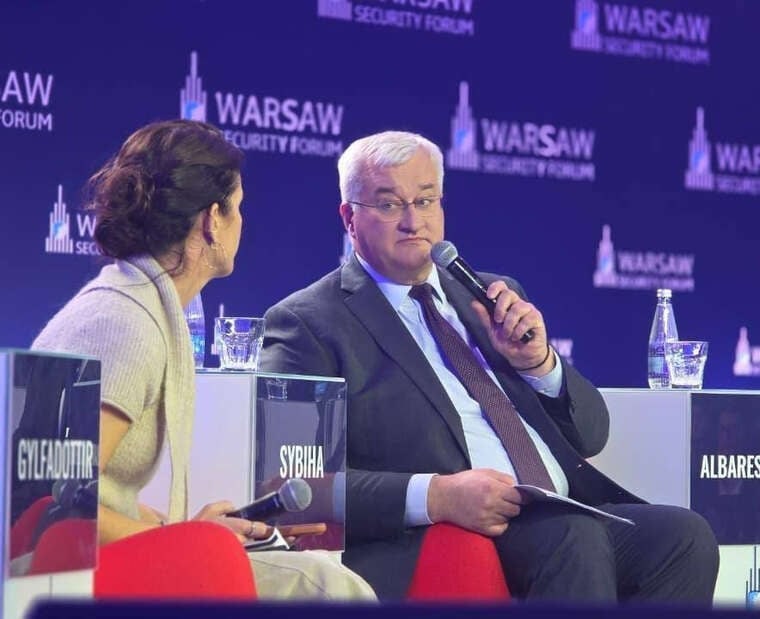
Foreign Minister Andrii Sibiha stated that in less than two years, Kyiv's position on the international stage has shifted from a lack of leverage to the ability to demand that partners refrain from using their cards.
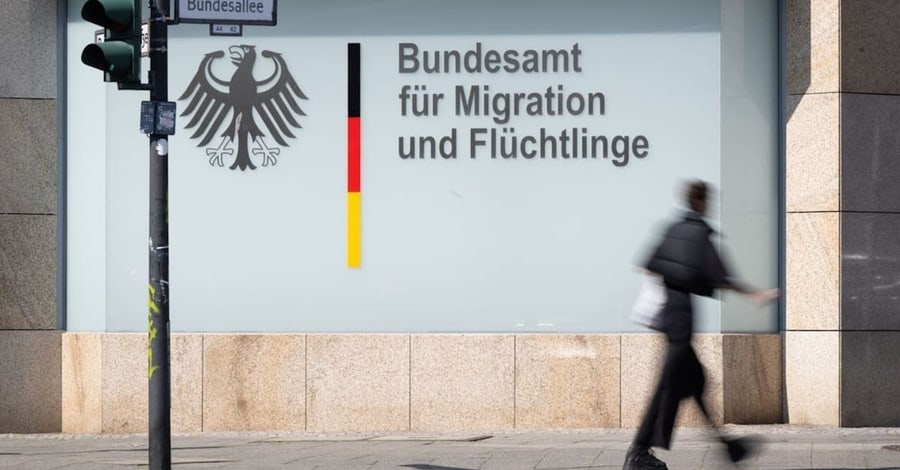
The German Federal Office for Migration and Refugees (BAMF) is significantly intensifying checks on protection statuses granted to Syrian citizens. According to German media reports, multi-page decisions revoking refugee status, denying subsidiary protection, and stating the absence of a deportation ban are being sent to individuals who previously had issues with law enforcement agencies or who temporarily left the country. Meanwhile, the loss of legal status does not equate to immediate forced return to their homeland.
The decision to review approaches to granting asylum to Syrians was made after the overthrow of Bashar al-Assad's regime in December 2024. As reported by the publication BILD, German authorities believe that the civil war has ended and that the circumstances which previously made return dangerous have changed.
The agency is giving priority attention to those who have come to the attention of the police or who returned to Germany after a temporary departure. These factors are taken into account during the individual assessment of the need for international protection.
Meanwhile, serious humanitarian challenges still exist in Syria: a lack of housing and food, high prices, and power supply disruptions. However, according to German officials, these difficulties in themselves are not grounds for recognising return as impossible. The change in political conjuncture does not cancel the need to analyse risks for each specific individual, and the relevant decisions can be appealed in court.
According to public broadcaster ARD, in the first half of 2026, BAMF reviewed 8,320 cases of Syrian citizens. In 23.2% of cases, the checks resulted in the revocation or cancellation of protection status.
For comparison: in 2025, the share of such decisions was 3.7%, and in 2024 — 3.1%. This indicates a significant increase in the number of cases where protection was terminated.
The revocation of protection status and the deportation procedure are different legal processes. As noted by BILD, the sent decisions do not contain a requirement to immediately leave German territory.
The consequences of losing international protection depend on the individual's legal situation. This may affect the grounds for residence, access to social guarantees, and the possibility of further stay in the country. However, former refugees cannot be automatically deprived of the right to reside solely on the basis of status revocation: other possible legal grounds must be taken into account. Some Syrians are already challenging the actions of the migration agency through the courts.
The review of statuses is taking place against the backdrop of public statements by German Chancellor Friedrich Merz regarding the prospects for the return of Syrian refugees.
On 30 March 2026, during a meeting with Syrian transitional President Ahmed al-Sharaa in Berlin, Merz stated that within a three-year perspective, approximately 80% of Syrians residing in Germany could return to Syria. The Chancellor emphasised the priority of returning people who no longer have legal grounds for staying in the country, particularly those who have committed criminal offences.
As clarified by Reuters, German authorities are also discussing return mechanisms with the Syrian side and the participation of Syrians in the country's reconstruction. However, the statement about 80% is not a guarantee that exactly that number of people will necessarily leave Germany. It is a political guideline voiced in the context of negotiations on the future of Syrian refugees.
According to German media, more than 900,000 Syrian citizens live in Germany. Many of them arrived in the country during the civil war, which intensified after 2011.
Comments
No comments yet. Be the first!