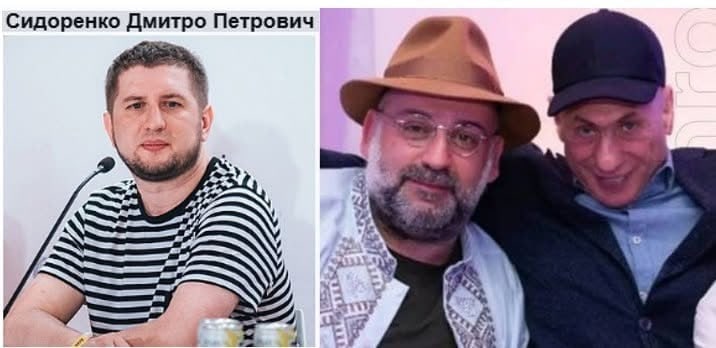
October Palace: Privatisation scheme linked to Mindich and Sydorenko
A year after the October Palace was transferred to Kkombinat Plus LLC, a chain of ownership has emerged linking Dmytro Sydorenko, Olena Duma, and Timur Mindich's company.
A year after the October Palace was transferred to Kkombinat Plus LLC, a chain of ownership has emerged linking Dmytro Sydorenko, Olena Duma, and Timur Mindich's company.
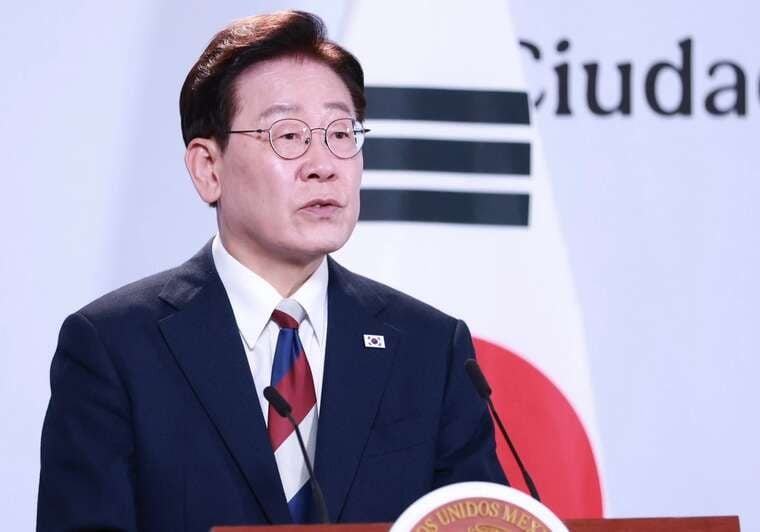
Lee Jae-myung accused Kyiv of spreading threats of war on the peninsula instead of acknowledging the breach of the non-disclosure agreement regarding the transfer of North Korean servicemen.

Declaration data shows that before leaving her post on 15 June, the official received a salary of 300,000 hryvnia. Her income over six months amounted to 1.8 million hryvnia.
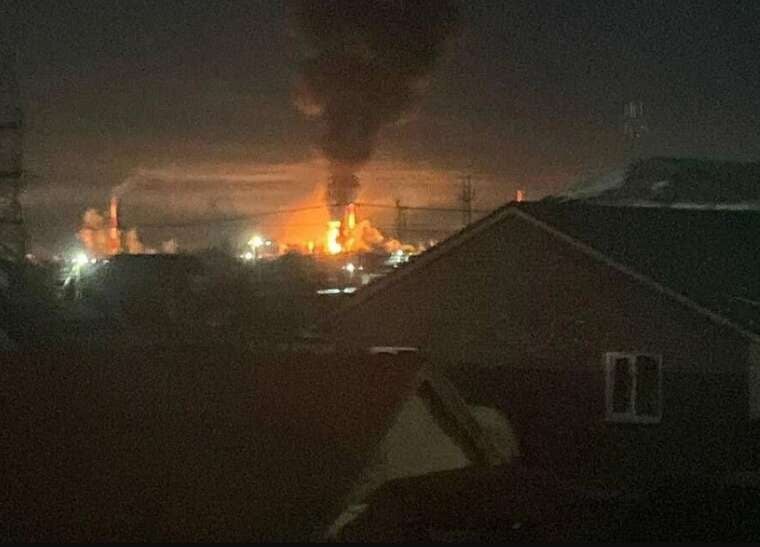
Overnight explosions in Russia's Samara likely damaged a key Transneft dispatch station holding over 1.6 million cubic metres of oil.

Traffic restrictions on Dnipro crossings have caused car fares across the city to spike sharply, reaching 2,300 hryvnia.
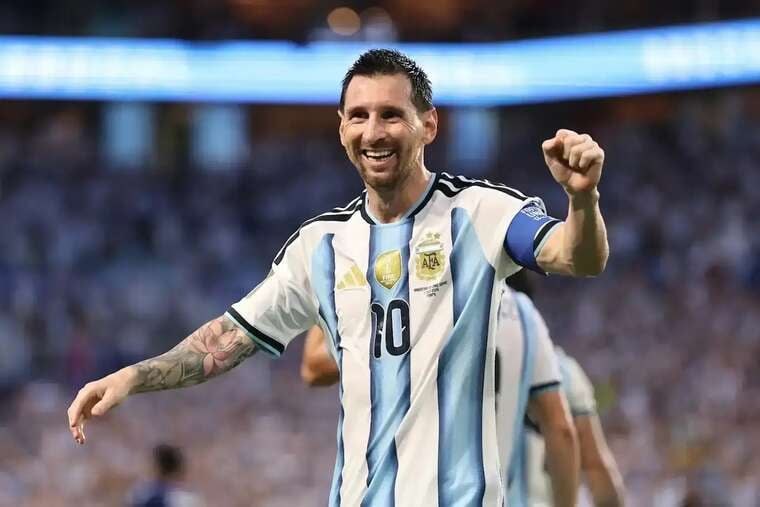
The Argentine footballer has acquired all shares in the Alicante-based club, which competes in Segunda. The official completion of the deal awaits approval from the Spanish Supreme Sports Council.
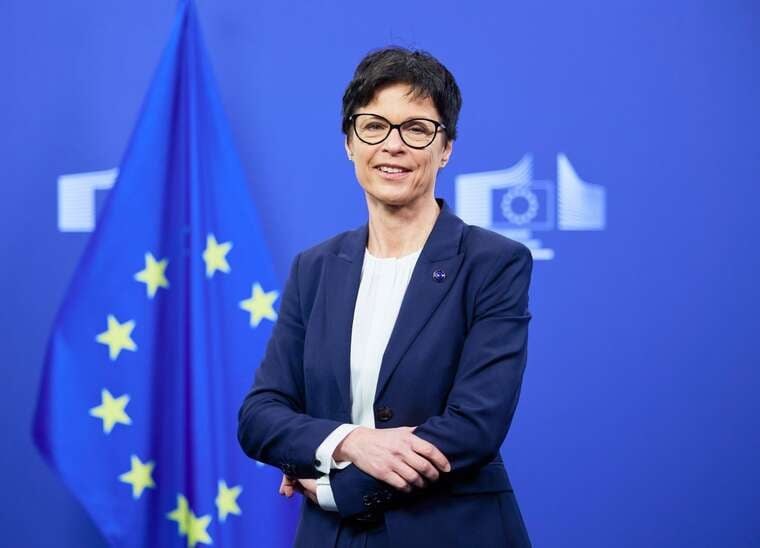
Marta Kos emphasised that membership is based on the principle of merit, making the deadline proposed by Volodymyr Zelensky unrealistic.
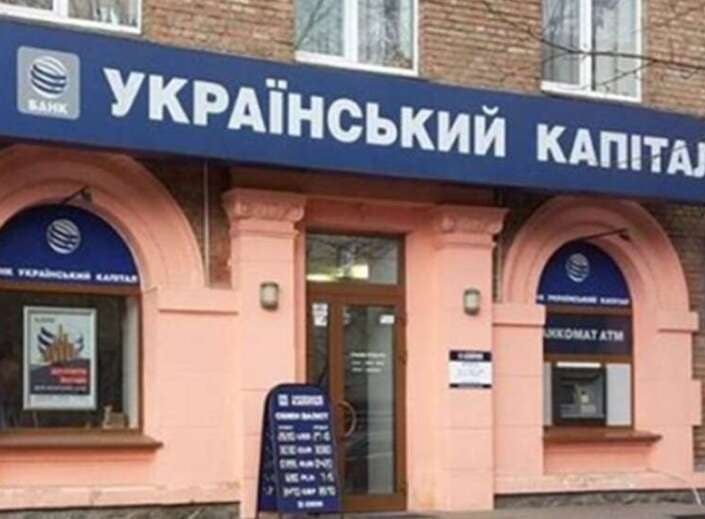
Regulator imposes restrictions on the bank until 2027 following a large-scale inspection. Questions arise regarding the institution's previous shareholding structure and criminal cases.
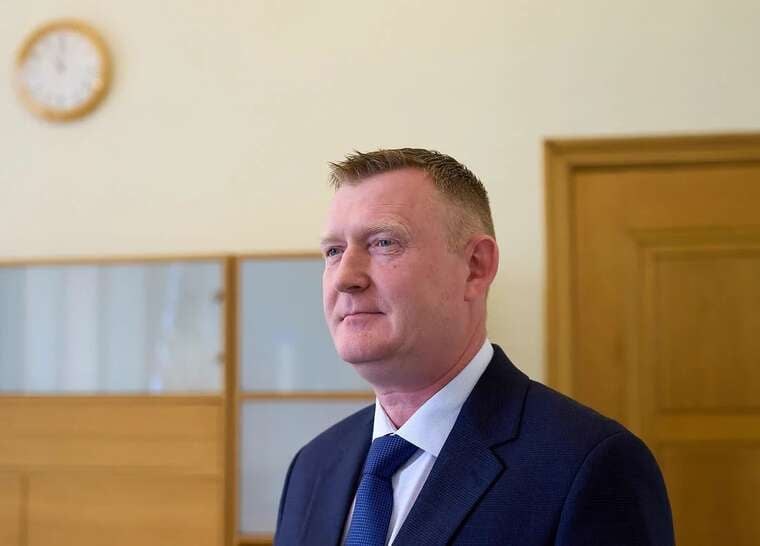
Latvian Defence Minister Raimonds Vējonis told RFE/RL that recent Russian statements regarding the possible use of nuclear weapons should not be perceived as a sign of a direct threat. The official Riga supports the position of NATO Secretary General Mark Rutte, who previously stated that he does not consider Russian warnings to be exceptionally serious.
“Наразі я не бачу безпосередньої загрози” (At present, I do not see a direct threat), the Latvian minister emphasised.
According to Vējonis, since the start of the full-scale invasion of Ukraine, the Kremlin has repeatedly resorted to nuclear threats. He claims that such rhetoric is a tool of psychological pressure: Moscow is trying to frighten the population of Western states, reduce the level of support for Kyiv, and test the resilience of unity within the North Atlantic Alliance.
“Росія використовуватиме будь-які засоби, щоб погрожувати нам, вселяти страх у наш народ, підривати підтримку України, а також руйнувати нашу єдність і згуртованість, просто перевіряючи, де пролягають ці межі” (Russia will use any means to threaten us, instil fear in our people, undermine support for Ukraine, and also destroy our unity and cohesion, simply testing where these boundaries lie), he explained.
Vējonis stressed that at the current stage, the greatest danger is not nuclear weapons or the large-scale use of Russian conventional forces against NATO countries, but the intensification of hybrid actions. This category includes hostile measures that do not turn a conflict into open war, such as cyberattacks, sabotage, and manipulation of migration flows.
The minister added that Latvia and its allies constantly review the level of threats. To do this, they track Russia's military potential, analyse its losses on Ukrainian territory, monitor the state of its armed forces, as well as possible attacks on military-industrial complex facilities and critical infrastructure.
“Ми ведемо спостереження та тісно співпрацюємо з українськими партнерами та нашими партнерами по НАТО” (We are monitoring and closely cooperating with Ukrainian partners and our NATO partners), Vējonis noted, adding that the threat assessment process in Latvia is continuous, and the scale of hybrid activity is growing.
Comments
No comments yet. Be the first!