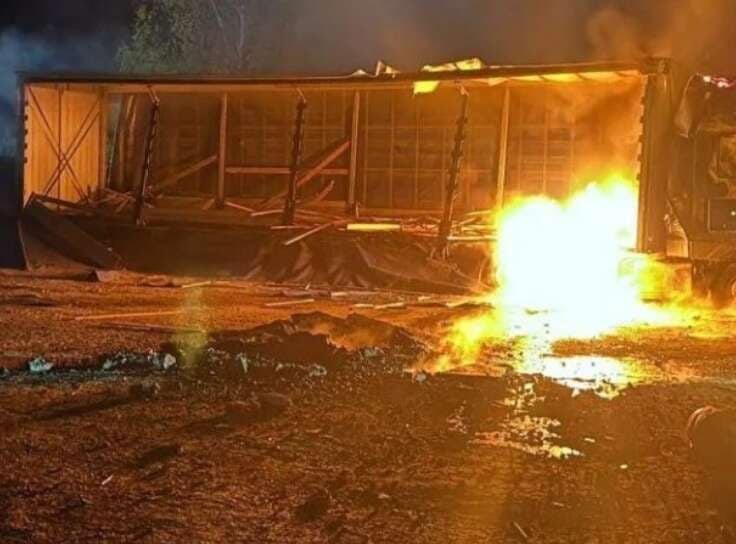
Night attack on Rivne region: infrastructure damaged, no casualties
Russian forces shelled the northern districts of the region in the night of 9 November. Energy facilities, private businesses and residential buildings were hit.
Russian forces shelled the northern districts of the region in the night of 9 November. Energy facilities, private businesses and residential buildings were hit.
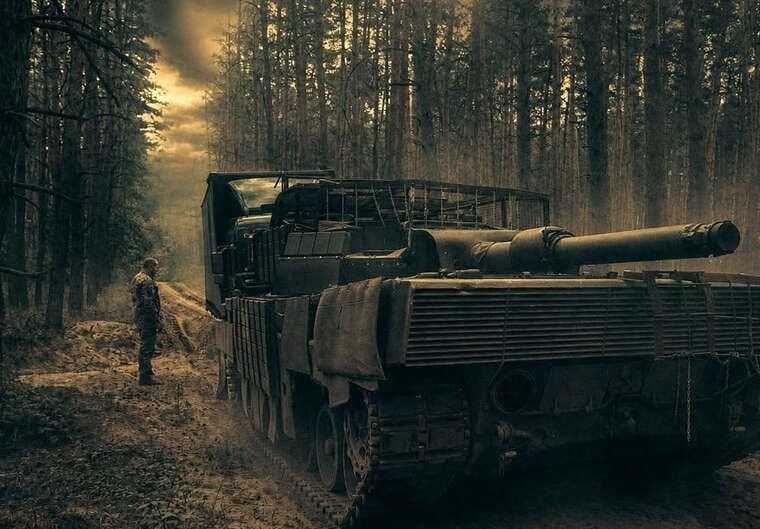
140 combat engagements were recorded over the past 24 hours. The enemy deployed over 8,600 drones and 250 guided aerial bombs, carrying out 84 air strikes.
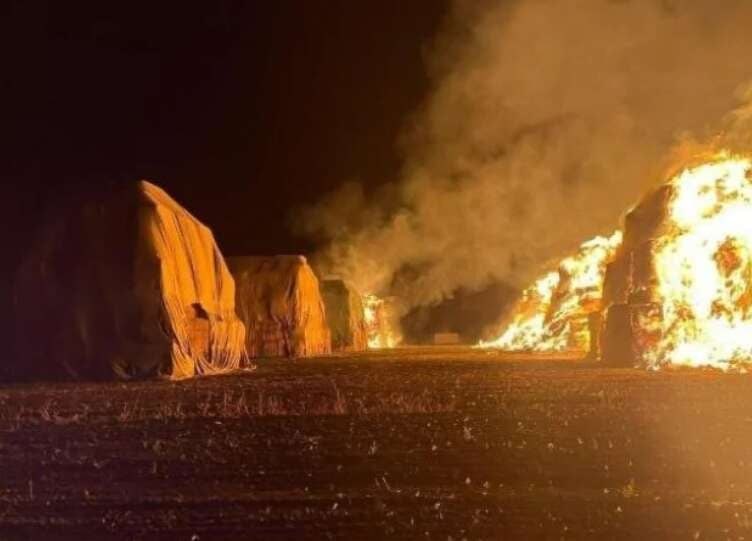
Cherkasy Regional Military Administration head Ihor Taburets reported repelling an air assault in the night leading to 9 November. Enemy missiles and drones damaged critical facilities and residential buildings.
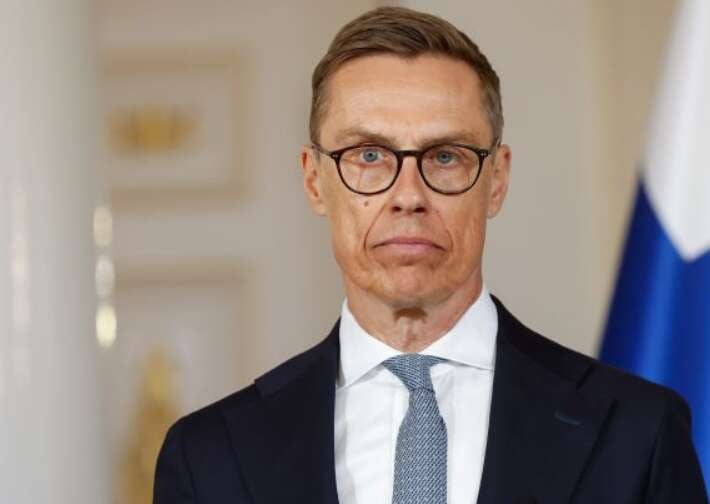
The leaders of Finland and Norway decided to contact the Kremlin directly, fearing a loss of influence over the negotiations.

The Russian army struck Kherson region, damaging residential buildings and infrastructure. Five residents were evacuated from liberated territories.
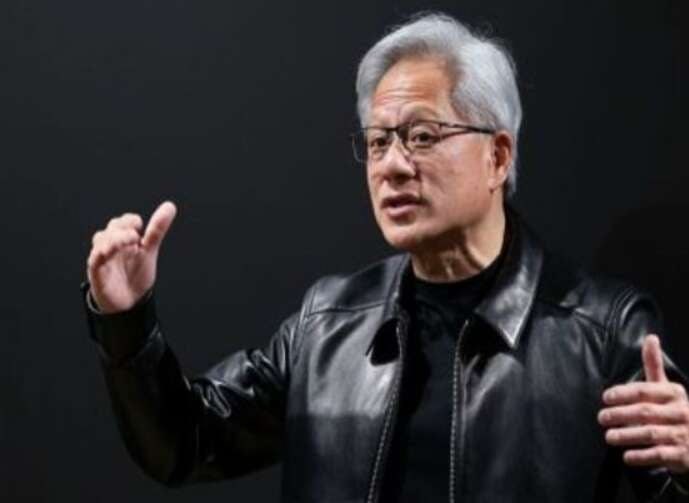
Nvidia chief Jensen Huang apologised to his family for his unfaithfulness. Donald Trump publicly supported the technocrat and urged him to stay in his position.
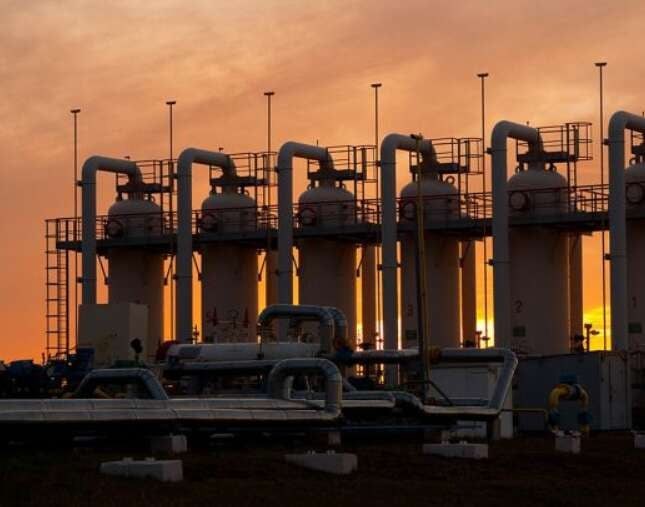
Moldovan president confirms the country no longer imports natural gas from Russia. The launch of the new Vulcanesti–Chisinau power line strengthens energy security and links with Romania.
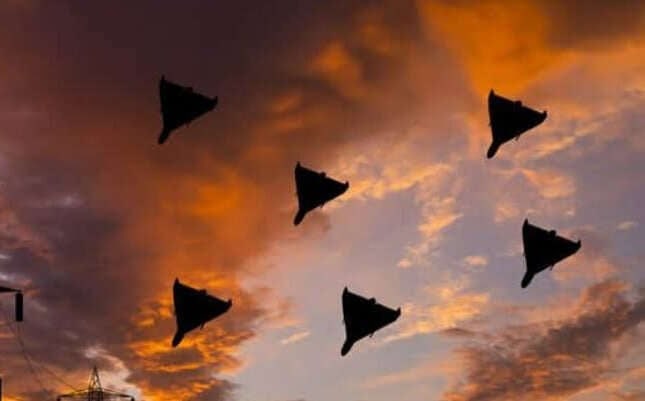
The Air Force reported a massive overnight strike by Russian drones. Preliminary data indicates defenders shot down 271 Shaheds and five other types of aircraft.
The republic's leader, Maya Sandu, officially confirmed that Moldova has ceased all purchases of natural gas from Russian territory. This statement came against the backdrop of the commissioning of a new high-voltage power line, which has strengthened the country's integration into the European energy grid via Romania.
According to the president, the move away from Russian gas is accompanied by plans to expand capacity for importing electricity from Europe.
«Молдова взагалі не купує російського газу, і на підході ще дві лінії електропередачі до Румунії» ("Moldova does not buy any Russian gas at all, and two more power lines to Romania are on the way"), Sandu noted.
She also mentioned Moscow's long-standing practice of using energy resources as a tool of pressure and blackmail against the country.
The official opening of the new Vulcanesti–Chisinau power line took place on 8 November. This approximately 157 km long line connects the southern region of the republic with the capital. The main objective of the project is to provide an additional route for electricity supply from Romania and the pan-European system.
The implementation of the new infrastructure will allow for a reduction in dependence on the Moldovan DRES, located in Transnistria. Previously, this facility met a significant portion of the country's electricity needs.
During the ceremony, Sandu emphasised that energy dependence had long remained a tool of pressure from Moscow. In her assessment, the new line will allow for the diversification of supply routes and a reduction in the risk of power outages.
«Ніхто більше не зможе шантажувати нас, відключати електрику чи вимикати опалення» ("No one will be able to blackmail us, cut off electricity or switch off heating anymore"), the head of state stressed.
European Commissioner for Enlargement Marta Kos also commented on the event, calling the line's launch an important step towards the final overcoming of Moldova's dependence on Russian energy resources.
Chisinau will continue to develop energy links with Romania. In particular, plans include the construction of two more power lines: Belytsi–Suceava and Strasheni–Gutinas.
The latter of the mentioned projects, also known as the Trump Liberty Line, envisages the interconnection of the energy systems of the two countries. The US has approved $130 million in funding for its implementation.
Comments
No comments yet. Be the first!