Systemic arrears have engulfed all sectors of the economy
The financial system of the Russian Federation in 2026 has fallen into a vicious cycle of non-payment, affecting all market participants — from ordinary citizens to large industrial enterprises and entire industries. According to the Ukrainian Foreign Intelligence Service, as of August, 28% of borrowers in Russian banks faced difficulties in servicing their loans.
Due to the high cost of borrowing, 33 companies committed technical defaults between January and September, while 17 of them progressed to full default. Serious problems also arose with wage payments. By the end of September, the total amount of overdue wage arrears in the Russian Federation reached 2.539 billion rubles. More than 56% of this sum consists of debts for the current year, which enterprises attribute to a complete lack of their own funds.
Examples of collapse in manufacturing and the housing and utilities sector
A typical example of the financial state of industry is the Spiridonovskaya mine in Kiselevsk. It lacks funds to increase extraction, and without new investments, the company cannot sell more coal. At the coal company "Pivnichny Kuzbas," the debt to 1,408 workers exceeded 807 million rubles.
The problem is not limited to enterprises. Ordinary Russians also found themselves in a debt trap, even for basic utility services. For instance, in Krasnodar Krai, the accounts receivable of heat supply organisations for gas increased by 16%.
Coercive collection methods and the "military" solution
The authorities are responding to the financial crisis exclusively with coercive and fiscal measures. From October 2026, the collection of housing and utility debts has been switched to a "digital acceleration" mode. Bailiffs are actively seizing assets, wages, and vehicles. For example, in Kaliningrad Oblast, a single raid revealed debts of five car owners totalling more than 4.5 million rubles.
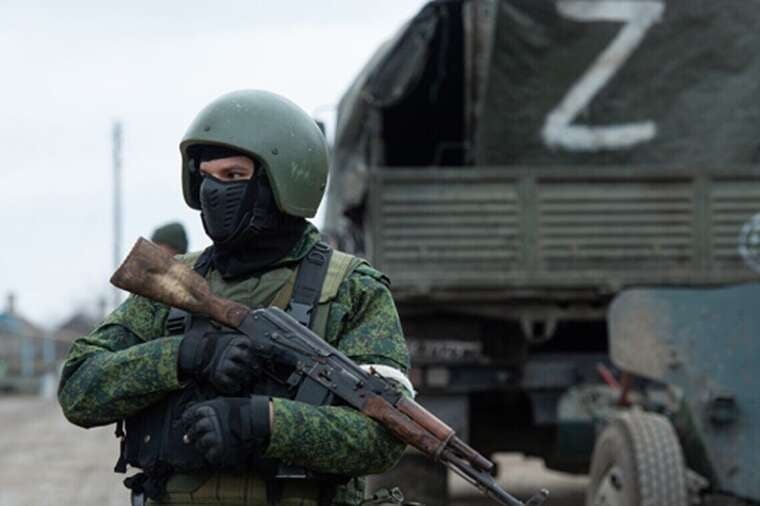
The Kremlin offers credits to enterprises, while for ordinary citizens, the only mechanism for being relieved of loan obligations is participation in the war against Ukraine. For those who sign a contract for a term of at least one year, a "partial debt write-off" campaign is in effect. Full debt write-off without limit on the amount is provided only in cases of death, death from wounds, or the receipt of Group I disability.
Thus, the Russian economy has reached a state where the only available tool for "financial recovery" for a citizen is a contract with the army, while civilian business and the population remain caught in the pincers of seizures, defaults, and forced collections.

Comments
No comments yet. Be the first!