
Ex-Apple CEO Tim Cook bought a carpet in Istanbul for $18,000
Social media is discussing Tim Cook's visit to Turkey, where, according to locals, he was tricked at a bazaar into buying a carpet for $18,000.
Social media is discussing Tim Cook's visit to Turkey, where, according to locals, he was tricked at a bazaar into buying a carpet for $18,000.
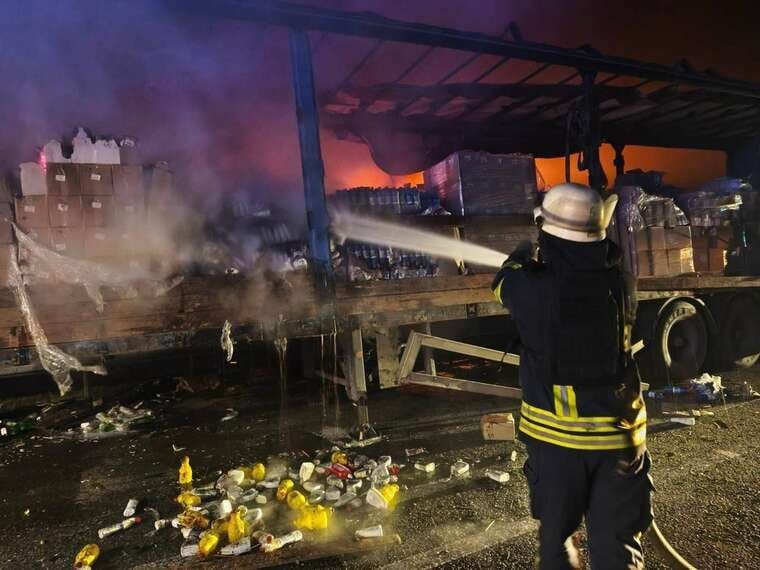
The mayor of Brovary reported that a truck caught fire following a nighttime strike on Kyiv, and its driver sustained serious injuries.
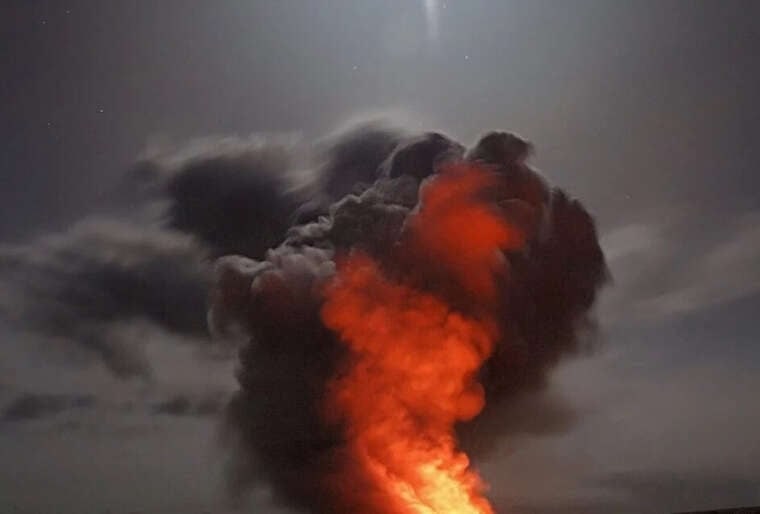
Local sources reported hits on a shopping centre in Obolon and the capital's energy infrastructure during the overnight attack.

US special envoy Steve Witkoff and Jared Kushner have arrived in the Russian capital, where they were met for a meeting with Vladimir Putin.
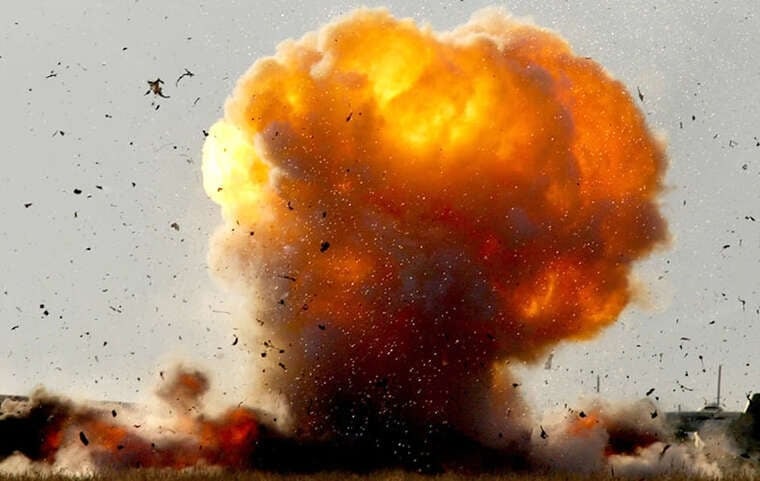
A Russian military officer holding the rank of colonel died as a result of an explosion on Kolpinsky Shosse. A member of his family was injured.
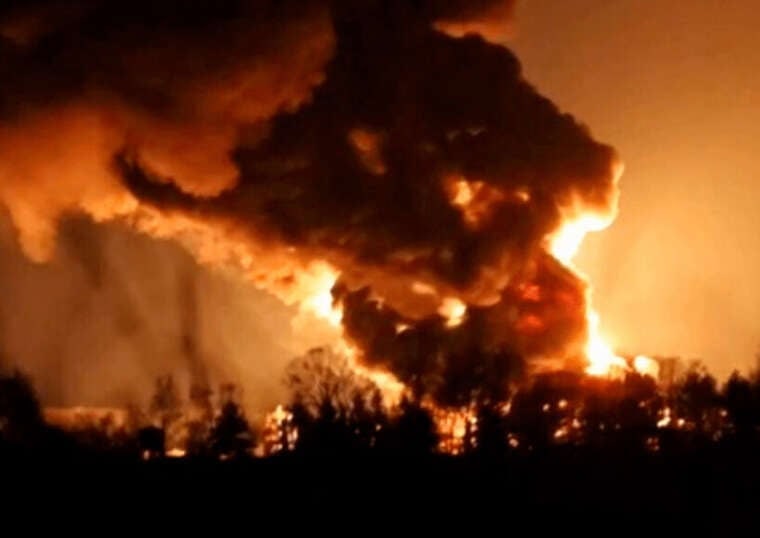
Russian attack on Rivne region damages energy facilities and residential buildings. Several settlements remain without electricity.

Democratic candidate won in Mississippi by a razor-thin margin, a surprise for Republicans following Trump's 2024 victory.
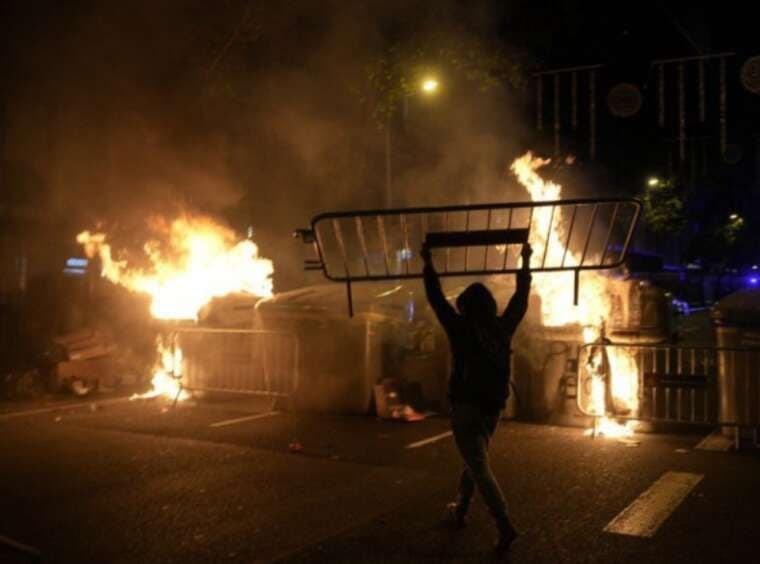
During the first nationwide strike in Spain in 14 years, a clash broke out in Barcelona between law enforcement and a group of demonstrators engaged in looting.
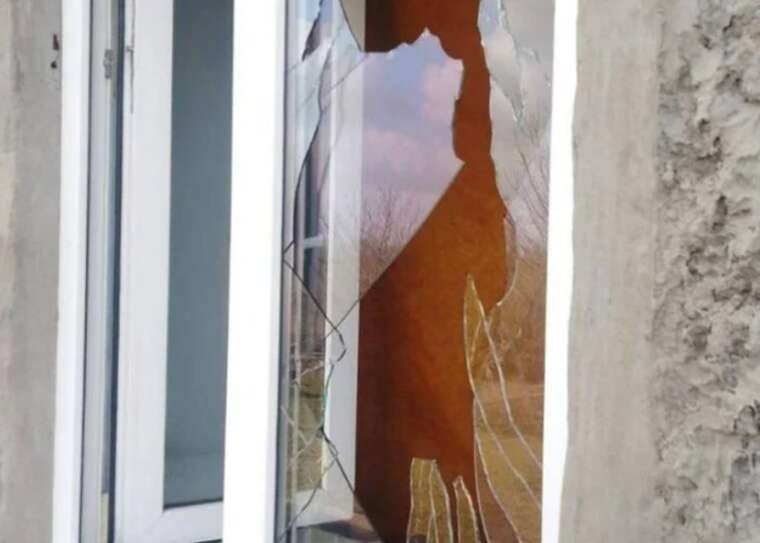
According to data released by the head of the Regional Military Administration, Oleksandr Prokudin, Russian armed formations struck the territory of Kherson region over the past day, using unmanned aerial vehicles, aviation and artillery. As a result, one person was killed and three citizens were injured.
Numerous communities in the region came under enemy fire. Among them: Antonivka, Beryslav, Prydniprovskye, Komyshany, Novoraiisk, Novomykolaivka, Urozhaine, Kreshchenivka, Daryivka, Mykiliske, Ponyativka, Inhulets, Bilozeryka, Romashkove, Dniprovskye, Veletenske, Novodmytrivka, Yantarne, Kizomis, Sadove, Stanislav, Oleksandrivka, Shiroka Balka, Sofiivka, Zmiivka, Zolota Balka, Milyove, Mykhailivka, Novokaiyry, Pryozerne, Tyahynka and the city of Kherson.
Enemy shells and missiles hit critical and social infrastructure facilities, as well as residential areas. As a result, four apartment buildings and two private houses were damaged. In addition, an administrative building was damaged.
Five people were evacuated from the liberated territories of the region over the past day. Oleksandr Prokudin emphasised the possibility of moving to safer regions for those who wish to do so.
«Нагадую, якщо ви бажаєте виїхати до більш безпечних місць, звертайтеся до обласного контакт-центру: 0800 101 102 та 0800 330 951», – зазначив глава ОВА. (I remind you, if you wish to move to safer places, please contact the regional contact centre: 0800 101 102 and 0800 330 951, the head of the Regional Military Administration stated.)
Comments
No comments yet. Be the first!