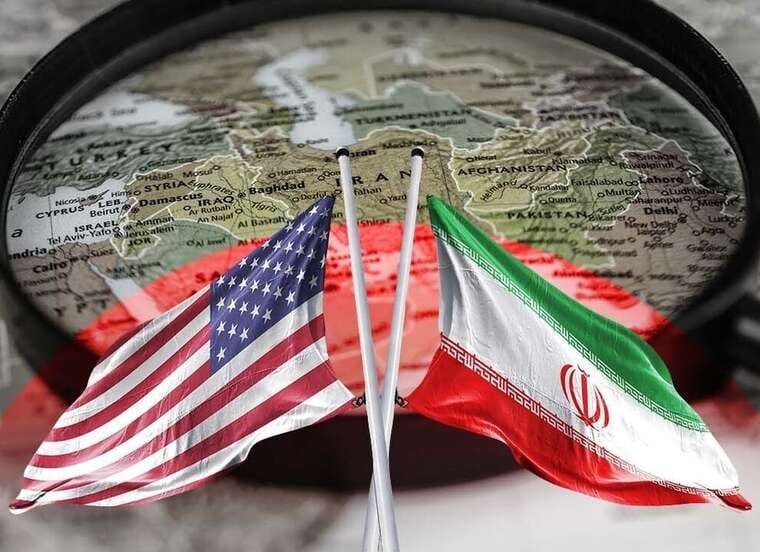
On Friday, Qatari diplomats held talks in the Iranian capital, Tehran, which lasted more than 12 hours. The main objective of these consultations was to reach an agreement on resuming direct negotiations between Washington and Tehran, as well as to prevent the start of military action following the US midterm elections.
Contact with the White House and current status
According to information released by Axios, citing diplomatic sources, Qatari mediators maintained constant contact with the White House while in Tehran. As one of the publication's sources noted, the parties have made some progress: «Переговори досі тривають з метою укладення угоди між США та Іраном» (Negotiations are still ongoing with the aim of concluding an agreement between the US and Iran).
Qatar is trying to organise a package of reciprocal steps to be implemented within a few days. This will allow the parties to return to direct negotiations on the Iranian nuclear programme and other key issues.
Main obstacles: nuclear concessions and sanctions
An American official stated that the process is blocked by two opposing demands. The administration of US President Donald Trump insists that Iran must make concessions in the nuclear sphere as a condition for resuming dialogue. In turn, Tehran demands that the US first lift the naval blockade, unblock frozen funds, and allow the country to sell oil.
Qatari diplomats are also trying to persuade Iran to allow UN inspectors to visit the country's nuclear facilities. This measure is intended to serve as a confidence-building step, to which the US would respond with some easing of sanctions. Discussions on these issues will continue on Saturday in the Qatari capital, Doha.
Positions within the US administration and escalation risks
Different views exist in the US regarding future negotiations. US Defence Secretary Pete Hegseth and Secretary of State Marco Rubio are highly sceptical about the possibility of concluding any nuclear deal with the current Iranian regime. In their view, Trump's legacy should be the further weakening of this regime, including through new strikes, an American official noted.
Meanwhile, US Vice President JD Vance, as well as Trump's envoys Steve Witkoff and Jared Kushner, seek to resume negotiations. However, according to an unnamed Axios source, Trump himself doubts that Iran will ever agree to a deal he would consider acceptable.
US Treasury Secretary Scott Bessent, who heads the economic pressure campaign known as «Operation Economic Outcast», is one of Trump's closest aides calling for not rushing to re-enter the fight, but giving this initiative a chance to develop.
Regional pressure and the role of elections
According to a regional source, countries such as Egypt, Turkey, Iraq, Pakistan, and Saudi Arabia are urgently calling on Iran to agree to resume negotiations before the midterm elections. The leaders of Saudi Arabia and Turkey have also called on Trump in recent days to allow more time for diplomatic efforts.
An American official noted that Trump may be more inclined to order a large-scale military operation if the Republicans suffer a devastating defeat in the midterm elections. «Якщо він (Трамп – ред.) відчує себе приниженим або позбавленим впливу, він зробить щось сміливе. Саме це всі кажуть іранцям. Їхній найкращий шанс домогтися угоди саме зараз» (If he (Trump – ed.) feels humiliated or stripped of influence, he will do something bold. This is what everyone is telling the Iranians. Their best chance to reach a deal is right now), the official said.
Meanwhile, a White House representative stated that election results will not affect the American president's decision regarding Iran. Meanwhile, Israeli Prime Minister Benjamin Netanyahu is lobbying Trump to launch a joint operation against Iran immediately after the elections.


Comments
No comments yet. Be the first!