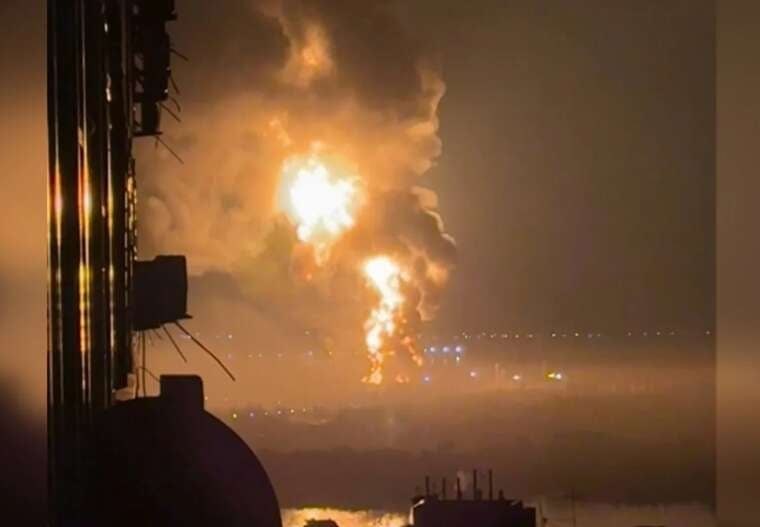
Fire at oil depot in Azov continues after drone strike
Fire at oil depot in Rostov Oblast continues after overnight drone attack.
Fire at oil depot in Rostov Oblast continues after overnight drone attack.

A participant in the 'Carthage' operation, who was responsible for the network of call centres in Europe and the US, remained abroad.
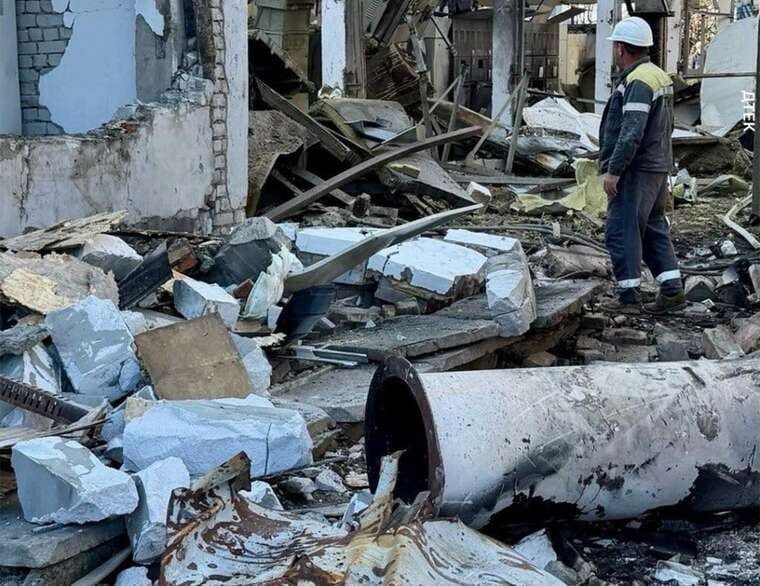
Russian attack on energy facilities in northern Odesa region caused widespread outages and damage to production capacities.
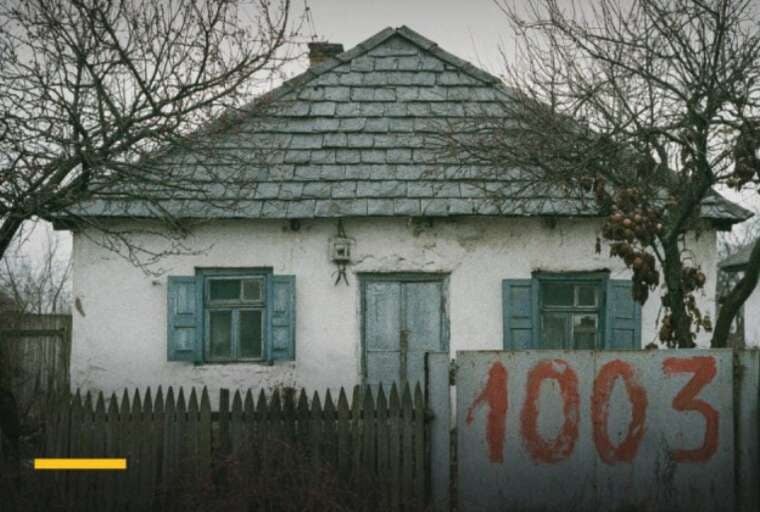
Russian occupation administration plans to transfer over 1,100 real estate objects in Kherson region to so-called municipal ownership, forcing residents to obtain Russian documents to retain property rights.
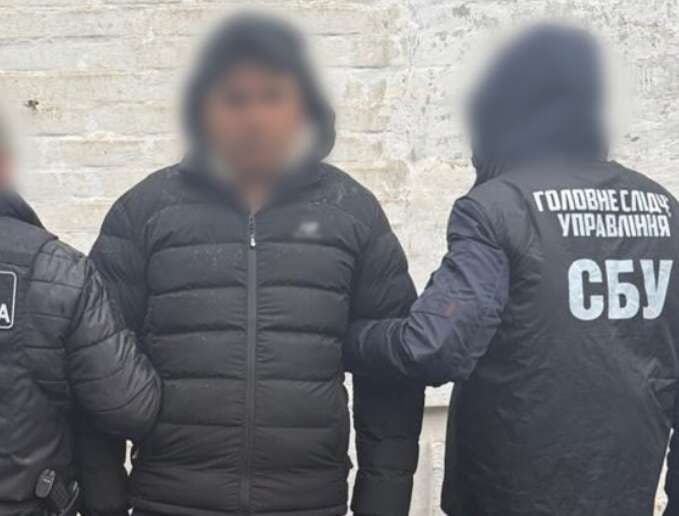
The SBU's military counterintelligence exposed a local conscript who deserted his unit and passed coordinates of military facilities to the enemy while disguised as a taxi driver.
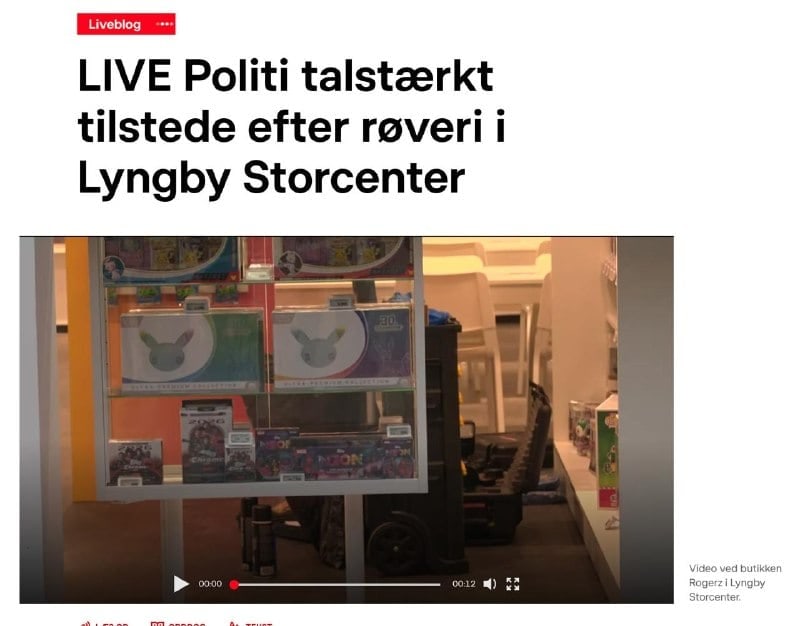
Masked criminals carried out a raid on a collectible card game shop in the northern part of the Danish capital.

Financial reports of Hampton's Trade LLC indicate the passage of billions through a company involving Oleksandr Kyrymov and Swiss structures.
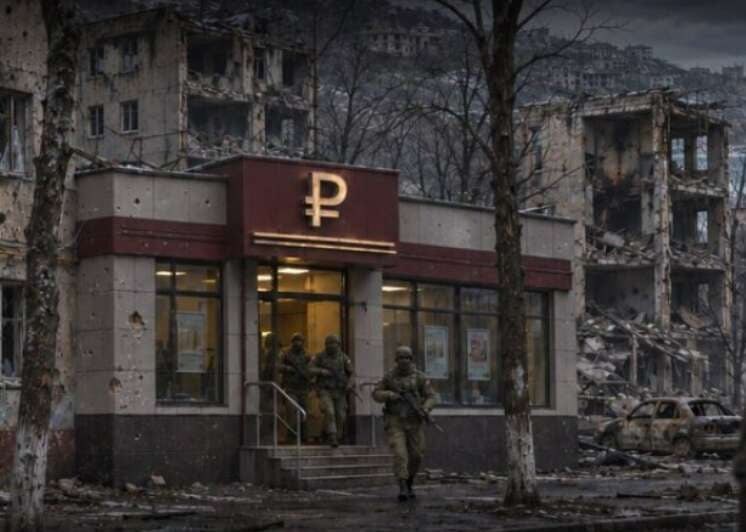
Ukrainian intelligence has revealed a list of financial institutions operating in temporarily occupied territories, bypassing sanctions, and ensuring the functioning of the aggressor's defence sector.
Russia is preparing the so-called "nationalisation" of over 1,100 residential buildings located in the temporarily occupied territory of Kherson region. This was reported by the press service of the Main Directorate of Intelligence of the Ministry of Defence of Ukraine.
The agency emphasised that such activity is another manifestation of Moscow's criminal policy in the occupied lands. The main goal of these steps is to displace the local population and replace it with citizens of the Russian Federation.
«Масштабний грабунок об’єктів приватної власності громадян України — черговий прояв злочинної політики москви на окупованих територіях, яка спрямована, зокрема, на витіснення місцевого населення і заміщення росіянами» (The large-scale plundering of private property objects of Ukrainian citizens is another manifestation of Moscow's criminal policy in the occupied territories, which is aimed, among other things, at displacing the local population and replacing them with Russians), the statement reads.
Intelligence notes that Russia is implementing this policy by worsening the living conditions of civilians under occupation. The shortage of electricity, heating, fuel, food, and medicines caused by the war becomes particularly acute during the autumn-winter period. Meanwhile, Russia has neither the intention nor the ability to ensure adequate social conditions for residents.
Factors of cold and hardship are used by the occupiers as an instrument of additional pressure. For example, in the Kalanchak community, the occupiers promise to install heating points, but to gain access to them, residents must provide registration data regarding their place of residence and work.
The housing of Ukrainians who were forced to leave due to Russian aggression is declared "ownerless" by occupation authorities and transferred to so-called "municipal" ownership. The formal grounds for such alienation of real estate are the lack of re-registration under Russian rules, non-payment of utility services, or non-use of the premises.
To retain ownership rights to their house or apartment, Ukrainians are forced to interact with the occupation administration and personally obtain Russian documents.
The GUR concluded that Russia first started the war and created unbearable conditions under which people are forced to leave their homes. Afterwards, the occupiers use the forced absence of legal owners as a pretext for the large-scale plundering of others' property.
Comments
No comments yet. Be the first!