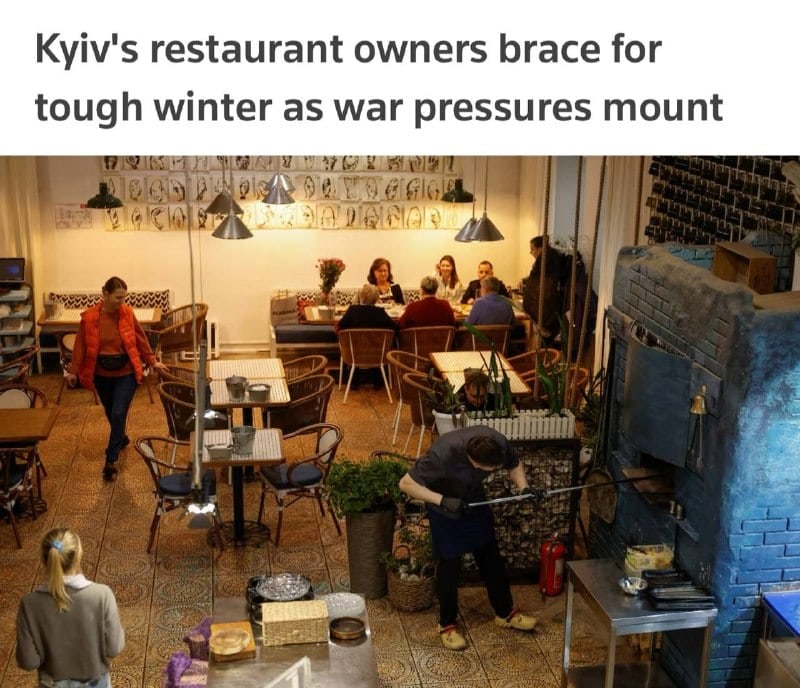
Kyiv restaurants BPSH, Pesto Cafe and Chornomorka close branches due to war realities
Food service chains in the capital are reducing the number of outlets due to falling footfall and power and water outages caused by the war.
Food service chains in the capital are reducing the number of outlets due to falling footfall and power and water outages caused by the war.

The investor sold $17 million worth of shares one day before a 35% price surge, redirecting funds into Elon Musk's space business and crypto assets.
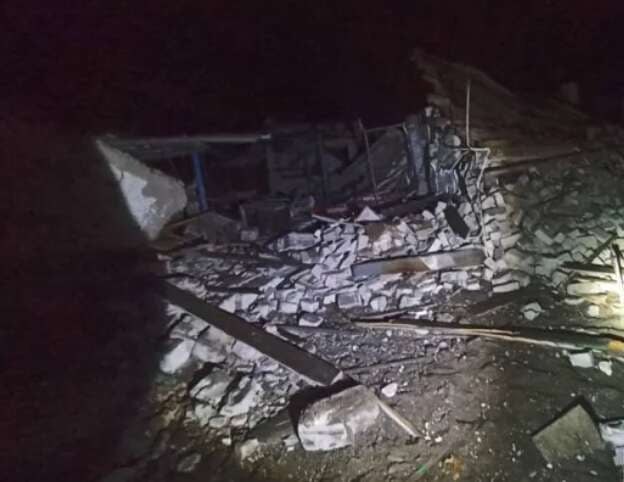
The enemy attacked Kharkiv and eight settlements in the region, using missiles, drones, and multiple rocket launchers. Civilian infrastructure was damaged over the past 24 hours, and the evacuation point in Lozova received 153 people.
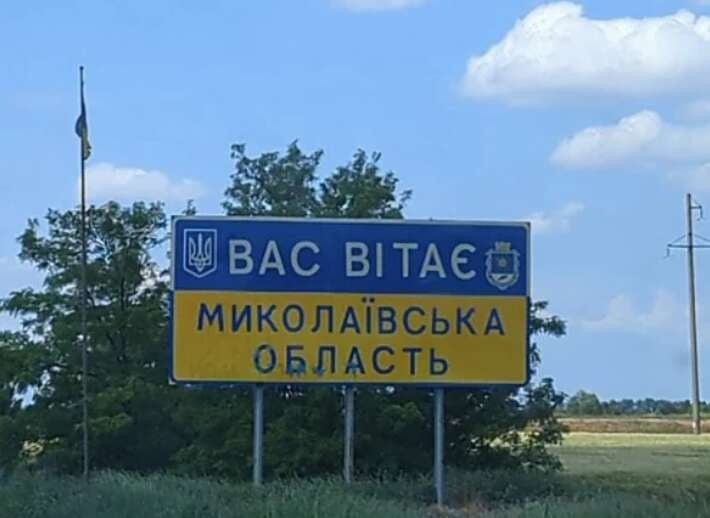
Acting head of the Mykolaiv Regional Military Administration, Georgiy Reshetilov, reported on the aftermath of UAV strikes on civilian infrastructure in the regional centre and the Chornomorska hromada.
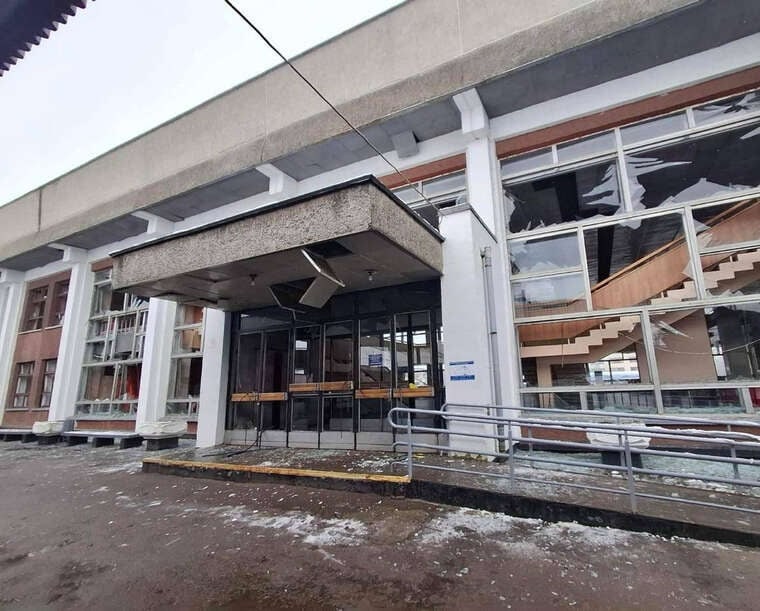
A Russian drone hit a railway station in Zhytomyr Oblast. One person was killed, two were injured, and electric train passengers were evacuated.

The enemy attack on the city caused damage to energy infrastructure, a civilian enterprise, and transport vehicles.
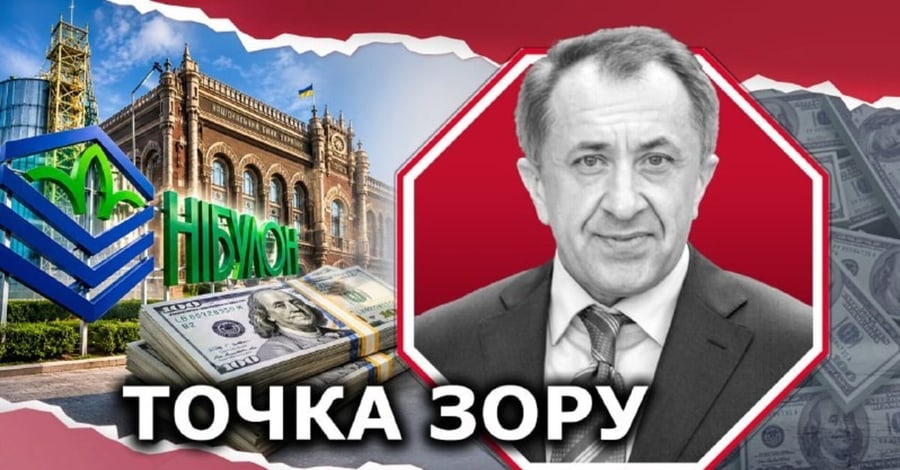
Analysis of "Nibulon" reporting indicates margin contraction. The author calls on the NBU to verify whether the terms of the agroholding's debt restructuring with creditors are justified.
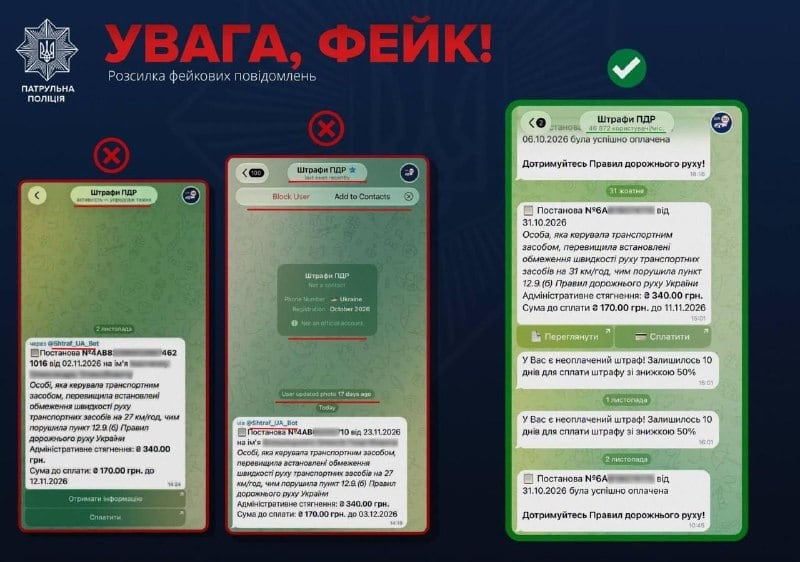
Head of the patrol police stated that criminals are impersonating the official chatbot to steal money from bank cards.
Following the start of the full-scale war, when access to the port of Mykolaiv was blocked, the agroholding "Nibulon" reoriented its logistics to export grain via a new terminal on the Danube. Company management noted that this facility in Izmail later became collateral for a loan from Oschadbank. For farmers, this terminal was a tool for realising their harvest, while for the bank it was an asset whose value depended directly on grain throughput volumes. Therefore, a demand for immediate repayment could have cost the state bank more than granting a deferral.
At the same time, such concessions have consequences. With nearly two years having passed since the new agreements were signed, the public has the right to know whether they allowed the borrower to resume payments and what sums the banks expect to recover. The answer to these questions is critically important not only for "Nibulon" but also for thousands of other enterprises that have lost sales markets or access to ports due to the war.
At the time of the start of the full-scale invasion, "Nibulon"'s debt exceeded half a billion dollars. According to Forbes Ukraine, the estimate was $570 million owed to 26 creditors. The law firm INTEGRITES, which facilitated the negotiations, reported on the restructuring of international financing amounting to up to $500 million in 2024–2025. Among the creditors were the IFC, the EBRD, the European Investment Bank, and a syndicate led by ING. To determine the exact debt balance today, it is necessary to account for further repayments and new borrowings.
In September 2024, Sens Bank agreed to restructure a $27.6 million loan, granting a grace period until November 2027 and a final repayment term until September 2032. In the same month, Oschadbank announced the provision of $20.3 million in financing, which was intended to replenish working capital invested in the construction of the Danube terminal. Sens Bank provided more time for repayment, while Oschadbank additionally financed grain purchases secured by the already built asset. Ukrengazbank and Ukreximbank also reported on restructuring.
Representatives of Oschadbank clarified a key indicator for risk assessment: prior to the invasion, the bank accounted for approximately 4% of "Nibulon"'s credit portfolio, while as of November 2024, it accounted for approximately 14% of the company's total financing limit. To determine the impact of this borrower on the bank's stability, the amount of the bank's claims against the group must be compared with its capital.
The reporting of LLC SP "NIBULON" demonstrates a decline in revenue from approximately UAH 40.6 billion in 2021 to UAH 18.46 billion in 2025. The profitability dynamics cause the greatest concern. Gross profit for the year decreased almost threefold — from UAH 2.17 billion to UAH 0.74 billion. After covering costs in 2025, for every 100 hryvnias of revenue, approximately four hryvnias remained for administrative, financial, and other expenses, whereas a year earlier this figure was nearly eleven hryvnias.
The 2025 report cites two figures that are easily confused: the net loss was UAH 2.99 billion, while the total negative result after accounting for other comprehensive income reached UAH 5.75 billion. At the end of the year, the enterprise's assets stood at UAH 21.81 billion, while liabilities and equity were UAH 26.60 billion, of which UAH 23.88 billion were current. For every hryvnia of current liabilities, there were approximately 33 kopecks of current assets.
In the first nine months of 2026, the enterprise received UAH 16.51 billion in revenue, compared to approximately UAH 13.1 billion for the same period in 2025. The 25% growth indicates a recovery in sales volumes in monetary terms. For a creditor, the key question remains how much cash remains after purchasing grain, paying for transportation, and maintaining terminals, as it is these funds that are used to pay interest and repay the principal debt.
In July 2026, Andrii Vadaturskyi stated in an interview with Mind that over four years of war, the company had paid banks $234 million. However, in September, the publication "StopKor" reported that payments to all creditors had ceased in the first quarter of 2026. These statements refer to different periods. No confirmation from creditors regarding the complete cessation of payments in the first quarter has been found in open sources. To clarify the situation, the company and creditors should publish the total amounts of accrued and paid interest and principal debt repayments for 2026.
The bank's credit committee is obliged to justify the terms of a specific deal, while the supervisory board must verify that the management board complies with approved risk limits. The published terms of the agreements provide no grounds to claim that NBU Governor Andrii Pyshnyi personally influenced the creditors' decisions. At the same time, it is the regulator that must monitor whether banks recognise losses in a timely manner if the actual payments of a major debtor lag behind the forecast. For the state as the bank's owner, delayed recognition of losses means inflated profit in the current period and a potential need for capital replenishment in the future.
The NBU has already investigated the consequences of similar concessions. The Financial Stability Report for June 2024 analysed loans to 47 borrowers who underwent the procedure under the Law "On Financial Restructuring". Only about one-fifth of the volume of these loans returned to the performing category. Meanwhile, according to bank estimates, immediate recovery or sale would have allowed recovering at most one-third of the debt in most cases. These figures explain why a decision on deferral requires an individual calculation for each borrower.
Resolution No. 89 of the NBU Board of Directors dated 7 August 2026 provides that, under certain conditions, banks may not apply specific default indicators to short-term business restructurings carried out from 1 July 2026 to 1 September 2027, inclusive. The bank must justify the enterprise's ability to resume payments. "Nibulon"'s long-term agreements of 2024 were concluded earlier, so their quality can be assessed by how well the then-forecasts were realised and how creditors reacted to deviations.
For "Nibulon", such a calculation begins with the economics of a tonne of grain: how much the company will earn after paying for transportation, handling, and insurance; what volume it will be able to ship if the port in Mykolaiv remains inaccessible; and how much the bank will recover under the updated schedule compared to the sale of collateral, taking into account recovery costs. If the deferral gives the creditor more than alternative options, it should be supported. If, however, the return of funds depends on another loan, the risk assessment, reserves, and the owner's participation in covering losses should be reviewed.
The NBU could publish the results of restructurings for state and private banks annually, grouped by the year of agreement and the size of the borrower. Three anonymised indicators would suffice: how much principal debt has actually been repaid, what share of loans has become overdue again, and what share of expected losses has been covered by reserves. This would allow taxpayers and farmers seeking deferrals to understand whether enterprises of various scales are resuming payments and how much money creditors are actually recovering.
Comments
No comments yet. Be the first!