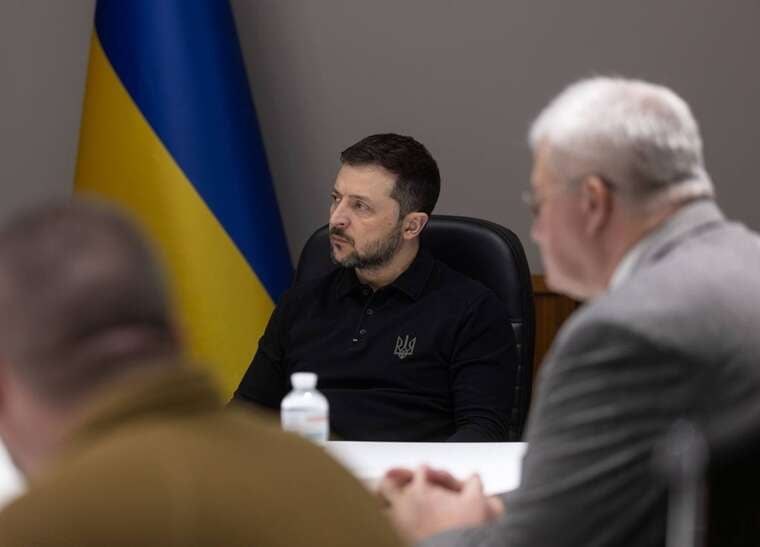
Zelensky links Starshield restrictions for AFU to risk of recognising occupation
Ukrainian President stated that US restrictions on using the Starshield system over occupied territories may indicate the start of recognising these lands as Russian.
Ukrainian President stated that US restrictions on using the Starshield system over occupied territories may indicate the start of recognising these lands as Russian.

British department store chain halts sale of souvenir from 2026 Christmas collection after prolonged correspondence with Tetyana Zakalyuzhna.
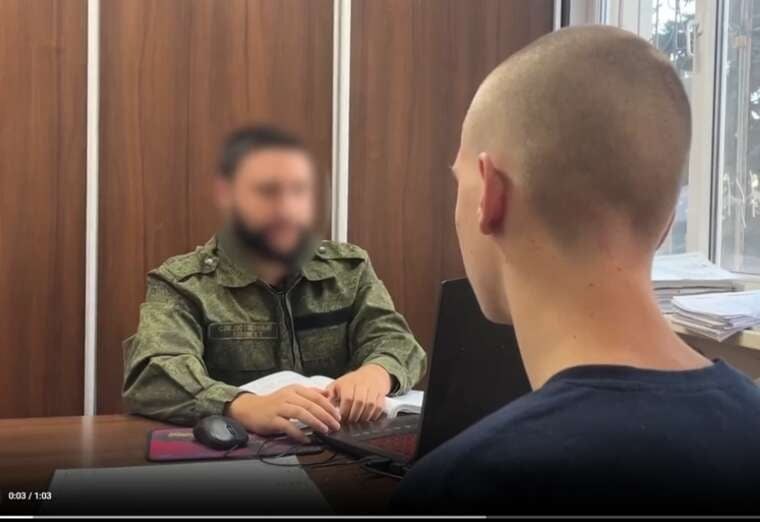
Russian security forces in the temporarily occupied territory of Luhansk region detained a 17-year-old resident of Sievierodonetsk, who is accused of participating in a terrorist organisation and preparing an explosion at an educational institution.
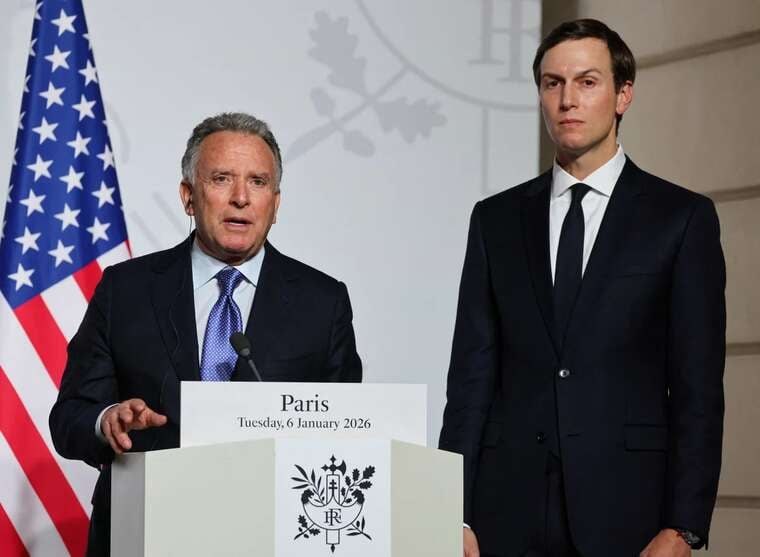
US envoys have completed their visit to the Russian capital and departed for Ireland. In Dublin, they are expected to meet with the President of Ukraine to discuss the next steps in resolving the situation.

Russian occupation forces attacked a scheduled transport vehicle in the Zaporizhzhia district using a drone. According to authorities, 12 to 15 people were inside the cabin.

After a week of mutual accusations, the head of Avtostrada and the head of the Recovery Agency announced a consensus, although key financial and judicial issues remain unanswered.
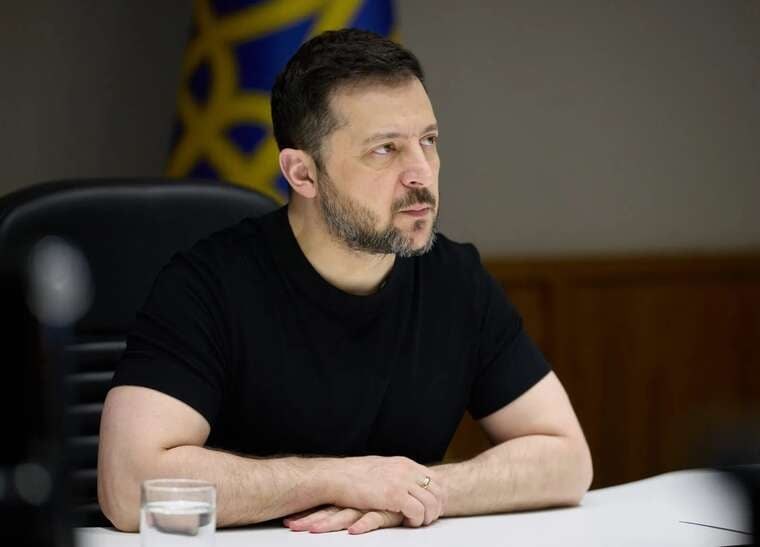
Ukrainian president criticises Washington's idea of including Russia in talks on the continent's future security, emphasising that the conflict arose from Kremlin actions, not historical confrontation.
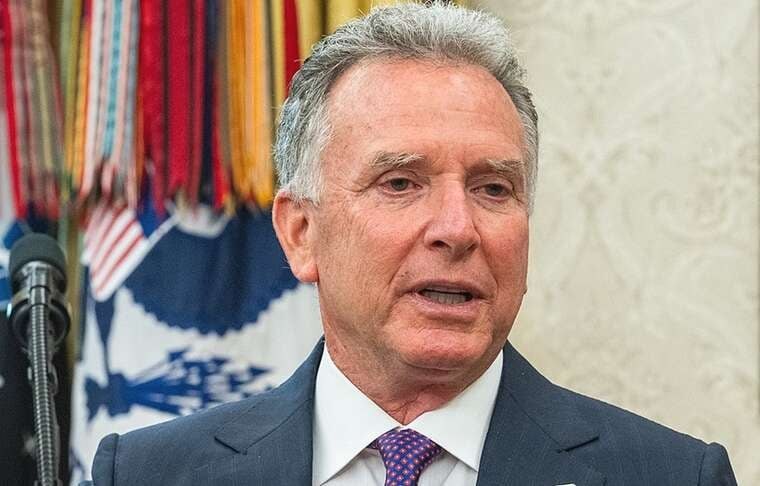
US diplomat Stephen Witkoff announced agreements reached during talks in Moscow, which provide for the involvement of European partners in the next stage of discussions.
Until very recently, the parties to the conflict had been publicly accusing each other of lying. However, according to Maksym Shkil, the situation has changed: Ivan Fedorov, head of the Recovery Agency, gave a "high rating to the work of Avtostrada" (high rating to the work of Avtostrada). The parties agreed to "unite efforts" on the most complex objects for the protection of energy, water supply, and infrastructure, particularly in Kyiv.
To understand the context of the sudden rapprochement, it is worth looking back a week. On 6 November, Shkil stated that the Agency had scuttled the protection of nine "Kyivvodokanal" facilities. According to his version, "Avtostrada" began work without contracts or financing, and then received an oral order to stop. At a meeting on 5 November, Fedorov, according to Shkil, refused to extend the agreement because "there is tension in the relationship with the company 'Avtostrada'" (there is tension in the relationship with the company 'Avtostrada').
The next day, Fedorov responded to the accusations. He claimed that "Avtostrada" had itself refused these works two months earlier. He also noted that the company's winter preparation is the worst: there is only 48% of the required amount of technical salt. "We hear complaints about the distribution of work only from one company — 'Avtostrada'," he stated (We hear complaints about the distribution of work only from one company — 'Avtostrada').
Shkil called Fedorov's words "a lie" (a lie) and hinted that after the arrival of a new head at the Agency, companies linked to Zaporizhzhia had received over 10 billion in contracts. In parallel, he appealed to the Prime Minister demanding the repayment of the debt. According to Shkil, the state owes "Avtostrada" approximately 15 billion.
The National Association of Road Builders publicly sided with Fedorov, an association from which "Avtostrada" had withdrawn back in 2021. The Association stated the need to prevent the monopolisation of the industry, review old contracts, and divide the network into smaller lots.
Confirmation of this agreement from the Agency itself was not found at the time of publication. The "high rating" (high rating) exists only in Shkil's account for now. The week of mutual accusations has ended, but none of the key issues have been closed.
The parties argued over the alleged 15 billion debt, but the public calculation, contracts, and acts remain unpublished. Shkil claims 15 completed engineering protection facilities, but no public audit of these works — cost, estimates, quality — was found. The State Audit Office had inspected the Agency, but it concerned bridges in Kyiv and Chernihiv regions, and "Avtostrada" is not mentioned there.
As early as 2024, the government stopped financing "Avtostrada" projects for building shelters for energy facilities, and the reasons for this were never publicly explained. The Vinnytsia Road Service is currently part of Fedorov's Agency system. On 27 June 2025, the appellate court finally ruled that in the R-08 tender worth 3.76 billion, "Avtostrada's" bid should have been rejected, and the demand to terminate the contract "is subject to enforcement" (is subject to enforcement). Whether this decision has been carried out remains unknown.
It also remains unclear who ran the campaign in media and Telegram during these days, and at whose expense. Some publications write about hundreds of thousands of dollars, but there is no independent confirmation of these amounts.
A public quarrel that ends with a quiet deal and provides no answers about money resembles not a conflict, but a smokescreen. The scandal has served its purpose: both sides have shown that they can harm each other — politically and, above all, financially. After that, it turned out to be more beneficial to make a deal than to fight.
The taxpayer has gained nothing from this "war". No audit, no debt calculation, no enforcement of the court decision, and no explanations of where the billions for energy protection went. Money loves silence. Our task is to ensure there is none.
Comments
No comments yet. Be the first!