
Powerful storm paralyses New York and New Jersey: over 2,000 flights delayed
Extreme weather with winds up to 110 km/h caused road flooding and power line outages in the US. A state of emergency was declared in two states.
Extreme weather with winds up to 110 km/h caused road flooding and power line outages in the US. A state of emergency was declared in two states.
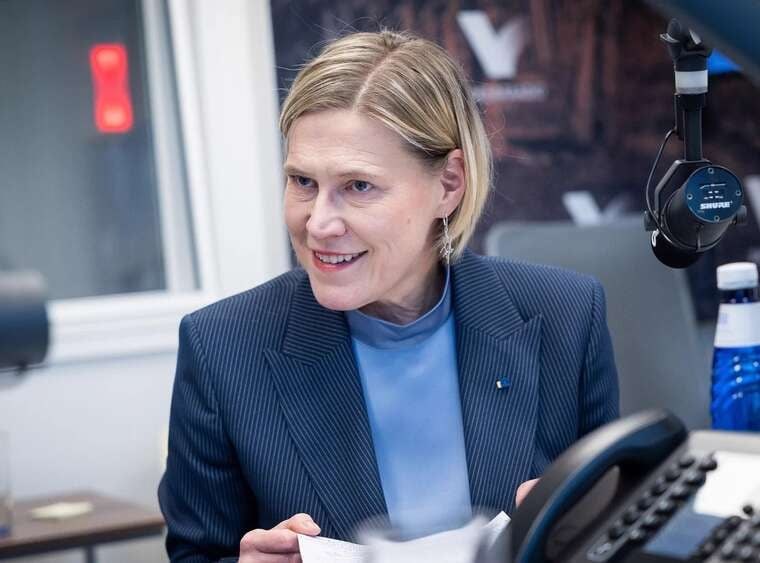
The President of Estonia emphasised the need for a humane approach to border crossings for individuals with valid reasons, despite the government's decision.

The enemy shelled 22 settlements and 15 communities, damaging residential buildings and infrastructure. In Glukhov, a drone hit an apartment block, injuring a resident.
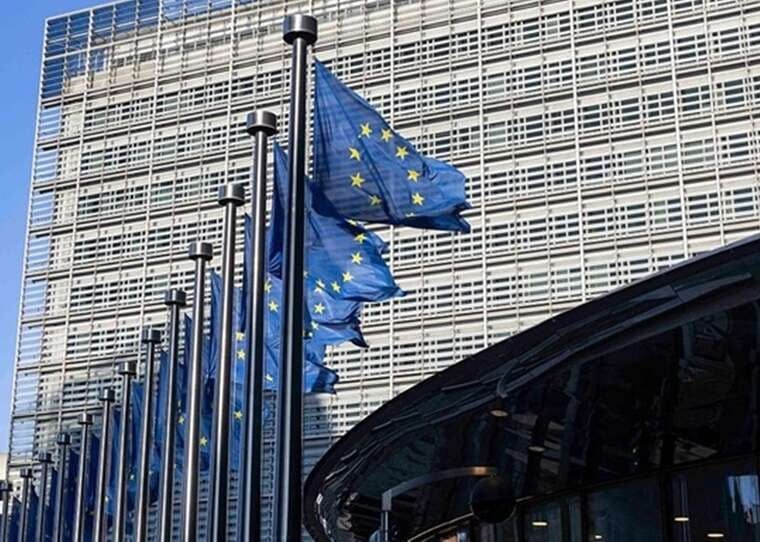
EU leaders show growing determination in confrontation with Donald Trump's administration, believing they have nothing left to lose on taxing tech giants and funding Kyiv.
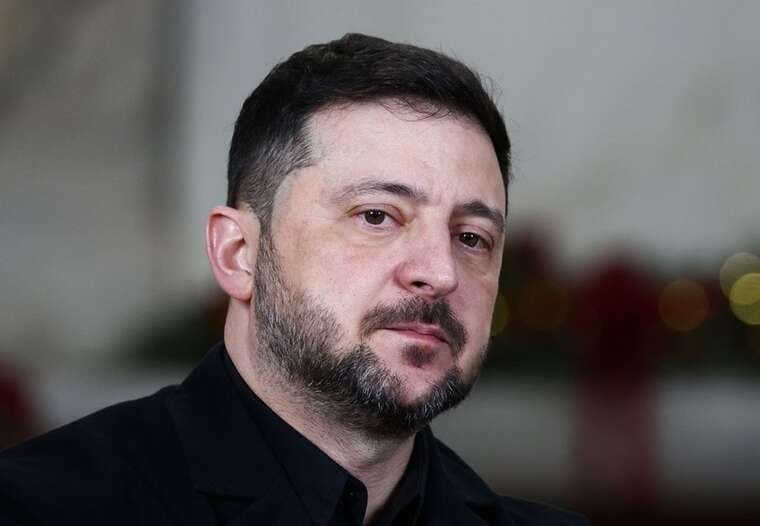
Ukrainian President confirms independence of anti-corruption bodies from the Presidential Office and answers BBC journalist's question about a character mentioned in case materials.
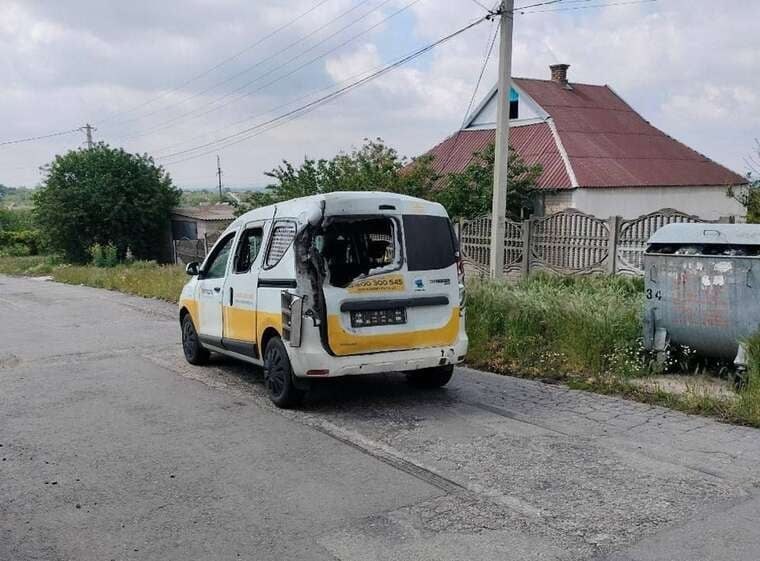
A nighttime strike by a Russian UAV caused damage to private property in the city of Dergachi. There are no casualties among the civilian population.
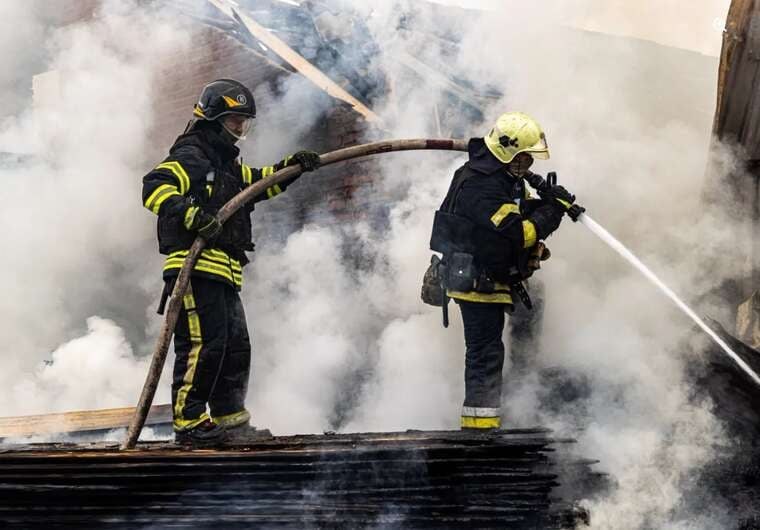
On 27 November, Russian occupiers attacked Dnipro using a drone. A 74-year-old woman was hospitalised in a critical condition.
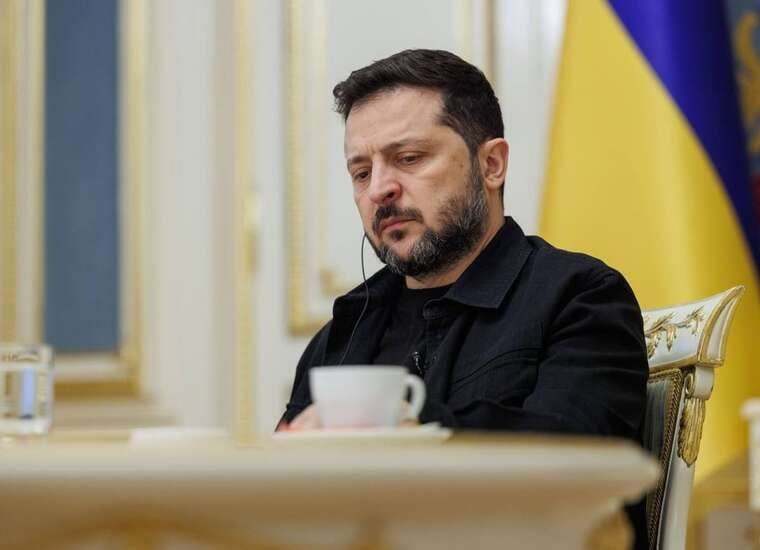
President reported on talks with European and other partners regarding the supply of additional weapons packages. This concerns strengthening the protection of Ukrainian infrastructure from Russian attacks.
European leaders are demonstrating a growing readiness for open confrontation with Washington. The main arenas for the dispute are becoming the introduction of a digital tax, the terms of defence procurement, and the scale of funding for Ukraine. As European officials note, Brussels believes it has nothing left to lose in this dialogue with the US.
According to the draft seven-year EU budget proposed by European Council President António Costa, a levy is envisaged on companies with global turnover exceeding €750 million, of which €50 million falls on the European market. Potential payers of this tax could include tech giants such as Google, Meta, and Amazon.
French President Emmanuel Macron emphasised that his country has supported this initiative since 2018. He stressed that Europe has the "full right" to introduce such a taxation mechanism. According to Macron, the US is not complying with international tax agreements adopted within the framework of the OECD.
Meanwhile, the US State Department stated that it opposes a pan-European levy. Bernd Lange, head of the European Parliament's trade committee, predicts "certain problems" in relations with Washington due to this decision.
The position on the digital tax is not uniform among all member states of the bloc. Sweden opposes the creation of new own resources for the EU, Ireland resists the introduction of the tax, and Luxembourg expresses certain reservations.
In addition to tax issues, the budget draft enshrines the principle of "European priority" in the defence and space sectors. This decision effectively excludes American companies from participating in contracts funded by the EU budget. Washington has already criticised this idea: according to a document circulated in September, such measures "weaken the competitiveness and security" of the EU.
Romania also expressed concern about restricting access to American technologies. Defence Minister Ştefan-Radu Oprea stated: "We need American technologies in Europe." However, according to the publication, such public protests are rather the exception than the rule.
Diplomats and MPs explain the growing rigidity of the EU's position by the Republican Party's defeat in the US midterm elections, as well as years of trade wars and disputes over support for Ukraine.
"Americans are paying the price for being so aggressive towards us. If we do not do this, we will pay anyway," an anonymous EU diplomat stated.
Another European diplomat added: "We have little support for Ukraine. We had to agree to an unbalanced trade deal. They are still pressing hard. So what do we have to lose?"
During a conversation on 19 November, Donald Trump, according to three European officials, complained about "throwing billions" at weapons and money for Ukraine. EU leaders barely reacted to these complaints. Currently, they are considering allocating a new loan of €45 billion for 2027. The total EU budget provides €100 billion for Ukraine, and officials are already discussing possible additional loans.
Comments
No comments yet. Be the first!