Export volume growth amid domestic processing
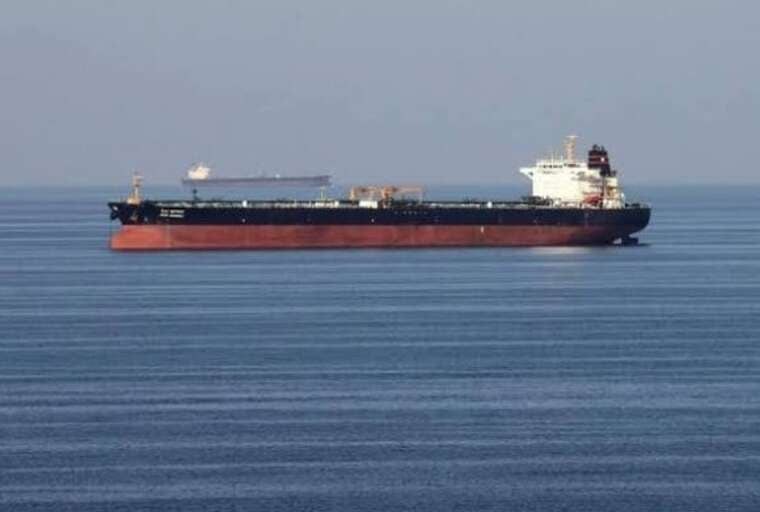
According to Bloomberg data, Russia increased seaborne crude oil supplies to 3.65 million barrels per day. This figure was recorded for the four weeks leading up to 1 November and exceeds the previous comparable period by 60,000 barrels. The value of flows from these supplies reached $2.66 billion per week, as 38 tankers loaded approximately 28 million barrels of oil in the last seven days.
Impact of the temporary pause in attacks
The export growth was made possible by a temporary lull in Ukrainian strikes on Russian refineries in October. Typically, attacks force Moscow to redirect unprocessed raw materials for export, while pauses allow for repairs and the utilisation of domestic capacity. The previous two-week lull coincided with Donald Trump's call to stop the strikes, which he blamed for rising global diesel fuel prices.
Return of activity and new strikes
The pause ended at the end of last week. Ukrainian drones struck at least four refineries, including in Novokuybyshevsk, Ufa, Kstovo, and Yaroslavl. In addition, on 2 November, a drone attack damaged an oil pumping station in Samara, which is a key node in the pipeline network. This led to a temporary halt in the pumping of Kazakh oil towards the Black and Baltic Seas, although transit was quickly restored.
Geography of supplies
China and India remain the main buyers of Russian oil, although a significant portion of tankers indicate only intermediate destinations, such as Suez or Singapore. Meanwhile, a reduction in supplies to the Mediterranean region is observed: exports to Turkey fell to 80,000 barrels per day, and supplies to Syria ceased entirely following its agreements with the US on lifting sanctions.








Comments
No comments yet. Be the first!