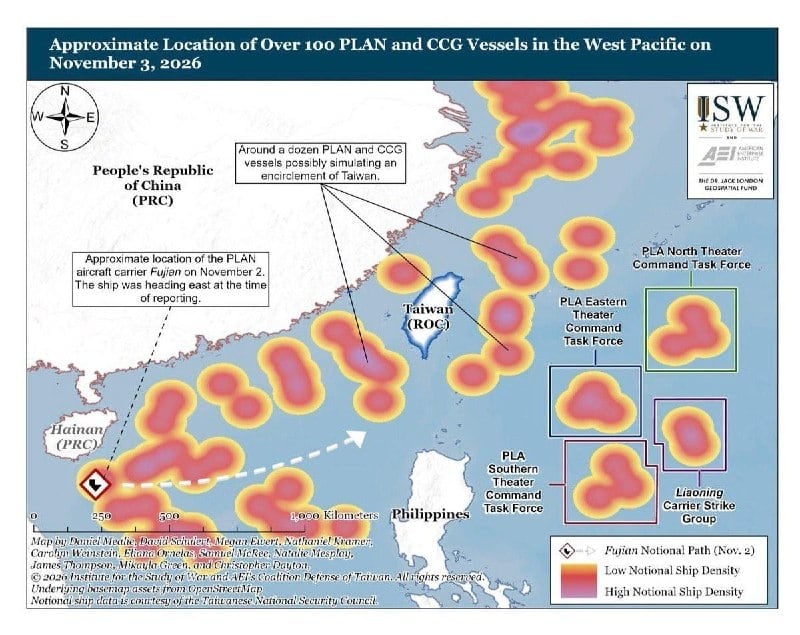
China deploys over 100 ships in the western Pacific without warning
The PLA Navy has deployed a fleet from Taiwan to Guam, exceeding the scale of last year's exercises. Experts link this to rehearsing the island's isolation from external aid.
The PLA Navy has deployed a fleet from Taiwan to Guam, exceeding the scale of last year's exercises. Experts link this to rehearsing the island's isolation from external aid.
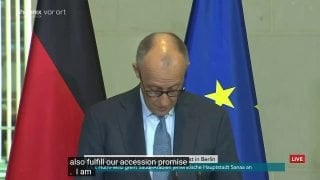
The German Chancellor emphasised the need for a guaranteed membership perspective for Ukraine and Moldova, and called on European countries to increase pressure on Russia.
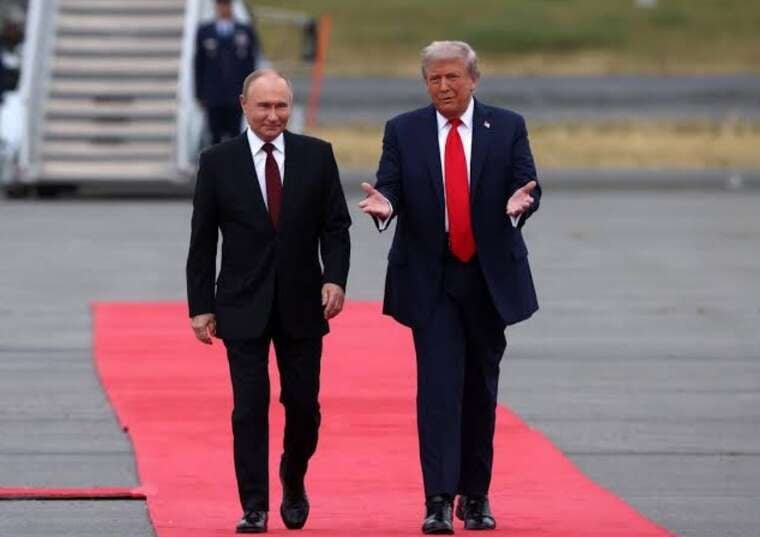
US Secretary of State Marco Rubio stated that Washington is preparing a meeting of the leaders of the US, Russia and China, where issues of nuclear deterrence are planned to be discussed.
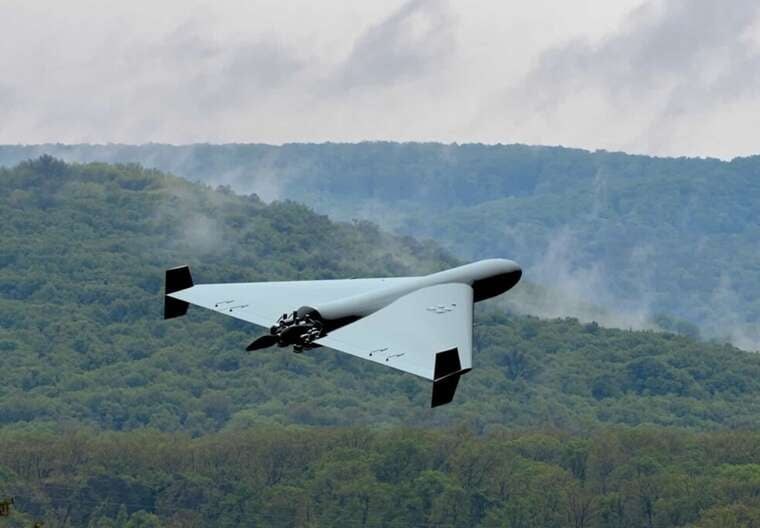
Russian troops struck a strategic transport hub in Odesa Oblast, using more than ten units of aviation ordnance.
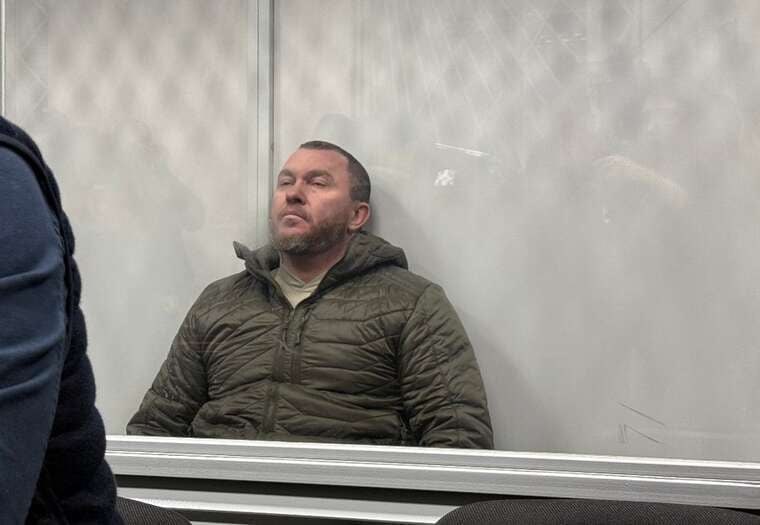
The arrested SBU major general stated that his detention is linked to last year's searches at NABU. He described contacts with the Khimprom group as part of intelligence agency operational work.
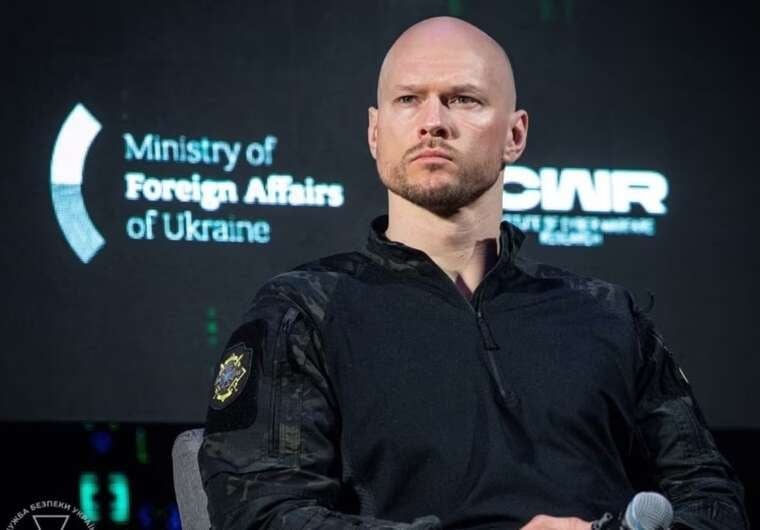
The High Anti-Corruption Court rejected the motion by Illia Vityuk's lawyers for additional time to review case materials and to return the indictment.
Dnipropetrovsk Regional Military Administration reported two deaths following a Russian military attack on a facility that is part of the city's critical infrastructure.
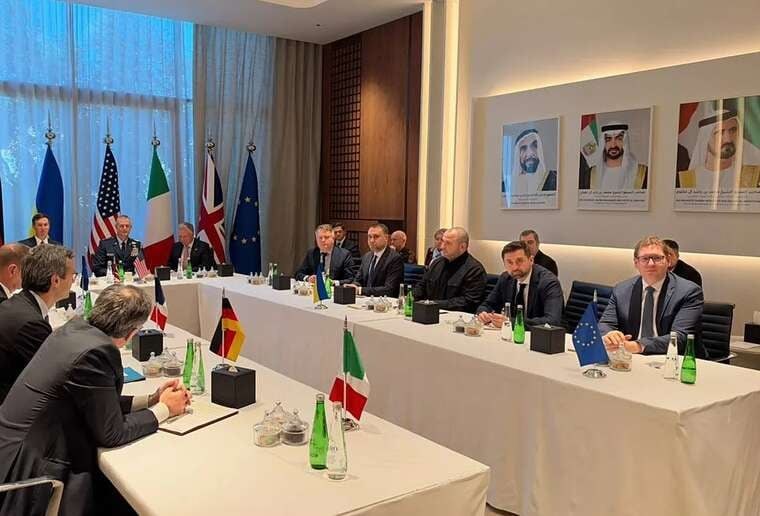
During negotiations in the UAE, Kyiv stressed the need for a preliminary ceasefire before discussing a new security architecture for the continent.
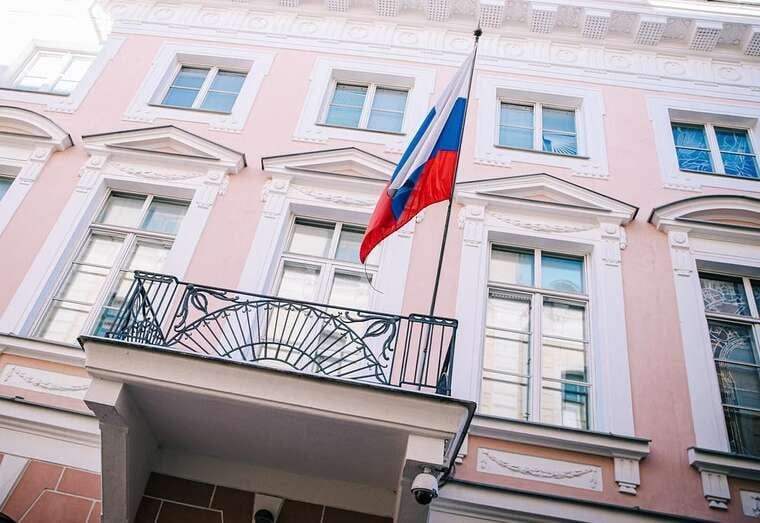
The governments of Estonia, Latvia, Lithuania and Poland sent a collective appeal to the European Commission. In the document, the four states call for the termination of bilateral investment treaties (BITs) with Russia. Currently, such agreements remain in force in 17 European Union member states.
As reported by the Estonian Ministry of Foreign Affairs, BITs are international treaties that establish rules for mutual investments between parties. However, according to representatives of the Baltic states and Poland, reality tells a different story: these mechanisms have turned into a tool for Moscow to influence EU policy in its own interests.
The statement emphasises that the existence of these agreements threatens the economic security of the European Union as a whole. In particular, the treaties contain clauses that stimulate investment activity in Russia and grant the right to individuals subject to sanctions to file claims against EU member states and the EU as a whole in international courts.
Estonian Foreign Minister Margus Tsahkna stressed that the priority for the Union must be maintaining the international isolation of Russia without any concessions.
«Договори з Росією, що діють на даний час, у сьогоднішній геополітичній ситуації більше не можна розглядати виключно як договори, укладені для захисту інвестицій. Країни-члени укладали угоди про захист інвестицій у той час, коли ще не усвідомлювали, що Росія становить довгострокову загрозу безпеці для всієї Європи. Ці угоди є прихованим каналом, що дозволяє Росії впливати на політику та економіку країн-членів через компанії. Ми не повинні дозволяти Росії впливати на політичні рішення Європейського Союзу через ці угоди» (Treaties with Russia that are currently in force can no longer be viewed solely as treaties concluded for the protection of investments in today's geopolitical situation. Member states concluded investment protection agreements at a time when they did not yet realise that Russia poses a long-term security threat to all of Europe. These agreements are a hidden channel that allows Russia to influence the politics and economy of member states through companies. We must not allow Russia to influence the political decisions of the European Union through these agreements), Tsahkna said.
The initiators of the appeal called on the European Commission and member states to develop a joint action plan to resolve this issue, which would be aligned with the EU's overall policy towards Russia.
«Європа має стати ще сильнішою, і це передбачає звільнення від впливу Росії» (Europe must become even stronger, and this entails freeing itself from Russian influence), the minister added.
Official Tallinn notes that Estonia has never signed such agreements with the Russian Federation. The initiating countries expect a solution to be found in the first quarter of 2027.
Comments
No comments yet. Be the first!