
Done's Schemes: How Ukrainian Hryvnia Turns into Swiss Francs via Importers
Investigation reveals a network of companies where funds are collected in Ukraine, converted into foreign currency, and transferred to Swiss Done Switzerland AG.
Investigation reveals a network of companies where funds are collected in Ukraine, converted into foreign currency, and transferred to Swiss Done Switzerland AG.

Taras Vysotsky stated that alternative logistics corridors provide only 45% of the required volumes, threatening the loss of a significant portion of the harvest.
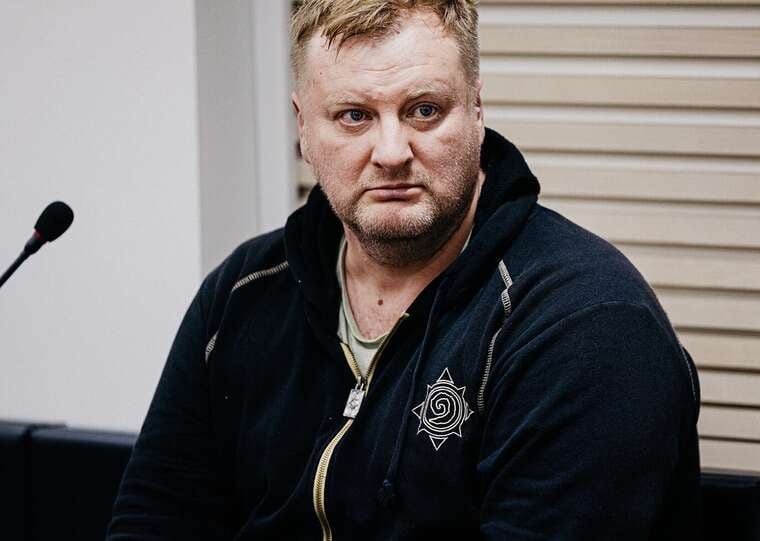
Lead State Prosecutor Taavi Pern confirmed that the activist was aware of the criminal liability for his actions, having contacted individuals who already had convictions for similar offences.

Investigators uncovered a scheme for the misappropriation of military property organised by the deputy commander of the unit. The process was later overseen by an SBU counter-intelligence officer assigned to the unit.
A representative of the ATB chain dispelled rumours about warehouse destruction, explaining that the buckwheat shortage is due to the cessation of supplies, while the disappearance of sugar is temporary.

European experts warn that restrictions on US diesel exports could become a trigger for a historic rise in prices on the continent.
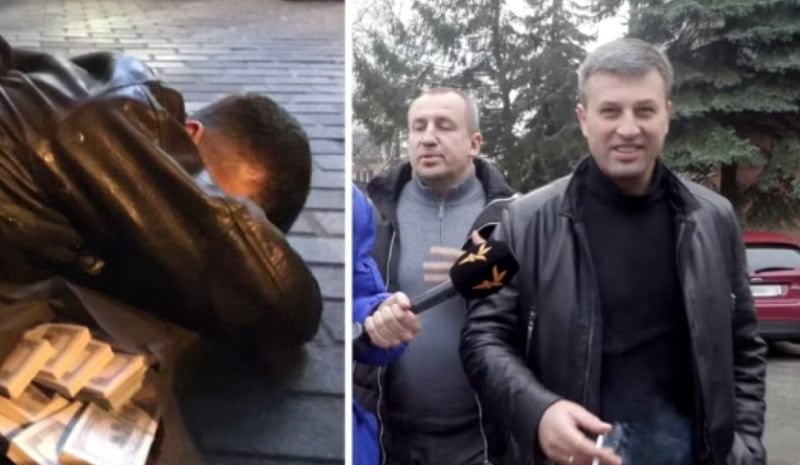
Shevchenkivskyi District Court of Kyiv found two former prosecutors not guilty of demanding $150,000 to close a case.
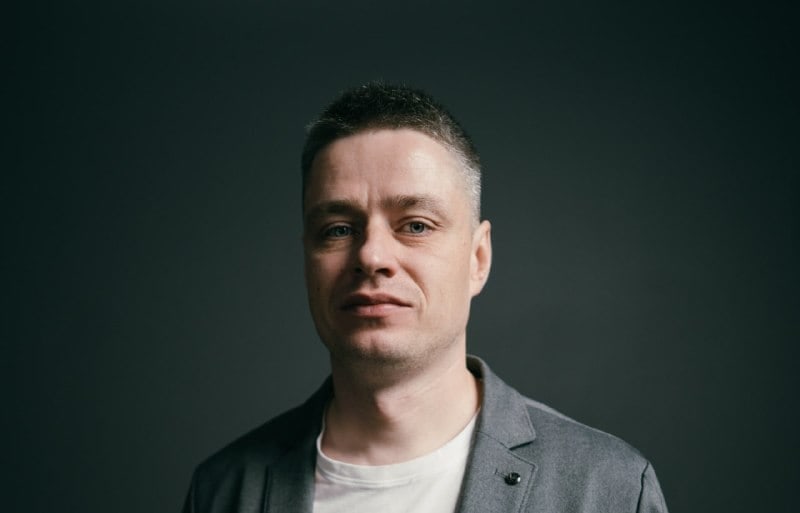
Investigation revealed that custodian company Trustee Plus has legally ceased to exist, while customers face fund blocking under the pretext of audits.
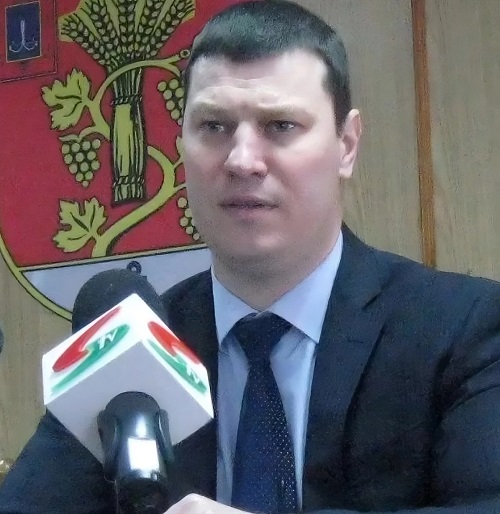
Judges, lawyers and officials helped avoid mobilisation for $3,500
Law enforcement agencies in Odesa region have uncovered a large-scale criminal scheme that enabled military-liable men to leave the country illegally and obtain deferment from mobilisation.
An organised group, comprising judges, lawyers and court staff, issued fictitious court rulings that provided clients with a legal basis for leaving the country.
The scheme involved the mass issuance of rulings stating that a military-liable man was raising a child alone. Under Ukrainian legislation, such individuals are entitled to deferment from mobilisation and may leave the country.
According to the National Anti-Corruption Bureau of Ukraine (NABU), the cost of the "service" was $3,500. Court hearings were held without the parties present, and the final document granted the client the right to travel abroad. Investigators have already identified 1,040 such rulings issued by participants in the scheme.
To conceal their activities, the criminal group set up a shadow office in one of the law firms, where meetings with potential clients were held. Services for obtaining deferment from mobilisation were actively advertised on social media.
During in-person meetings, participants in the scheme explained to conscripts how to obtain forged rulings and discussed the cost of the services.
According to journalist Oleg Novikov, the organiser of the scheme is believed to be Valentin Zaveryukha, head of the Bilhorod-Dnistrovskyi court. Other suspects include:
Suspicions have been brought against 17 participants in the scheme in total.
During searches of the court building, law offices and the homes of the suspects, documents, electronic storage media and mobile phones containing evidence of illegal activities were found.
The actions of the suspects have been classified under several articles of the Criminal Code of Ukraine:
Three judges have already received disciplinary sanctions and are awaiting a decision on their dismissal.
The operation by the NABU, the Specialised Anti-Corruption Prosecutor's Office (SAP) and the Security Service of Ukraine (SBU) lasted more than a year. The first evidence of criminal activity was recorded as early as January 2024, when one of the judges was handed a bribe for issuing a "convenient" ruling.
Despite this, the group continued its activities, and new crimes were documented in the summer and autumn of 2024. In February 2025, investigators gathered sufficient evidence to classify the actions of the scheme's participants as organised criminal activity.
Comments
No comments yet. Be the first!