
Criminals demand $768m to keep Revolut client data undisclosed
Personal and financial data of users, including the owner of Gamdom and Skins.com, may have been leaked following a cyberattack on the British fintech bank.
Personal and financial data of users, including the owner of Gamdom and Skins.com, may have been leaked following a cyberattack on the British fintech bank.
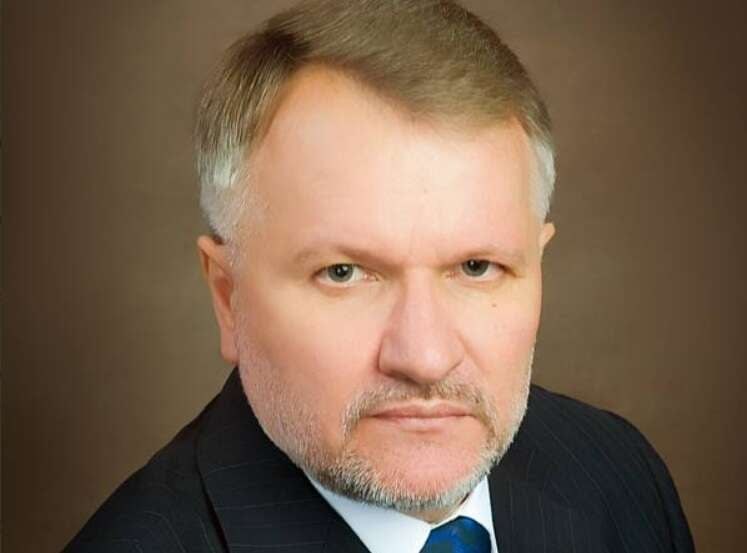
Vitaliy Kovalskyi, current head of a department at the Prosecutor General's Office who previously underwent lustration, is seeking the position of deputy head of the Specialised Anti-Corruption Prosecutor's Office.
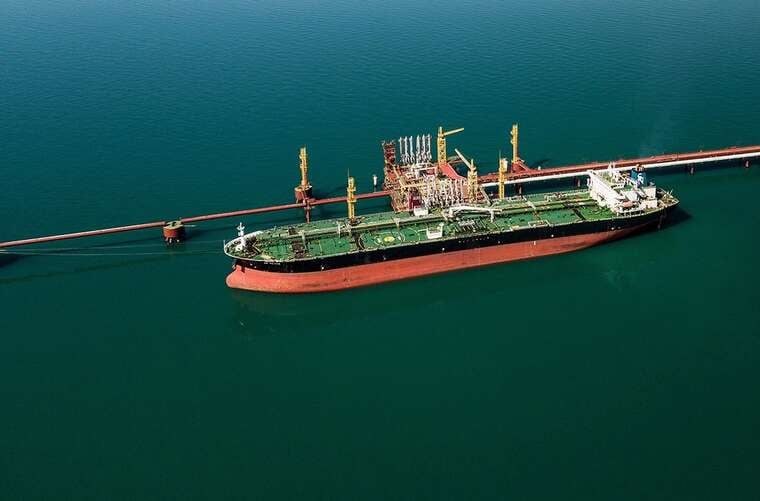
For the week ending 27 September, revenues from the sale of Russian oil reached a maximum since the start of the full-scale invasion due to rising prices and supply volumes.
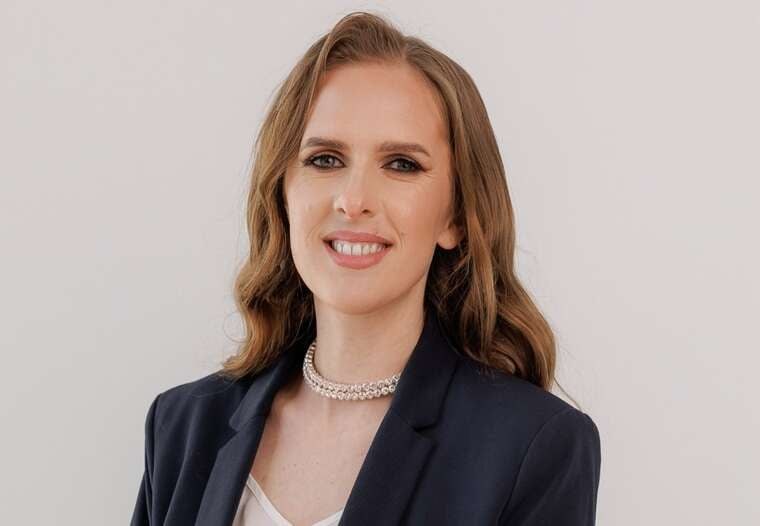
Larysa Moskviska, who presents herself as a financial planning expert, publishes content for the scandal-hit KIT Group, whose activities were restricted by the National Bank of Ukraine.
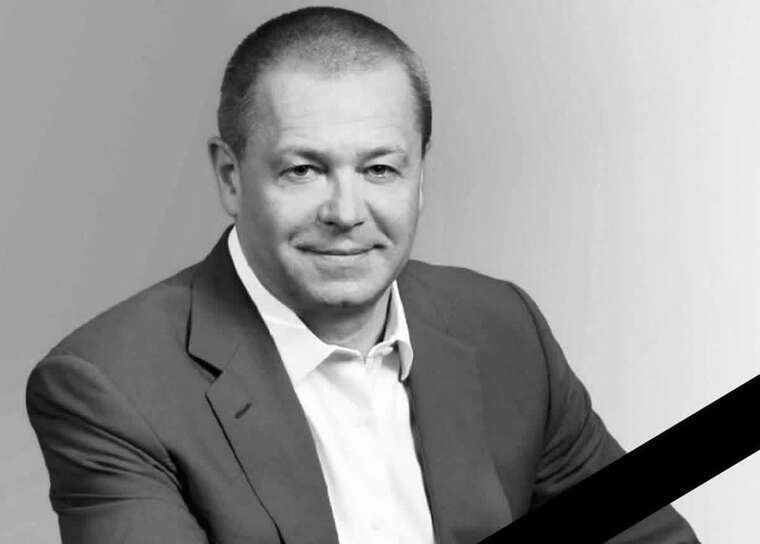
The politician died at the age of 61 in a road traffic accident. He served as the director of the "Klass" supermarket chain in Kharkiv.
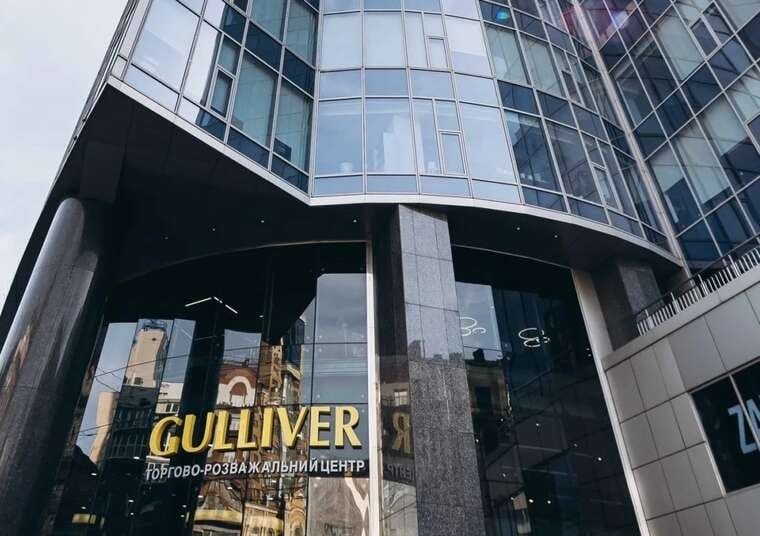
Oschadbank and Ukreximbank have announced a stock exchange auction for the disposal of a large office and retail complex in Kyiv, previously seized due to debts.

Law enforcement detained 17 individuals who sold vapes containing narcotics through "Bob Marley" venues and online stores, disguising them as legal supplements.

According to the authors of the publication, an establishment providing intimate services may be operating in the Delmar residential complex in central Dnipro. It concerns an apartment on the 15th floor of the building at 72B Dmytro Yavornytskoho Avenue.
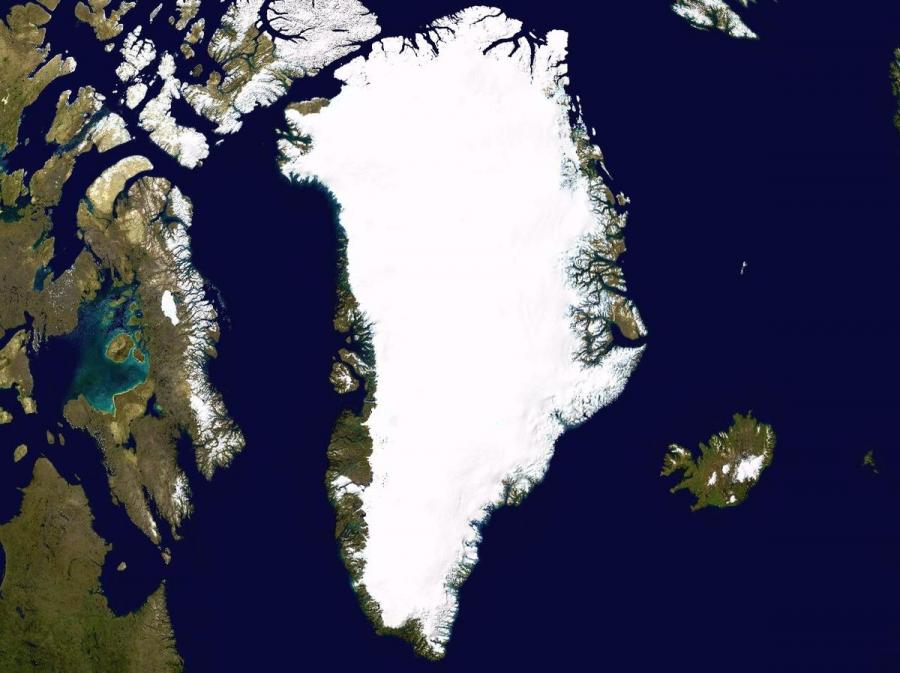
Donald Trump, the US President, held a tense phone call with Danish Prime Minister Mette Frederiksen, during which he persistently demanded the transfer of Greenland to US jurisdiction. This is reported by Financial Times, citing information from five current and former senior European officials.
The publication's sources described the conversation as extremely tense and noted Trump's aggressive and ultimatum-like tone. The US President showed no interest in Denmark's proposals for developing cooperation within NATO or other allied initiatives, focusing exclusively on the issue of transferring Greenland.
According to sources, the conversation ended "very badly". Trump's manner of communication caused bewilderment and concern in Danish government circles.
Initially, Trump's statements about Greenland were viewed by European officials as a tool for increasing US influence over the NATO country. However, according to Financial Times, against the backdrop of his recent actions, more and more diplomats are beginning to believe that the President is genuinely aiming for the annexation of the planet's largest island.
Some experts link Trump's interest to the geopolitical significance of Greenland, its abundant natural resources, and its strategic location in the Arctic.
Prime Minister Mette Frederiksen previously called the idea of selling Greenland "absurd", which, according to observers, could also have been a factor exacerbating the tension. In Copenhagen, it has been repeatedly emphasised that Greenland, which has autonomous status, remains an integral part of the Kingdom of Denmark.
If the US continues to apply pressure, it could trigger a serious diplomatic crisis, analysts believe. An attempt to annex such a large-scale object could lead to a global review of Arctic policy, intensified competition with Russia and China, and a undermining of trust within NATO.
Comments
No comments yet. Be the first!