
Criminals demand $768m to keep Revolut client data undisclosed
Personal and financial data of users, including the owner of Gamdom and Skins.com, may have been leaked following a cyberattack on the British fintech bank.
Personal and financial data of users, including the owner of Gamdom and Skins.com, may have been leaked following a cyberattack on the British fintech bank.
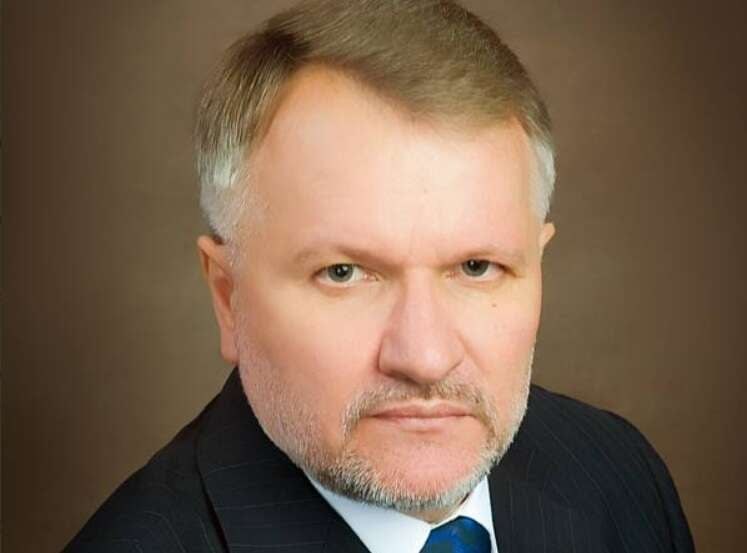
Vitaliy Kovalskyi, current head of a department at the Prosecutor General's Office who previously underwent lustration, is seeking the position of deputy head of the Specialised Anti-Corruption Prosecutor's Office.

For the week ending 27 September, revenues from the sale of Russian oil reached a maximum since the start of the full-scale invasion due to rising prices and supply volumes.
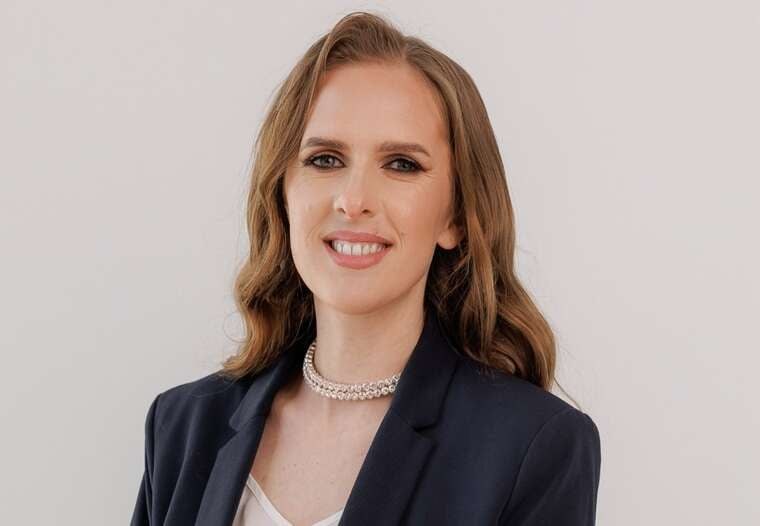
Larysa Moskviska, who presents herself as a financial planning expert, publishes content for the scandal-hit KIT Group, whose activities were restricted by the National Bank of Ukraine.
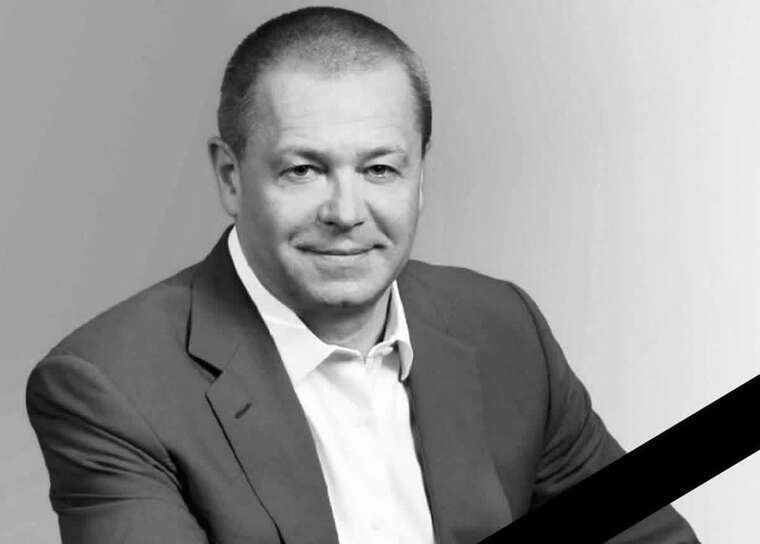
The politician died at the age of 61 in a road traffic accident. He served as the director of the "Klass" supermarket chain in Kharkiv.
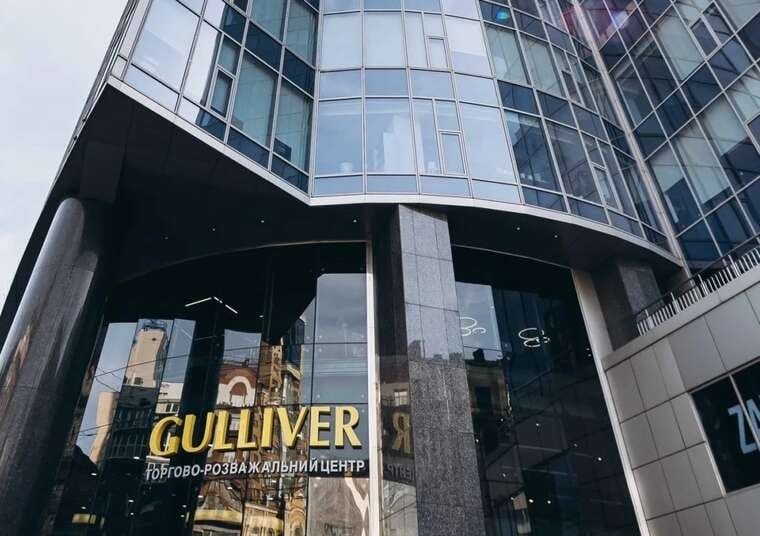
Oschadbank and Ukreximbank have announced a stock exchange auction for the disposal of a large office and retail complex in Kyiv, previously seized due to debts.

Law enforcement detained 17 individuals who sold vapes containing narcotics through "Bob Marley" venues and online stores, disguising them as legal supplements.

According to the authors of the publication, an establishment providing intimate services may be operating in the Delmar residential complex in central Dnipro. It concerns an apartment on the 15th floor of the building at 72B Dmytro Yavornytskoho Avenue.

US President Donald Trump signed a new executive order aimed at the immediate deportation of foreign students found supporting terrorist organisations such as Hamas and Hezbollah, or calling for violent actions, including the intifada, on US soil.
The new document is part of the Trump administration's efforts to strengthen national security. According to the order, any expression of support for terrorist groups or calls for violence by foreign students will be met with immediate deportation. Moreover, the procedure excludes the right to appeal, making the measures particularly strict.
The administration explains that the decision is driven by the need to prevent radicalisation in American universities, where citizens from many countries study. "We must protect our people from potential threats coming from within," a White House representative stated.
However, the order has sparked fierce debate in society and academic circles. Many experts in law and education see the new law as a threat to freedom of speech and expression. Human rights organisations warn of the potential for unlawful application of the order and discrimination on ethnic and religious grounds.
Some lawyers point to the risk that students expressing their political views, even if not linked to violent actions, may fall under the category of "supporting terrorism". There are also concerns that such measures could turn against the US those who previously viewed the country as a bastion of academic freedom and tolerance.
Nevertheless, the presidential administration emphasises that the new executive order is a necessary step to protect the country. According to official representatives, such measures are directed exclusively against individuals who pose a real threat to national security. "This is not a matter of suppressing freedom of speech, but of preventing radicalisation and ensuring the safety of American citizens," one White House representative noted.
Comments
No comments yet. Be the first!