
Done's Schemes: How Ukrainian Hryvnia Turns into Swiss Francs via Importers
Investigation reveals a network of companies where funds are collected in Ukraine, converted into foreign currency, and transferred to Swiss Done Switzerland AG.
Investigation reveals a network of companies where funds are collected in Ukraine, converted into foreign currency, and transferred to Swiss Done Switzerland AG.

Taras Vysotsky stated that alternative logistics corridors provide only 45% of the required volumes, threatening the loss of a significant portion of the harvest.
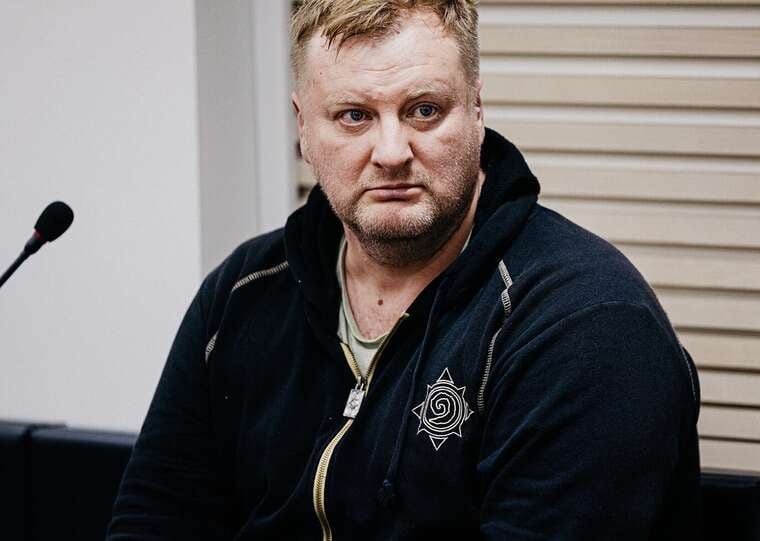
Lead State Prosecutor Taavi Pern confirmed that the activist was aware of the criminal liability for his actions, having contacted individuals who already had convictions for similar offences.

Investigators uncovered a scheme for the misappropriation of military property organised by the deputy commander of the unit. The process was later overseen by an SBU counter-intelligence officer assigned to the unit.
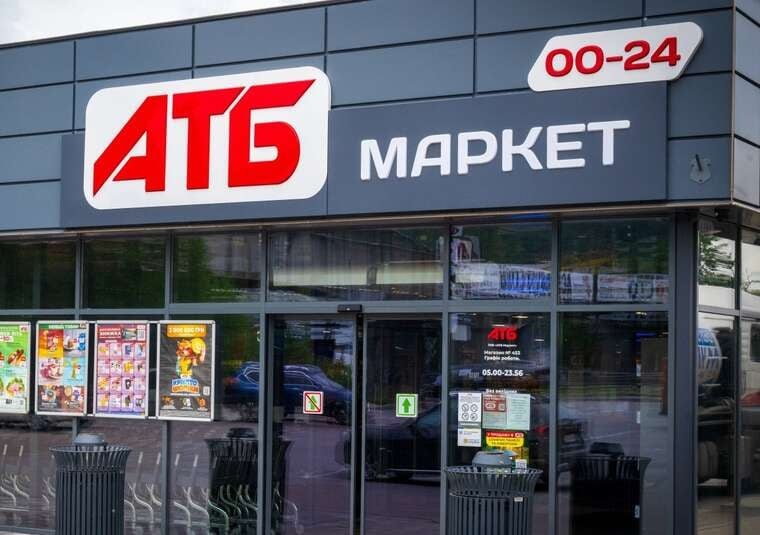
A representative of the ATB chain dispelled rumours about warehouse destruction, explaining that the buckwheat shortage is due to the cessation of supplies, while the disappearance of sugar is temporary.

European experts warn that restrictions on US diesel exports could become a trigger for a historic rise in prices on the continent.

Shevchenkivskyi District Court of Kyiv found two former prosecutors not guilty of demanding $150,000 to close a case.
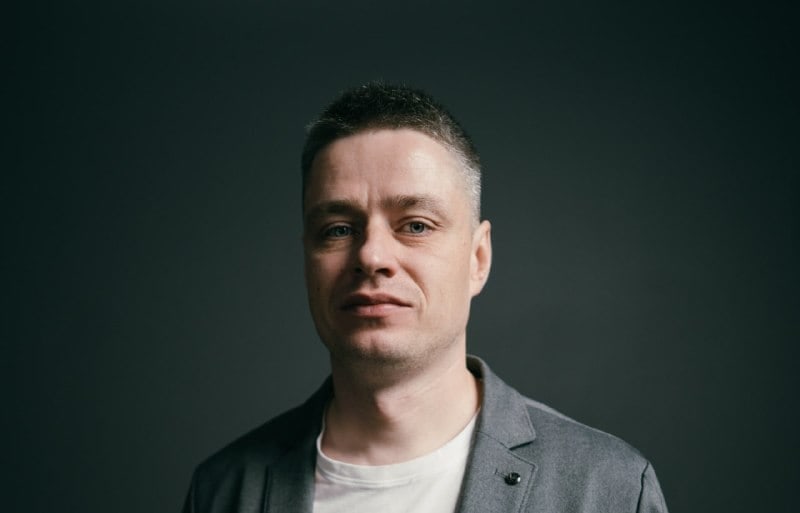
Investigation revealed that custodian company Trustee Plus has legally ceased to exist, while customers face fund blocking under the pretext of audits.
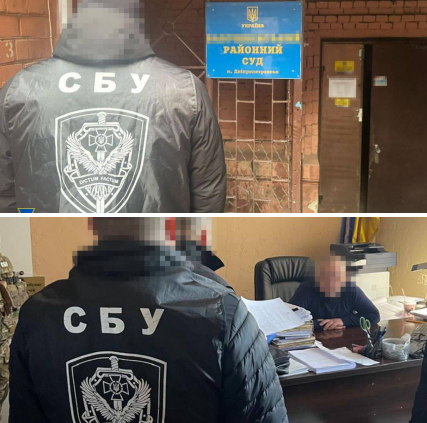
Ihor Kondrashov, a judge at the Babushkinsky District Court in Dnipro, has become the centre of a major scandal linked to the illegal acquisition of an apartment. An operational investigation by the Security Service of Ukraine (SBU) and the State Bureau of Investigation (SBI) revealed how the judge, exploiting his official position, committed fraud by making someone else's apartment his own.
It all began when Kondrashov rented an apartment but failed to pay for it for six months. He then resorted to radical measures — forging documents and "purchasing" the property for 412,000 hryvnia. To substantiate his actions, he filed a lawsuit with a forged promissory note from the alleged property owner and, leveraging his status, won the case via a default judgment.
Following the investigation, law enforcement officers found computers, mobile phones and other records in the judge's possession that prove his involvement in the fraudulent scheme. All these materials became key evidence in the case.
The judge now faces up to 12 years in prison with the confiscation of property. The investigation is currently ongoing with the aim of returning the apartment to its lawful owner.
Comments
No comments yet. Be the first!