
Criminals demand $768m to keep Revolut client data undisclosed
Personal and financial data of users, including the owner of Gamdom and Skins.com, may have been leaked following a cyberattack on the British fintech bank.
Personal and financial data of users, including the owner of Gamdom and Skins.com, may have been leaked following a cyberattack on the British fintech bank.
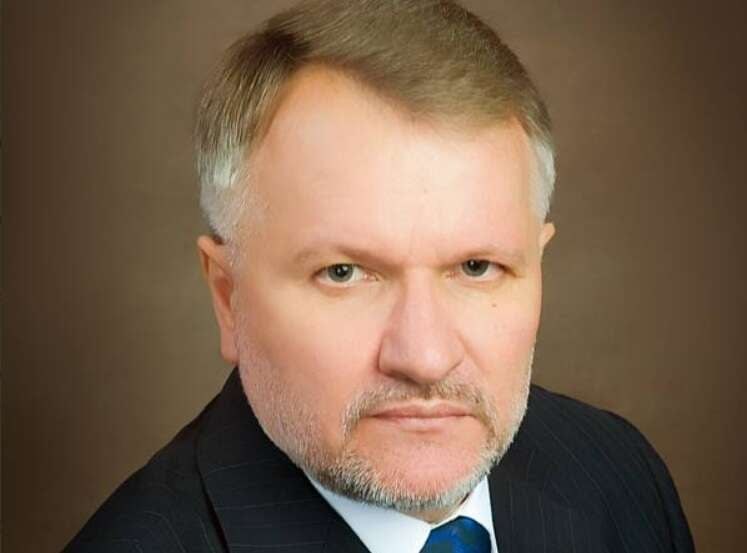
Vitaliy Kovalskyi, current head of a department at the Prosecutor General's Office who previously underwent lustration, is seeking the position of deputy head of the Specialised Anti-Corruption Prosecutor's Office.

For the week ending 27 September, revenues from the sale of Russian oil reached a maximum since the start of the full-scale invasion due to rising prices and supply volumes.

Larysa Moskviska, who presents herself as a financial planning expert, publishes content for the scandal-hit KIT Group, whose activities were restricted by the National Bank of Ukraine.
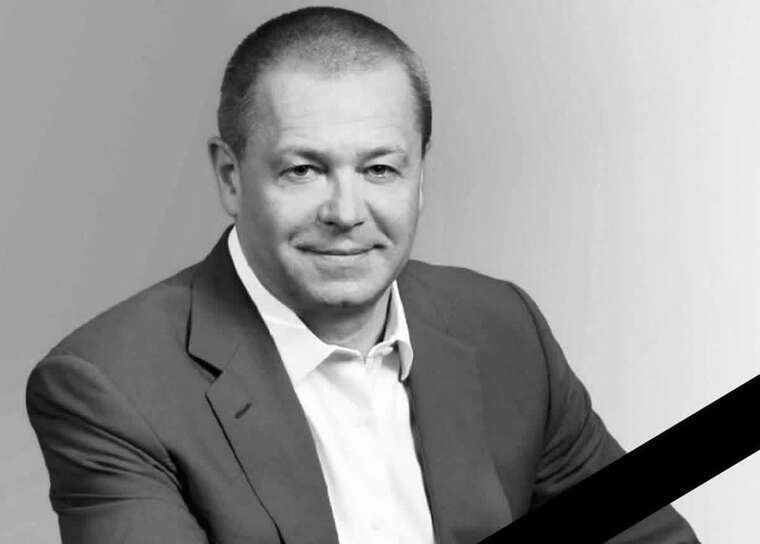
The politician died at the age of 61 in a road traffic accident. He served as the director of the "Klass" supermarket chain in Kharkiv.
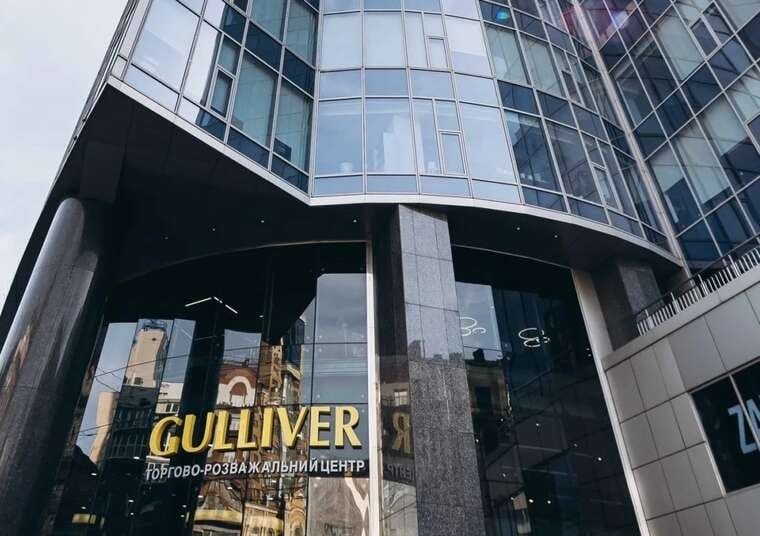
Oschadbank and Ukreximbank have announced a stock exchange auction for the disposal of a large office and retail complex in Kyiv, previously seized due to debts.

Law enforcement detained 17 individuals who sold vapes containing narcotics through "Bob Marley" venues and online stores, disguising them as legal supplements.

According to the authors of the publication, an establishment providing intimate services may be operating in the Delmar residential complex in central Dnipro. It concerns an apartment on the 15th floor of the building at 72B Dmytro Yavornytskoho Avenue.

Inna Bilous, a judge at the High Anti-Corruption Court (HACC), has come under scrutiny due to her activities during the Revolution of Dignity. In 2013, she issued rulings banning local Maidan actions, including the one in Ternopil, which was the second largest after Kyiv. Despite these facts, neither public activists nor international experts are taking action.
Members of the Public Council of the High Anti-Corruption Court (HACC), such as Roman Maselko and Mykhailo Zhernakov, have not publicly commented on Bilous's activities. The international panel of experts involved in the evaluation of judges deemed her suitable for work at the HACC.
Lawyer Rostyslav Kravets noted that the current situation raises suspicions of corruption within anti-corruption structures. According to him, the processes of appointing judges and making decisions have become opaque and are causing public distrust.
Journalists have pointed out the selectivity in the application of sanctions. Bilous retained her position for actions for which other judges were dismissed. This prompted an appeal to the Constitutional Court requesting a review of the legality of involving international experts in the selection procedures for anti-corruption and judicial bodies.
Lawyer Oleksandr Shram emphasised that such cases cast doubt on the objectivity and legality of the HACC's work.
Lawyers have long expressed concern that the HACC, the National Anti-Corruption Bureau of Ukraine (NABU), and associated activists have formed a system that facilitates mutual cover-ups of violations. Such a model undermines the effectiveness of the fight against corruption and causes bewilderment among Ukraine's foreign partners supporting the reforms.
The current situation raises questions about the real independence and effectiveness of anti-corruption structures, which could have serious consequences for trust both domestically and among international donors.
Comments
No comments yet. Be the first!