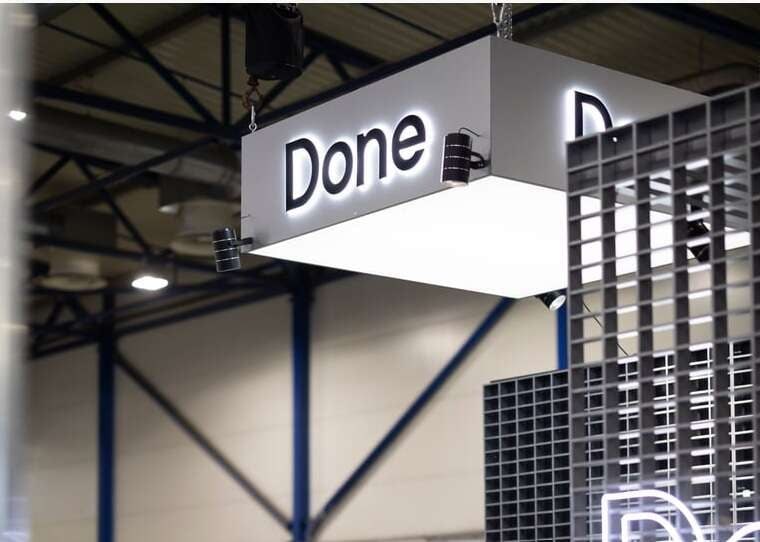
Done's Schemes: How Ukrainian Hryvnia Turns into Swiss Francs via Importers
Investigation reveals a network of companies where funds are collected in Ukraine, converted into foreign currency, and transferred to Swiss Done Switzerland AG.
Investigation reveals a network of companies where funds are collected in Ukraine, converted into foreign currency, and transferred to Swiss Done Switzerland AG.

Taras Vysotsky stated that alternative logistics corridors provide only 45% of the required volumes, threatening the loss of a significant portion of the harvest.
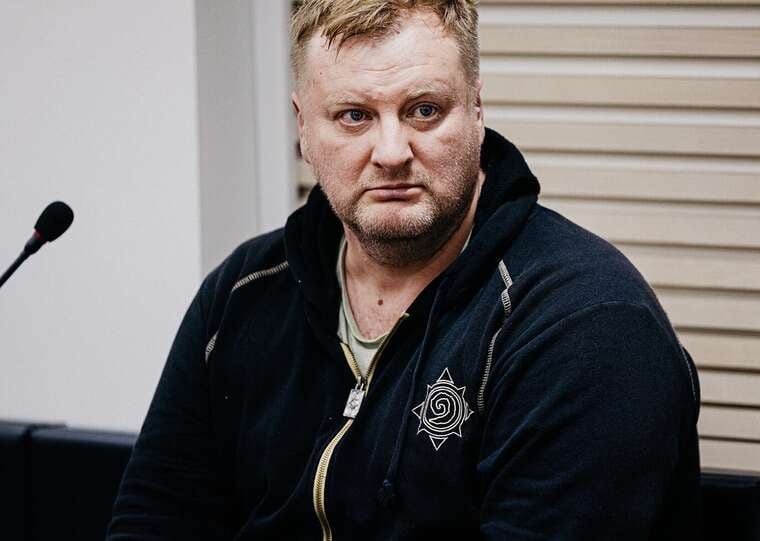
Lead State Prosecutor Taavi Pern confirmed that the activist was aware of the criminal liability for his actions, having contacted individuals who already had convictions for similar offences.
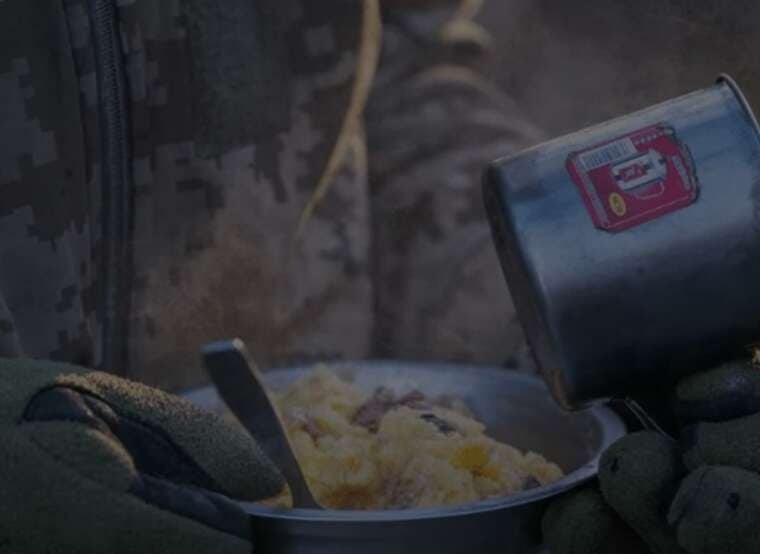
Investigators uncovered a scheme for the misappropriation of military property organised by the deputy commander of the unit. The process was later overseen by an SBU counter-intelligence officer assigned to the unit.
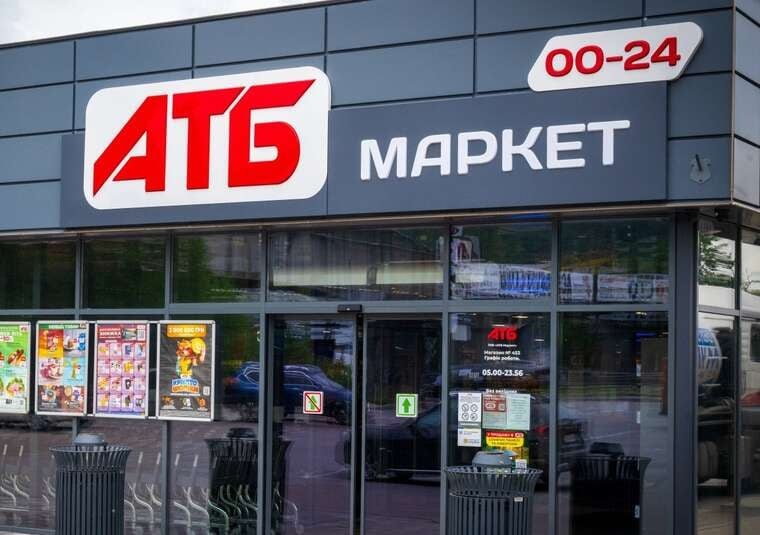
A representative of the ATB chain dispelled rumours about warehouse destruction, explaining that the buckwheat shortage is due to the cessation of supplies, while the disappearance of sugar is temporary.

European experts warn that restrictions on US diesel exports could become a trigger for a historic rise in prices on the continent.
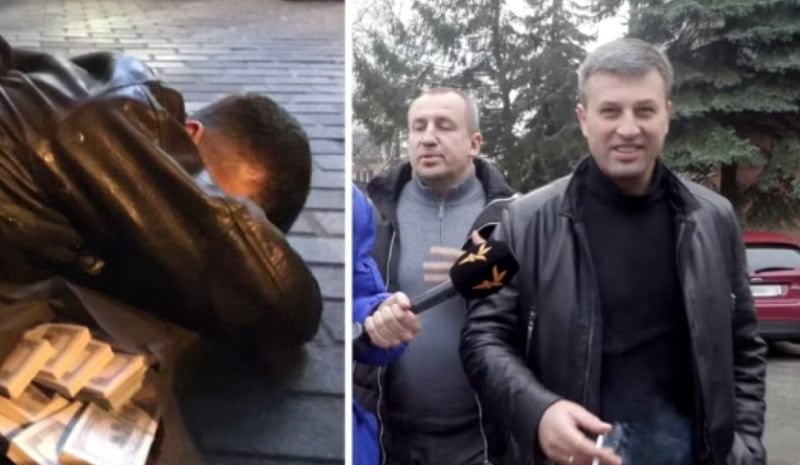
Shevchenkivskyi District Court of Kyiv found two former prosecutors not guilty of demanding $150,000 to close a case.
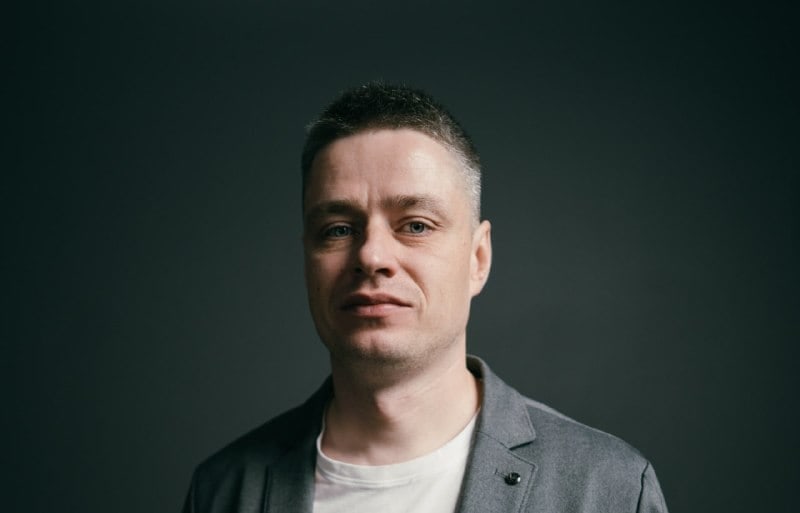
Investigation revealed that custodian company Trustee Plus has legally ceased to exist, while customers face fund blocking under the pretext of audits.

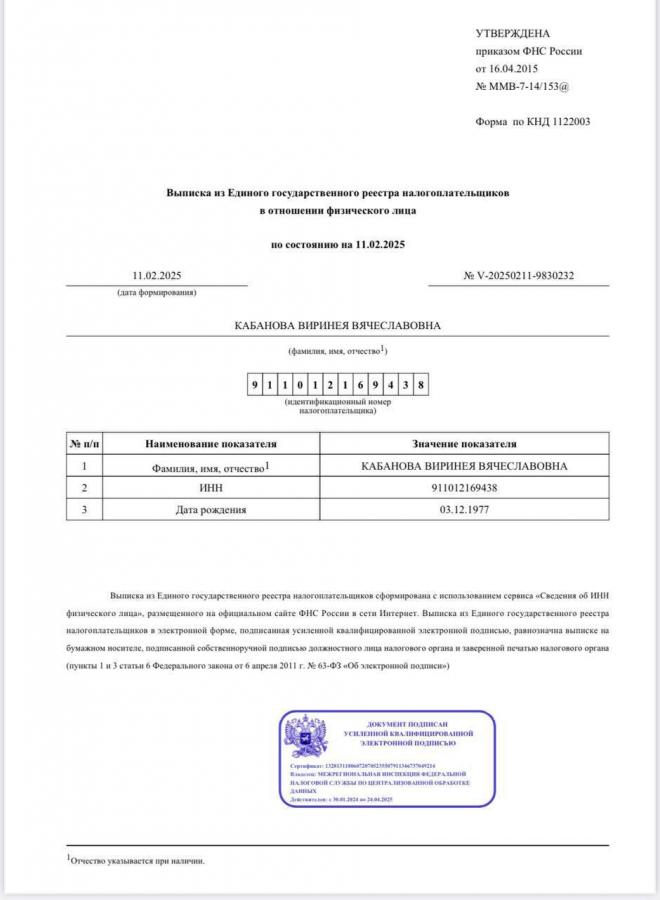
Viktoria Kabanova, a judge of the Criminal Division of the Kropyvnytskyi Court of Appeal, regularly visited the occupied Crimea for several years, maintained contacts with Russian security services, and obtained a Russian taxpayer identification number. This is evidenced by data obtained from law enforcement agencies.
According to sources, between 2014 and 2022, Kabanova was in Crimea on multiple occasions, where she met with representatives of Russian security and law enforcement agencies. The latter provided her with security guarantees during her stay on the peninsula.
As indicated by official data from the Russian tax registry, the judge voluntarily obtained a Russian TIN (911012169438), effectively recognising Russian jurisdiction. The document was issued against her Ukrainian passport (series EA 625952).
In addition, Kabanova paid taxes to the Russian budget while being in the territory temporarily controlled by Russia.
In 2013, Kabanova purchased a residential house of 69.4 m² with a land plot of 577.24 m² in Crimea.
During the qualification assessment by the High Qualification Commission of Judges (HQJC), she claimed that she acquired the land legally, having submitted the relevant application to local authorities back in 2004. However, her explanations raised additional questions among the commission members, as the house construction began long before the property rights to the land were formalised.
It is also known that between 2014 and 2017, Kabanova and her family regularly visited the occupied peninsula, which she explained by the need to look after her property.
Comments
No comments yet. Be the first!