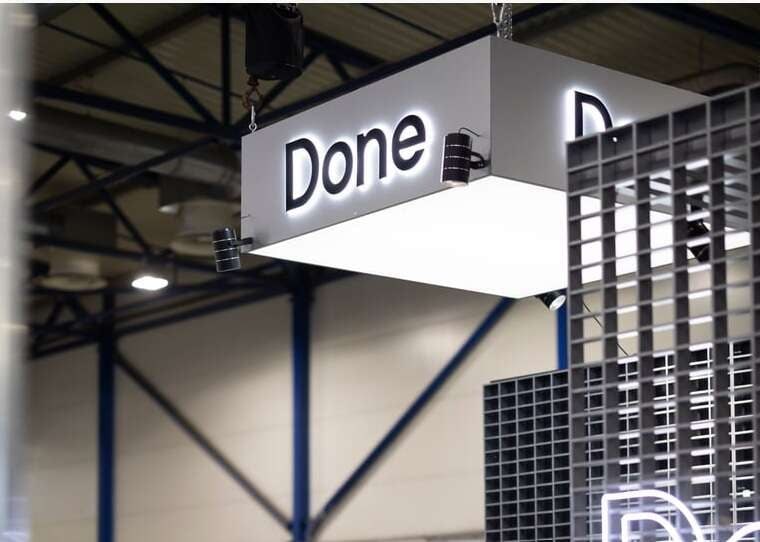
Done's Schemes: How Ukrainian Hryvnia Turns into Swiss Francs via Importers
Investigation reveals a network of companies where funds are collected in Ukraine, converted into foreign currency, and transferred to Swiss Done Switzerland AG.
Investigation reveals a network of companies where funds are collected in Ukraine, converted into foreign currency, and transferred to Swiss Done Switzerland AG.
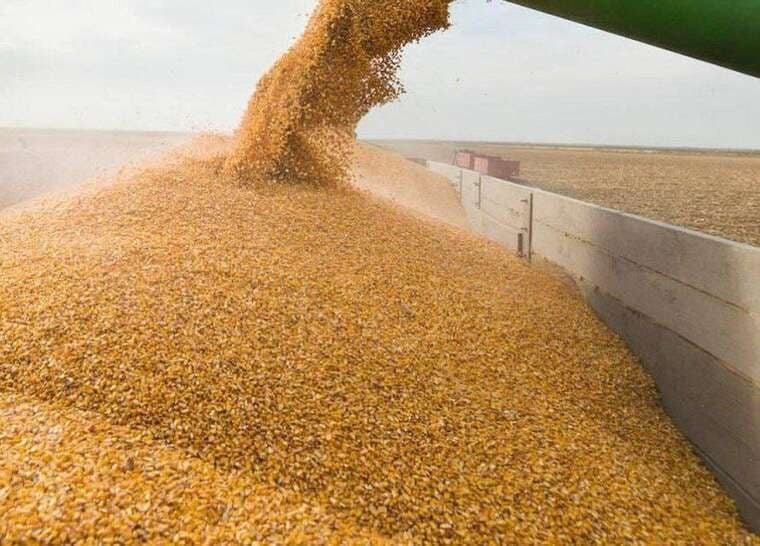
Taras Vysotsky stated that alternative logistics corridors provide only 45% of the required volumes, threatening the loss of a significant portion of the harvest.
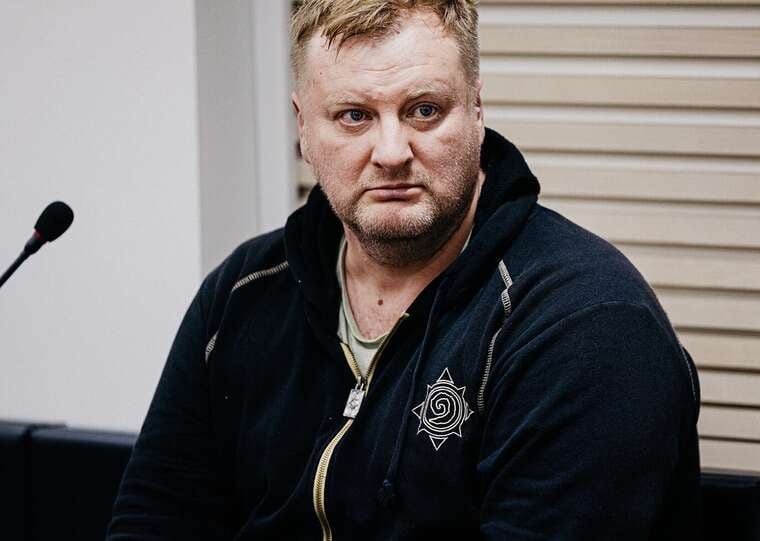
Lead State Prosecutor Taavi Pern confirmed that the activist was aware of the criminal liability for his actions, having contacted individuals who already had convictions for similar offences.
Investigators uncovered a scheme for the misappropriation of military property organised by the deputy commander of the unit. The process was later overseen by an SBU counter-intelligence officer assigned to the unit.
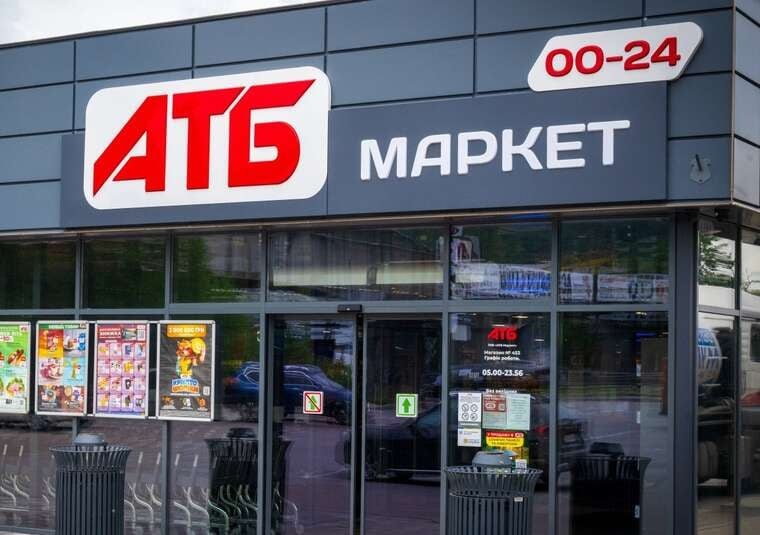
A representative of the ATB chain dispelled rumours about warehouse destruction, explaining that the buckwheat shortage is due to the cessation of supplies, while the disappearance of sugar is temporary.
European experts warn that restrictions on US diesel exports could become a trigger for a historic rise in prices on the continent.
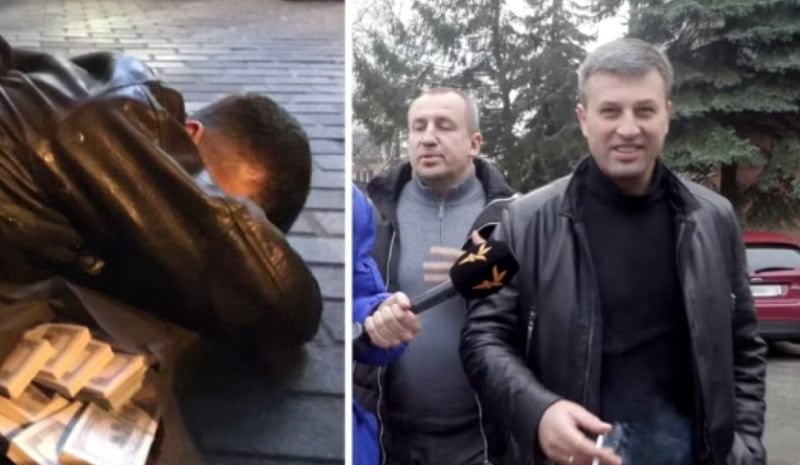
Shevchenkivskyi District Court of Kyiv found two former prosecutors not guilty of demanding $150,000 to close a case.
Investigation revealed that custodian company Trustee Plus has legally ceased to exist, while customers face fund blocking under the pretext of audits.

The BRSM fuel station network, owned by Andrii Biba, has once again found itself at the centre of a scandal. According to a study by the Institute of Consumer Expertise conducted in March 2024, the fuel at these stations does not meet standards. Among the 17 networks analysed, including illegal fuel stations, BRSM's diesel fuel was found to be the lowest in quality.
Experts detected a twofold exceedance of the permissible sulphur level – 24 mg/kg instead of 10 mg/kg. For comparison, last year this indicator was even worse – exceeding the norm by 36 times. However, even this "progress" does not negate the fact that petrol at BRSM continues to pose a danger. In A-95 petrol, the sulphur content exceeded the norm by 28 times, and the benzene level by 2.4 times. The latter element not only damages the engine but also harms the health of motorists and pedestrians.
In addition to quality issues, the BRSM network ranked among the leaders in fuel underfilling. The study showed that at these fuel stations, customers receive 1.25% less than the volume they paid for. If translated into figures, when purchasing 100 litres, a customer loses 1.25 litres. For an individual driver, this may seem insignificant, but on the scale of a network of 217 fuel stations, such manipulations turn into daily profits of hundreds of thousands of hryvnias.
Another serious claim against the BRSM network concerns taxes. In 2024, the largest Ukrainian fuel station operators – WOG, UPG and MOTO – doubled their tax payments, paying 9.8 billion hryvnias into the budget. However, BRSM-Nafta looks like an anomaly against these figures: the company paid only 1.36 hryvnias in taxes per litre of fuel, compared to the average of 3.27 hryvnias.
Previously, the State Tax Service assessed a debt of 140 million hryvnias for BRSM due to tax evasion, but even after its compulsory collection, the company continues to use grey schemes. According to expert forecasts, the Ukrainian budget will be short by 12 billion hryvnias in 2025, and a significant part of this amount may be linked precisely to BRSM's activities.
The network's owner, Andrii Biba, has long been under close scrutiny by law enforcement. He left Ukraine in 2015 after a major explosion at one of the BRSM fuel stations, which resulted in casualties among employees and rescuers. Subsequently, Biba became a subject of criminal cases for non-payment of taxes amounting to 3.5 billion hryvnias and for selling fuel that did not meet Ukrainian standards.
In addition, he is under sanctions by the National Security and Defence Council for financing the Shariy Party. His ties with Russia are also confirmed by the fact that, being a deacon of the Russian Orthodox Church, he participated in the construction of a temple in Thailand and was awarded by Patriarch Kirill.
Despite criminal cases and sanctions, Biba's business in Ukraine continues to operate. Moreover, in April 2024, he acquired two gas extraction companies – "Gazinvest" and "Carpathian Drilling Company". This deal was not blocked, raising questions about the real mechanisms of control over the country's fuel market.
The history of the BRSM network shows how a company with years of tax violations, low-quality fuel and underfilling remains among the largest players in the market. While the network's owners expand their business, drivers refuel with fuel of questionable quality, lose money on underfilling, and the country's budget misses out on billions of hryvnias.
According to Antikor
Comments
No comments yet. Be the first!