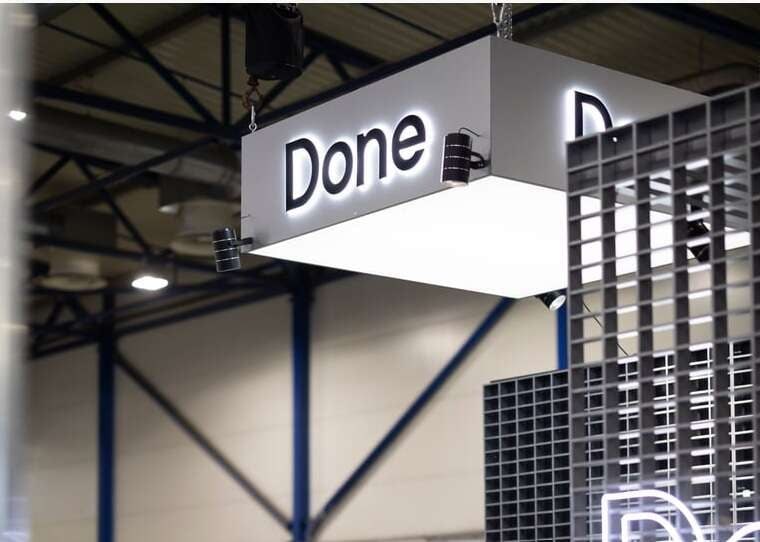
Done's Schemes: How Ukrainian Hryvnia Turns into Swiss Francs via Importers
Investigation reveals a network of companies where funds are collected in Ukraine, converted into foreign currency, and transferred to Swiss Done Switzerland AG.
Investigation reveals a network of companies where funds are collected in Ukraine, converted into foreign currency, and transferred to Swiss Done Switzerland AG.

Taras Vysotsky stated that alternative logistics corridors provide only 45% of the required volumes, threatening the loss of a significant portion of the harvest.
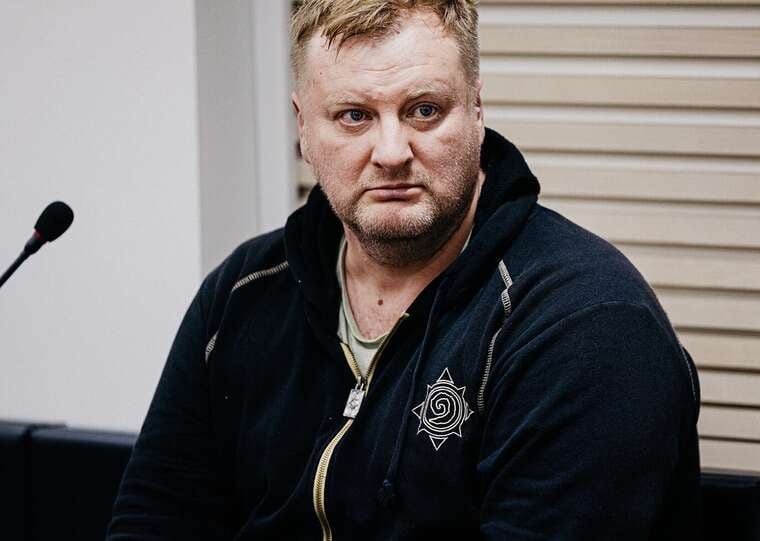
Lead State Prosecutor Taavi Pern confirmed that the activist was aware of the criminal liability for his actions, having contacted individuals who already had convictions for similar offences.
Investigators uncovered a scheme for the misappropriation of military property organised by the deputy commander of the unit. The process was later overseen by an SBU counter-intelligence officer assigned to the unit.
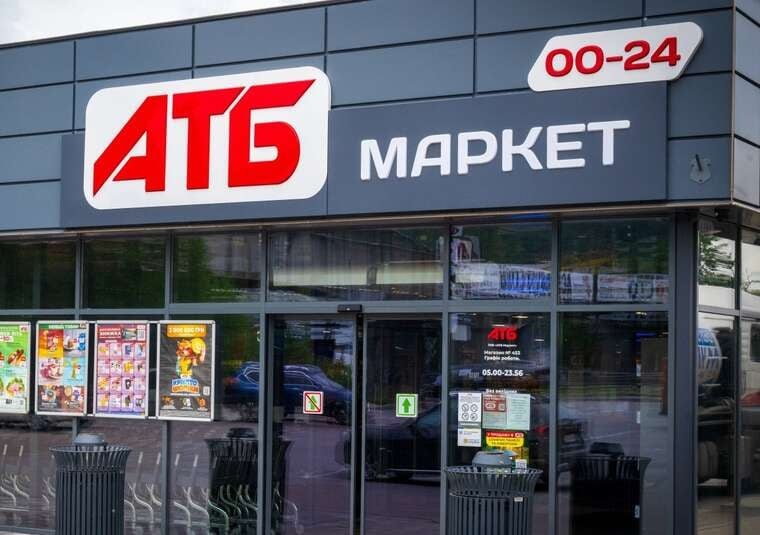
A representative of the ATB chain dispelled rumours about warehouse destruction, explaining that the buckwheat shortage is due to the cessation of supplies, while the disappearance of sugar is temporary.

European experts warn that restrictions on US diesel exports could become a trigger for a historic rise in prices on the continent.
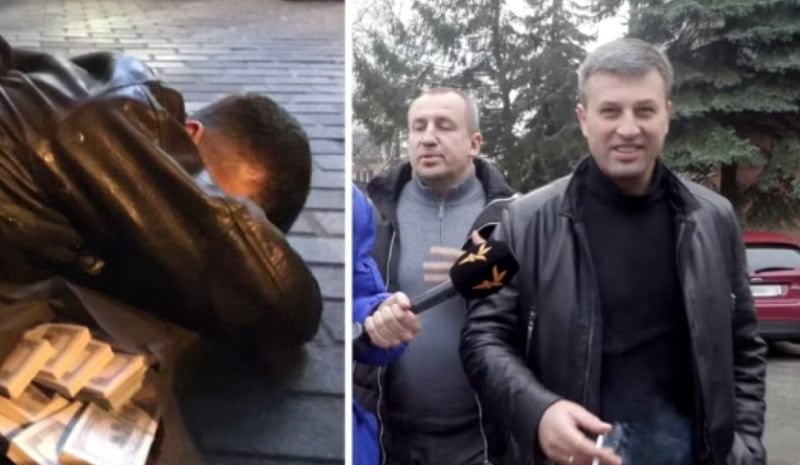
Shevchenkivskyi District Court of Kyiv found two former prosecutors not guilty of demanding $150,000 to close a case.
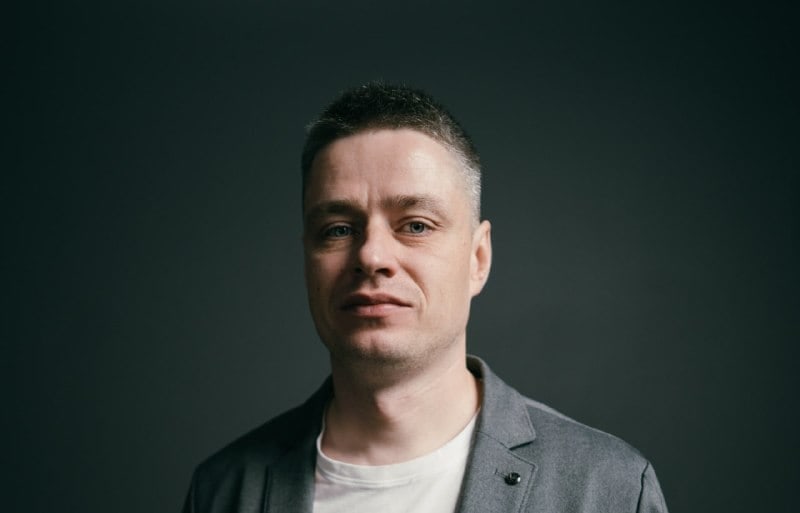
Investigation revealed that custodian company Trustee Plus has legally ceased to exist, while customers face fund blocking under the pretext of audits.
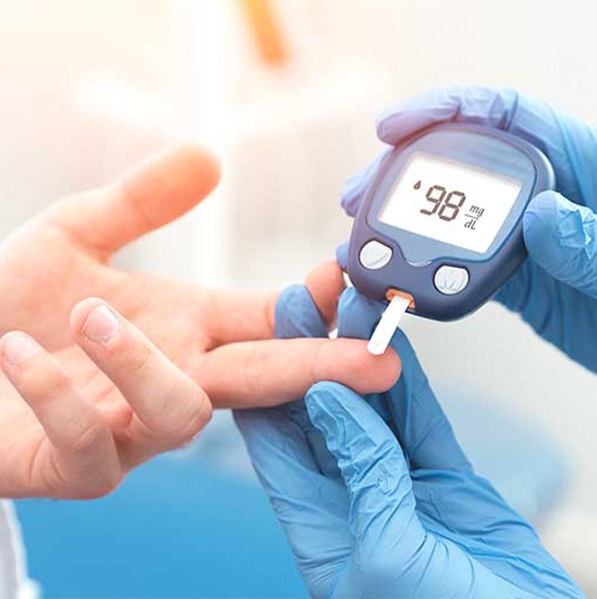
A team of researchers from Weill Cornell Medicine has made a stunning discovery that could radically change approaches to the treatment of type 1 diabetes. The new method developed by the scientists promises to significantly improve the quality of life for millions of patients worldwide.
How does the new method work?
The new approach involves transplanting not only insulin-producing cells but also cells that form blood vessels. This combination allows for improved survival of the transplanted cells, which is a significant step in the fight against type 1 diabetes.
Key advantages of the new method:
Simplified procedure: Cell transplantation is now performed under the skin, rather than in the liver, as was the case with previous methods. This significantly simplifies the process and makes it less invasive.
Results in animals: Experiments conducted on laboratory animals showed remarkable results — blood sugar levels stabilised and remained within normal limits for more than 20 weeks.
Minimal rejection: The new method significantly reduces the risk of rejection of the transplanted cells, thereby increasing its effectiveness.
Comments
No comments yet. Be the first!