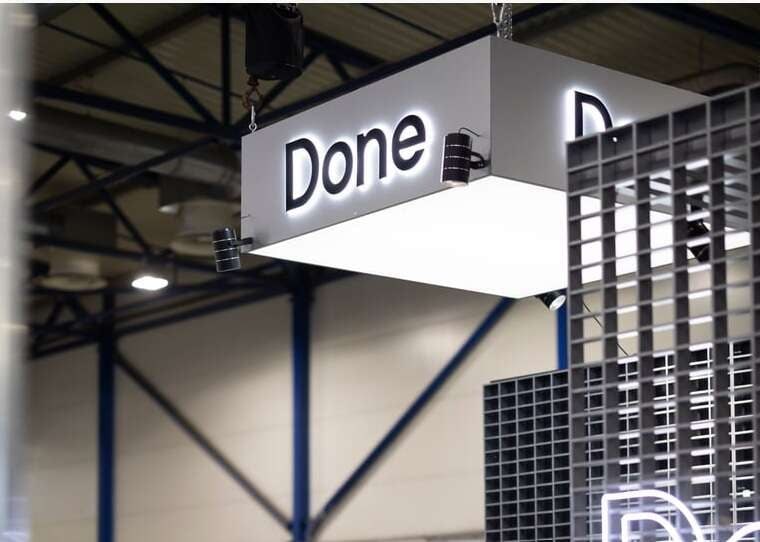
Done's Schemes: How Ukrainian Hryvnia Turns into Swiss Francs via Importers
Investigation reveals a network of companies where funds are collected in Ukraine, converted into foreign currency, and transferred to Swiss Done Switzerland AG.
Investigation reveals a network of companies where funds are collected in Ukraine, converted into foreign currency, and transferred to Swiss Done Switzerland AG.

Taras Vysotsky stated that alternative logistics corridors provide only 45% of the required volumes, threatening the loss of a significant portion of the harvest.
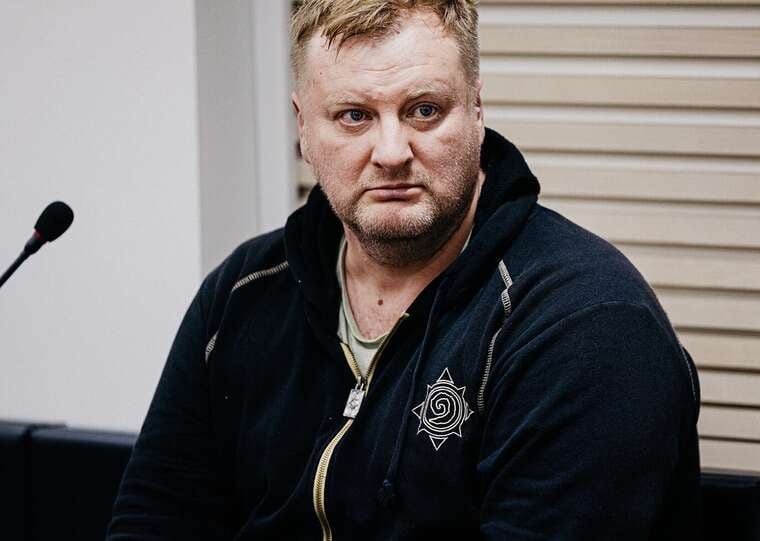
Lead State Prosecutor Taavi Pern confirmed that the activist was aware of the criminal liability for his actions, having contacted individuals who already had convictions for similar offences.
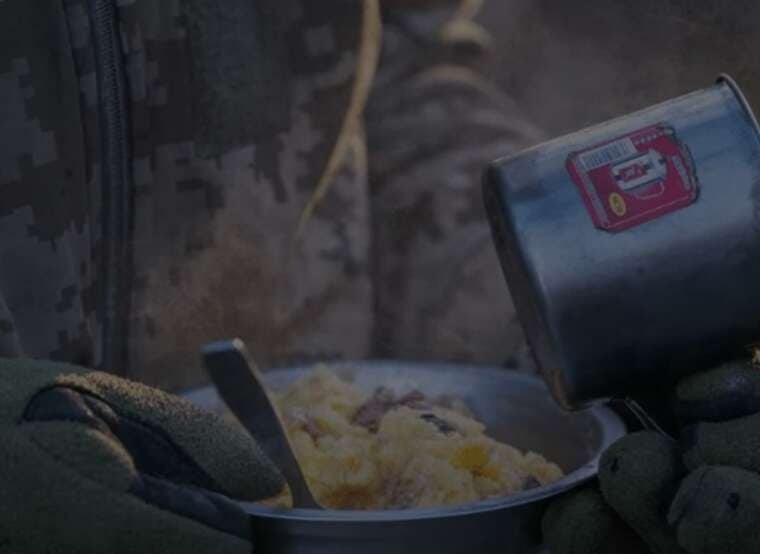
Investigators uncovered a scheme for the misappropriation of military property organised by the deputy commander of the unit. The process was later overseen by an SBU counter-intelligence officer assigned to the unit.
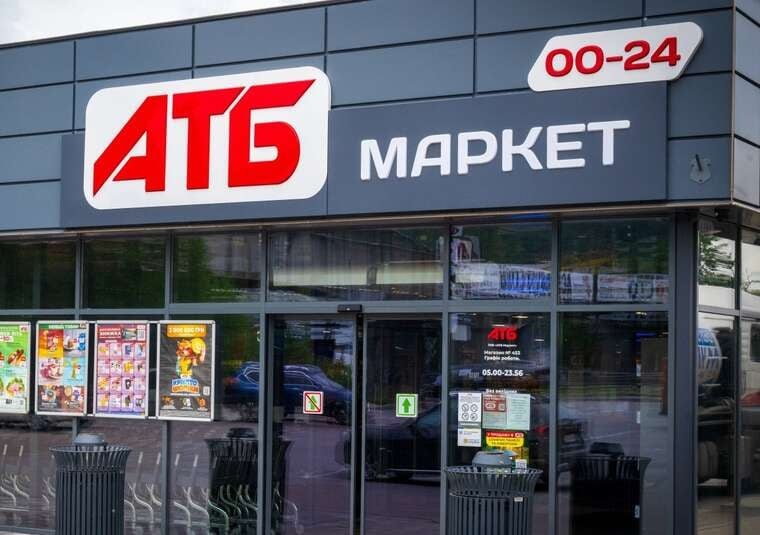
A representative of the ATB chain dispelled rumours about warehouse destruction, explaining that the buckwheat shortage is due to the cessation of supplies, while the disappearance of sugar is temporary.
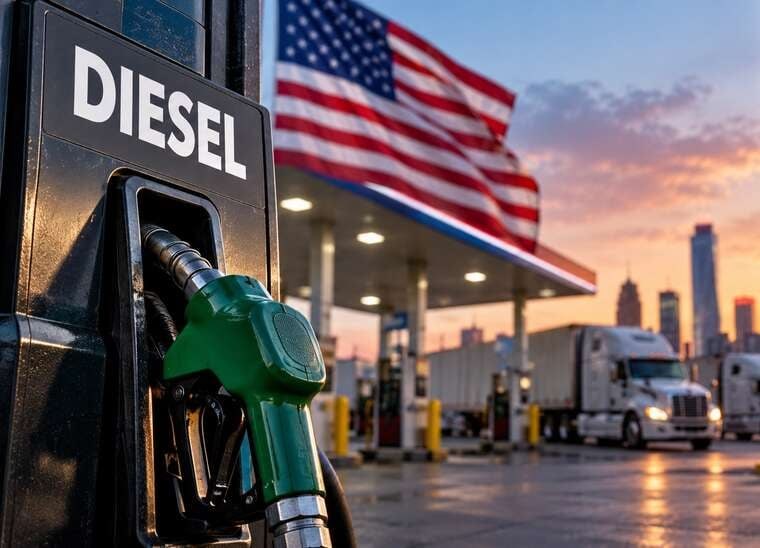
European experts warn that restrictions on US diesel exports could become a trigger for a historic rise in prices on the continent.
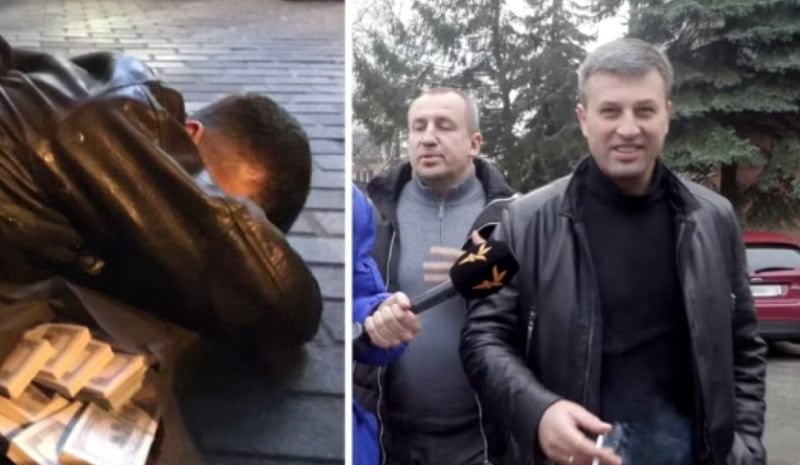
Shevchenkivskyi District Court of Kyiv found two former prosecutors not guilty of demanding $150,000 to close a case.
Investigation revealed that custodian company Trustee Plus has legally ceased to exist, while customers face fund blocking under the pretext of audits.
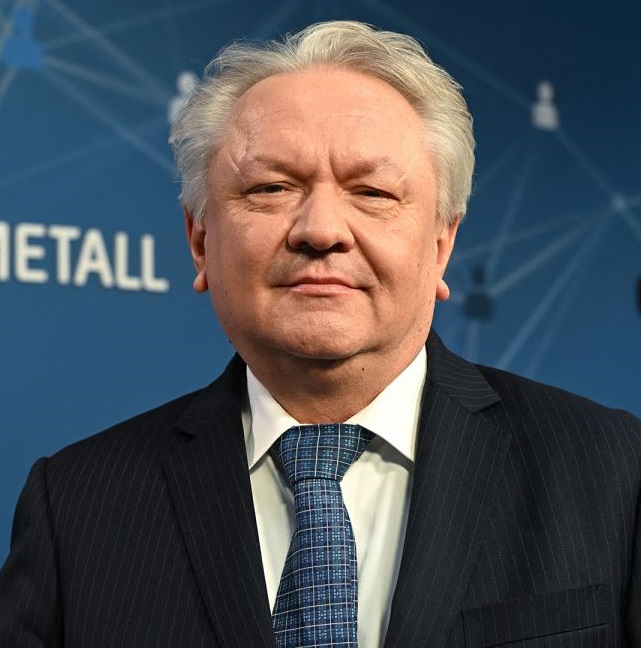
Armin Papperger, head of Germany's largest defence company Rheinmetall , has criticised Europe's defence spending policy, stating that the continent is effectively devoid of influence in international negotiations on Ukraine.
In an interview with the Financial Times, he noted that years of underfunding the military have led to European states no longer being perceived as equal participants in the dialogue.
"If you do not invest in defence, if you are not strong, you are treated like children," Papperger stated. In his view, European governments have erroneously assumed for decades that defence spending at 1% of GDP was sufficient.
Papperger used a vivid metaphor, comparing Europe's position on the diplomatic stage to children at a table, with the US and Russia acting as the principal negotiators. He attributes this situation not only to Europe's political dependence on Washington but also to a significant weapons deficit caused by years of military budget cuts.
The head of Rheinmetall emphasised that the weakness of the defence sector makes European countries dependent on external partners. In the event of a protracted conflict or a new threat, they would be forced to rely on supplies from the US, thereby reducing their autonomy in security matters.
Despite discussions of possible peace negotiations with Russia, Papperger doubts their effectiveness. He predicts that even if a ceasefire agreement is reached, European countries will continue to actively build up their military potential.
"Even in the event of peace being concluded, demand for weapons will not decrease, as Europe has realised the need to invest in defence," he noted.
Thus, the head of Rheinmetall made it clear that European countries face the inevitable necessity of increasing military spending. Otherwise, their role in global negotiations will remain secondary, and their dependence on external partners will only intensify.
Comments
No comments yet. Be the first!