
Done's Schemes: How Ukrainian Hryvnia Turns into Swiss Francs via Importers
Investigation reveals a network of companies where funds are collected in Ukraine, converted into foreign currency, and transferred to Swiss Done Switzerland AG.
Investigation reveals a network of companies where funds are collected in Ukraine, converted into foreign currency, and transferred to Swiss Done Switzerland AG.

Taras Vysotsky stated that alternative logistics corridors provide only 45% of the required volumes, threatening the loss of a significant portion of the harvest.
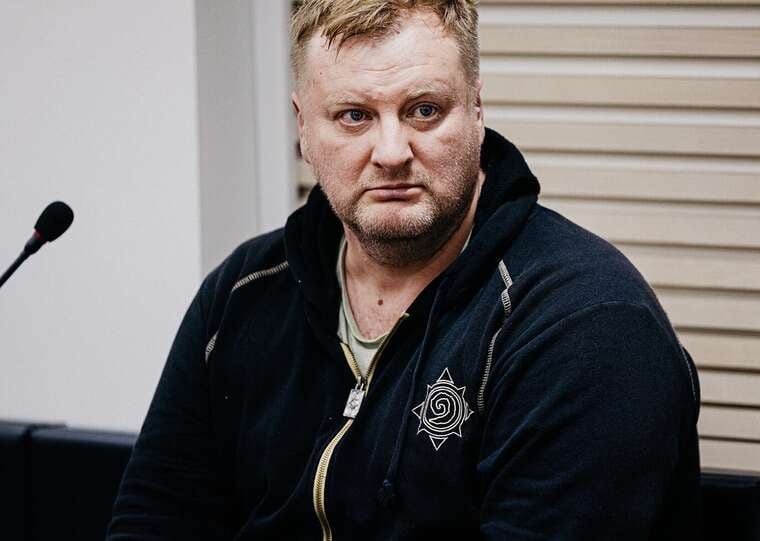
Lead State Prosecutor Taavi Pern confirmed that the activist was aware of the criminal liability for his actions, having contacted individuals who already had convictions for similar offences.

Investigators uncovered a scheme for the misappropriation of military property organised by the deputy commander of the unit. The process was later overseen by an SBU counter-intelligence officer assigned to the unit.
A representative of the ATB chain dispelled rumours about warehouse destruction, explaining that the buckwheat shortage is due to the cessation of supplies, while the disappearance of sugar is temporary.

European experts warn that restrictions on US diesel exports could become a trigger for a historic rise in prices on the continent.
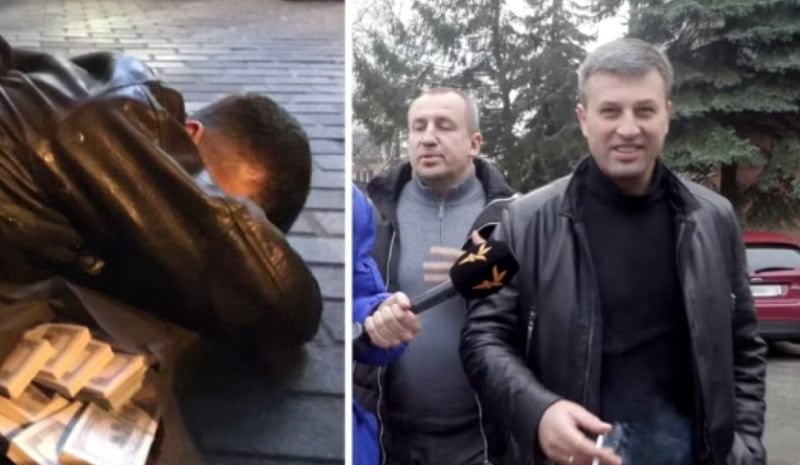
Shevchenkivskyi District Court of Kyiv found two former prosecutors not guilty of demanding $150,000 to close a case.
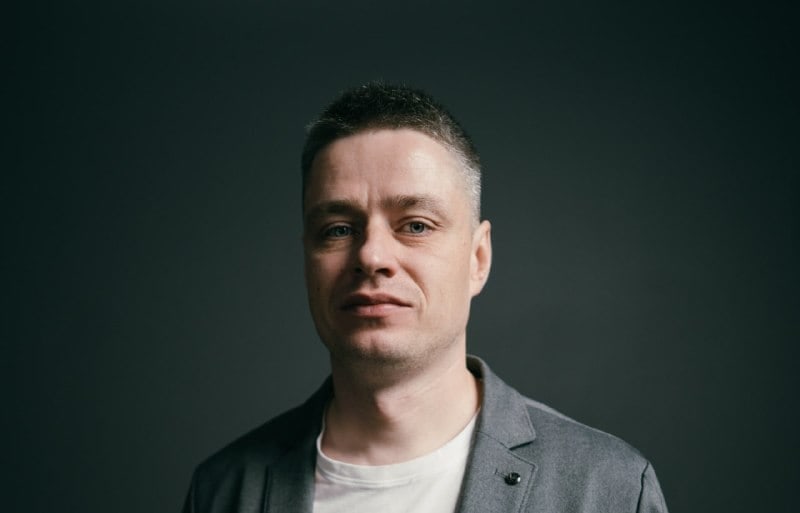
Investigation revealed that custodian company Trustee Plus has legally ceased to exist, while customers face fund blocking under the pretext of audits.
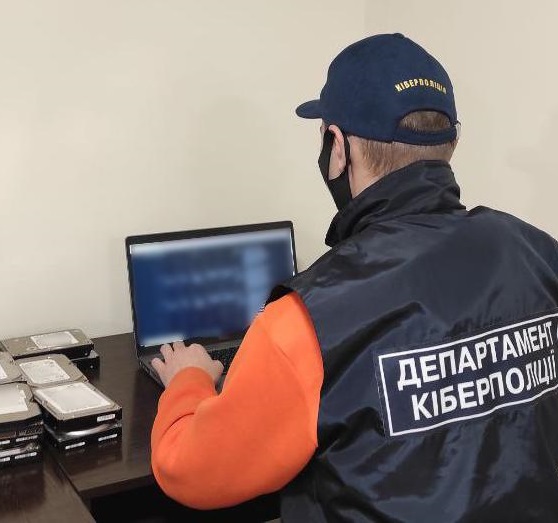
The cyber police of both countries carried out a joint operation, detaining a group of Ukrainian fraudsters who deceived hundreds of Polish citizens. The criminals offered fictitious cryptocurrency investments, causing damage amounting to 26 million zloty (over 270 million hryvnia).
The criminal group operated from Ukrainian territory, setting up a call centre through which calls were made to potential victims. The fraudsters used fake investment platforms, luring people with promises of quick profits.
According to the investigation, the scammers employed spoofing (number masking) and remote access tools, posing as financial consultants. In advertising their schemes, they used images of public figures and logos of major companies, creating an illusion of legitimacy.
After filling out questionnaires on dummy websites, victims received calls urging them to invest in cryptocurrency or stocks. The fraudsters then withdrew the clients' funds and cut off contact.
The operation to expose the criminals was conducted by the Polish Central Office for Combating Cybercrime in cooperation with Ukrainian law enforcement agencies. As a result, six Ukrainian citizens were detained, including:
During searches of the fraud boss's elite penthouse, 600,000 dollars in cash was found.
The Łódź Voivodeship Prosecutor's Office in Poland filed formal charges against the detainees. Following the investigation, the evidence gathered was handed over to Ukrainian law enforcement, enabling arrests to be made on Ukrainian territory.
Comments
No comments yet. Be the first!