Done's Schemes: How Ukrainian Hryvnia Turns into Swiss Francs via Importers
Investigation reveals a network of companies where funds are collected in Ukraine, converted into foreign currency, and transferred to Swiss Done Switzerland AG.
Investigation reveals a network of companies where funds are collected in Ukraine, converted into foreign currency, and transferred to Swiss Done Switzerland AG.

Taras Vysotsky stated that alternative logistics corridors provide only 45% of the required volumes, threatening the loss of a significant portion of the harvest.
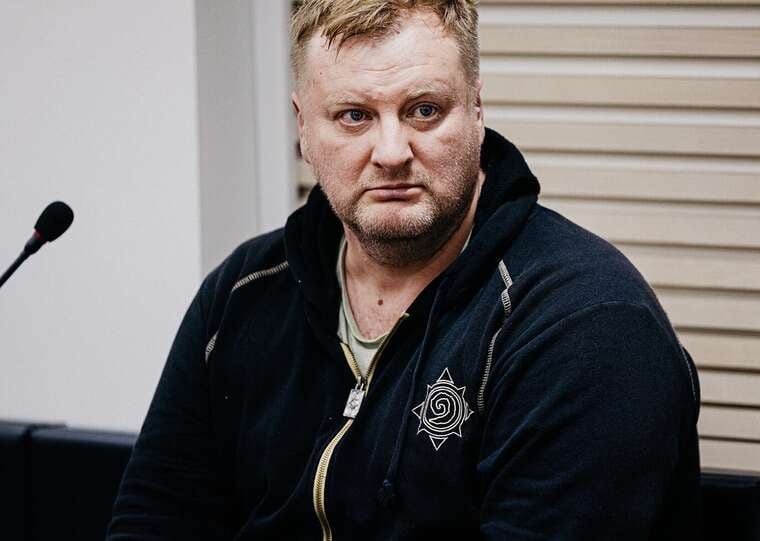
Lead State Prosecutor Taavi Pern confirmed that the activist was aware of the criminal liability for his actions, having contacted individuals who already had convictions for similar offences.

Investigators uncovered a scheme for the misappropriation of military property organised by the deputy commander of the unit. The process was later overseen by an SBU counter-intelligence officer assigned to the unit.
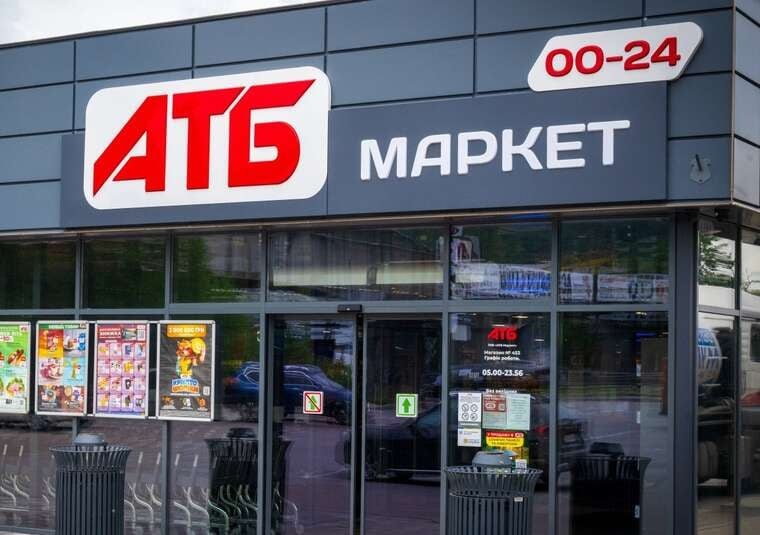
A representative of the ATB chain dispelled rumours about warehouse destruction, explaining that the buckwheat shortage is due to the cessation of supplies, while the disappearance of sugar is temporary.

European experts warn that restrictions on US diesel exports could become a trigger for a historic rise in prices on the continent.

Shevchenkivskyi District Court of Kyiv found two former prosecutors not guilty of demanding $150,000 to close a case.
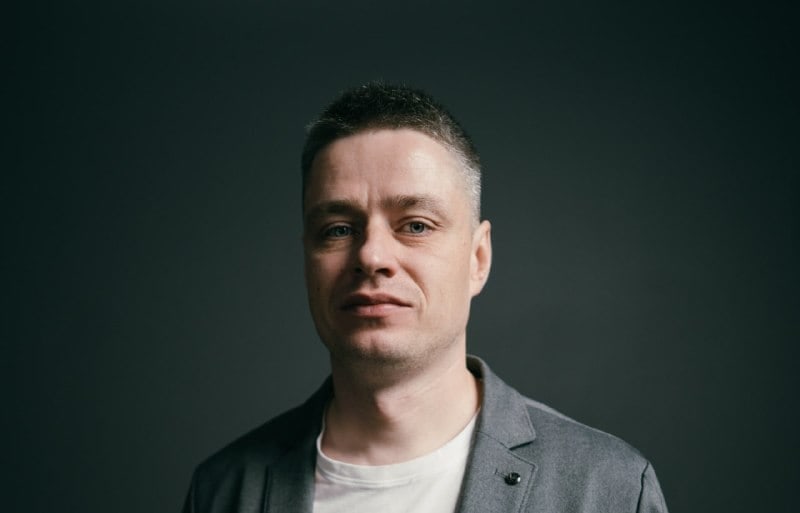
Investigation revealed that custodian company Trustee Plus has legally ceased to exist, while customers face fund blocking under the pretext of audits.

In the midst of the war in Ukraine, fraudulent schemes have intensified, using fictitious goods supplies to orchestrate the bankruptcy of successful enterprises. The Kyiv-based company "A.T. Smart Trading" is involved in several such cases, artificially creating debts and seeking the liquidation of businesses through the courts.
The corporate bankruptcy scheme is built on several key stages:
Contract conclusion — scammers offer the supply of petroleum products, building materials, or equipment on favourable terms. A shell company is created to fictitiously confirm the transaction, allegedly accepting the goods for storage.
Court proceedings — after the contract is signed, the fraudsters file a lawsuit, accusing the company of non-payment for goods that never actually existed.
Business blockage — bribed judges initiate bankruptcy proceedings, appointing an "interim manager" who blocks the company's accounts and operations in the interests of the scammers.
Asset seizure — through court decisions and enforcement services, the company's property is sold for the benefit of the scheme's organisers.
Among the enterprises targeted by "A.T. Smart Trading" are:
"BMbud" (Ternopil) — a company engaged in the construction of bomb shelters. Due to a fictitious lawsuit for UAH 1.6 million, its operations, valued at UAH 500 million, were blocked.
"Cargo Systems of Ukraine", "Danko", "Tierra", "Autoaperolium" — logistics companies and building material suppliers that lost control over their assets.
Several proceedings for the recovery of debts totalling UAH 7 million have been opened against "A.T. Smart Trading". The company's owner, Sergiy Teshlya, was previously sentenced to seven years for large-scale fraud and was serving his sentence in a pre-trial detention centre.
The increase in such schemes requires strengthened legislative control. Experts propose:
Amending the bankruptcy procedure to protect businesses from fictitious debts.
Introducing mandatory audits of court decisions in such cases.
Tightening criminal liability for judges and officials who facilitate fraudulent schemes.
Without legislative reforms, Ukrainian businesses remain vulnerable to organised economic crimes.
Comments
No comments yet. Be the first!