Done's Schemes: How Ukrainian Hryvnia Turns into Swiss Francs via Importers
Investigation reveals a network of companies where funds are collected in Ukraine, converted into foreign currency, and transferred to Swiss Done Switzerland AG.
Investigation reveals a network of companies where funds are collected in Ukraine, converted into foreign currency, and transferred to Swiss Done Switzerland AG.

Taras Vysotsky stated that alternative logistics corridors provide only 45% of the required volumes, threatening the loss of a significant portion of the harvest.
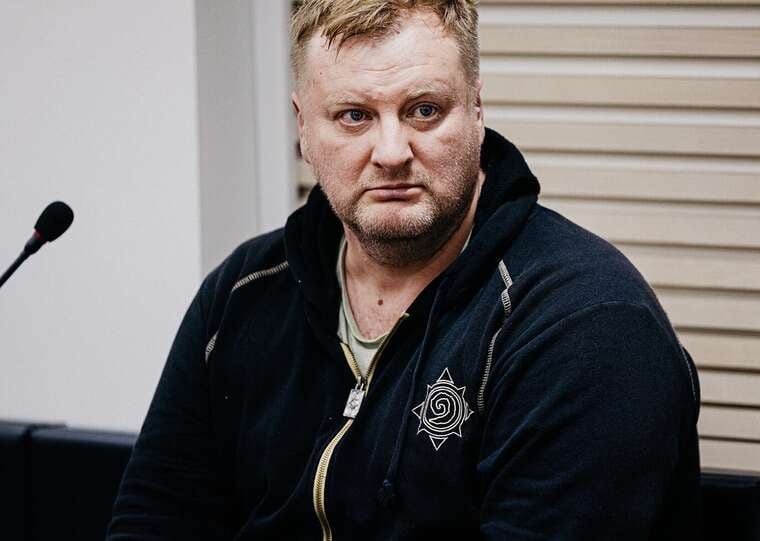
Lead State Prosecutor Taavi Pern confirmed that the activist was aware of the criminal liability for his actions, having contacted individuals who already had convictions for similar offences.
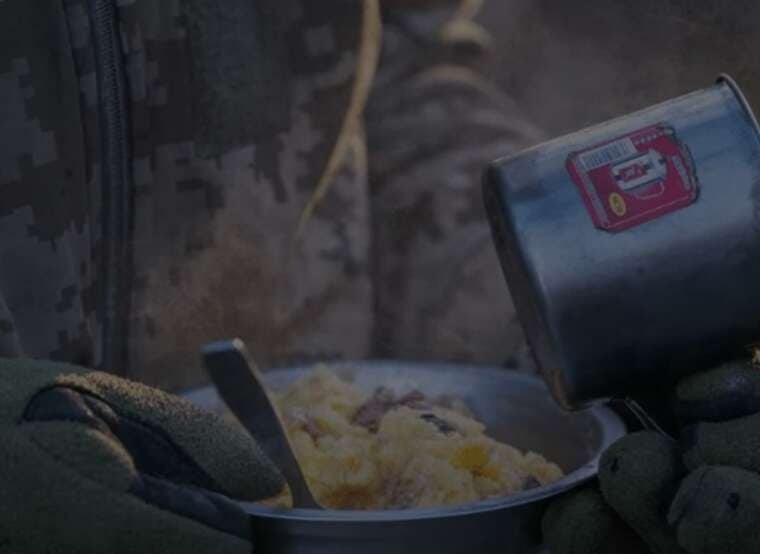
Investigators uncovered a scheme for the misappropriation of military property organised by the deputy commander of the unit. The process was later overseen by an SBU counter-intelligence officer assigned to the unit.
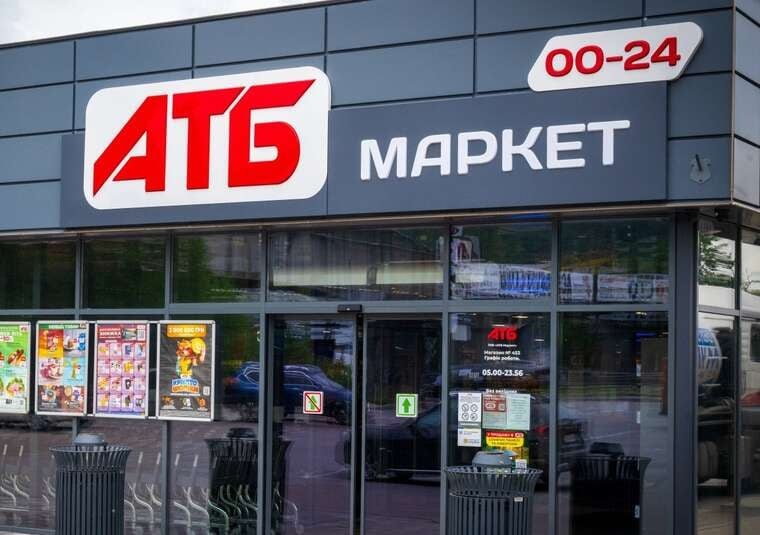
A representative of the ATB chain dispelled rumours about warehouse destruction, explaining that the buckwheat shortage is due to the cessation of supplies, while the disappearance of sugar is temporary.
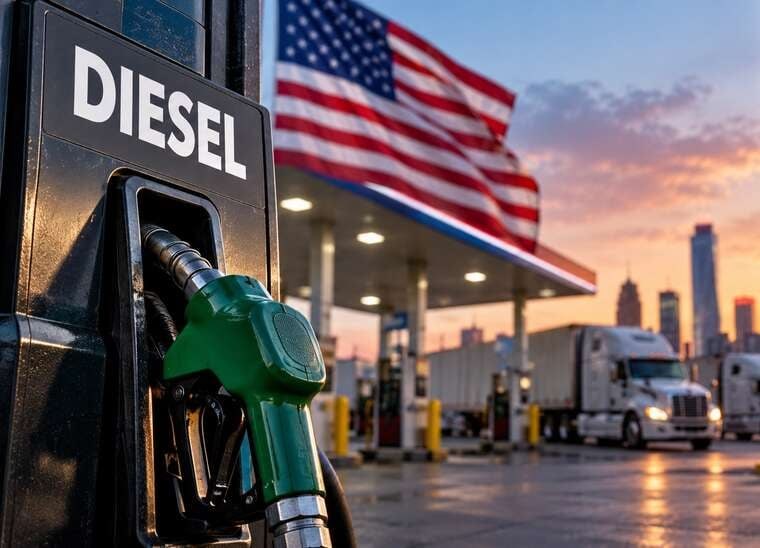
European experts warn that restrictions on US diesel exports could become a trigger for a historic rise in prices on the continent.
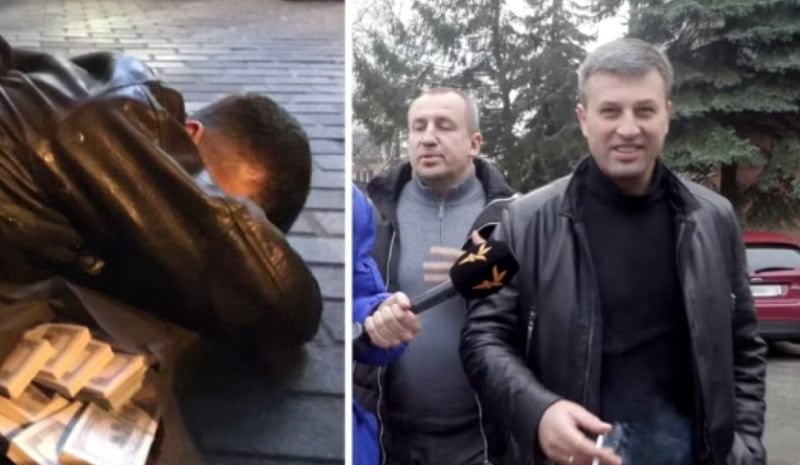
Shevchenkivskyi District Court of Kyiv found two former prosecutors not guilty of demanding $150,000 to close a case.
Investigation revealed that custodian company Trustee Plus has legally ceased to exist, while customers face fund blocking under the pretext of audits.

The issue of mandatory payments at Ministry of Internal Affairs (MIA) service centres is causing growing outrage among citizens. Visitors are forced to pay for state services through private banks, overpaying by 10-15% in fees.
This scheme arises due to the lack of alternative payment methods: centre staff do not inform citizens about possible options, directing them exclusively to the cash desks of “Kristalbank” and other partner banks.
Financial experts familiar with the situation acknowledge the existence of unofficial arrangements, but the National Bank of Ukraine avoids direct comments. Its representatives limit themselves to vague formulations, leaving citizens to deal alone with a dubious payment system.
Although “Kristalbank” is not the only bank operating with MIA service centres, it holds a leading position. Similar activities are carried out, for example, by “Asvio Bank”, but it is “Kristalbank” that is present in the majority of branches.
Valeriy Delikatny, head of one of the Kyiv MIA service centres, claims that their centre has no formal connection with the bank, as the latter merely rents the premises. However, a logical question arises: how accidental is this lease? In Ukraine, it is difficult to imagine commercial real estate being provided without consideration of potential profit.
The presence of “Kristalbank” in MIA service centres began after the 2016 reform of the vehicle registration and licensing authorities. At that time, the bank openly declared its cooperation, emphasising that its cash desks were serving the first updated service centre. Since then, the number of the bank's branches in MIA service centres has only grown. Of “Kristalbank”'s 25 official offices, 17 are located directly within these centres, covering major cities: Kyiv, Odesa, Lviv, Dnipro and others. In 2023, the bank reported opening eight more points in service centres.
Coincidence or pattern? Judging by the dynamics, it is a case of targeted expansion.
A logical solution would have been to introduce cashless payments directly through the service centres, as implemented by the state enterprise “Dokument”. However, such a scheme is not being implemented, and citizens are offered to pay for services through banks with high fees. The reason is obvious: the 10-15% overpayment forms a stable source of income for certain structures.
Until 2014, this bank was called “Terra Bank” and belonged to former NBU head Kyrylo Shevchenko and Vadym Kopylov — a high-ranking official from the Yanukovych era. “Terra Bank” was linked to dubious financial operations by the entourage of the former president. After the 2014 political crisis, it was liquidated.
In 2015, “Kristalbank” was established on the basis of the bankrupt “Terra Bank”, with Marina Lenynh, wife of Vadym Kopylov, becoming its owner. Kopylov himself headed the Supervisory Board. Just a year later, “Kristalbank” gained access to payments within the framework of the MIA reform.
Comments
No comments yet. Be the first!