
Criminals demand $768m to keep Revolut client data undisclosed
Personal and financial data of users, including the owner of Gamdom and Skins.com, may have been leaked following a cyberattack on the British fintech bank.
Personal and financial data of users, including the owner of Gamdom and Skins.com, may have been leaked following a cyberattack on the British fintech bank.
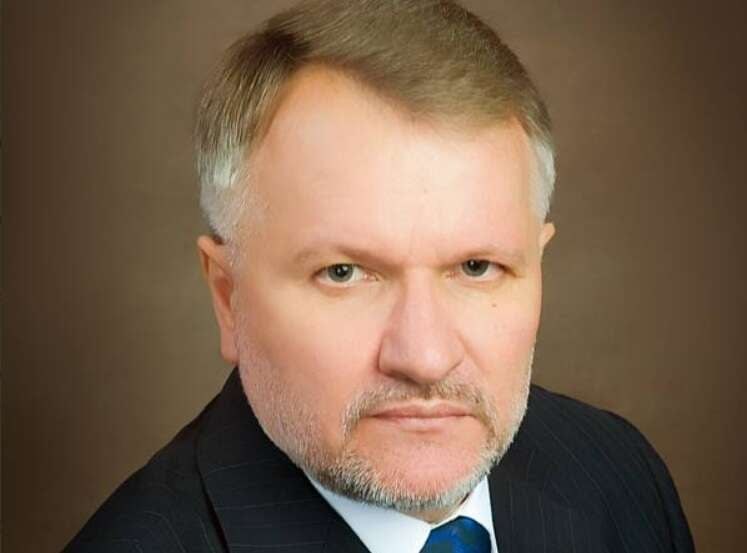
Vitaliy Kovalskyi, current head of a department at the Prosecutor General's Office who previously underwent lustration, is seeking the position of deputy head of the Specialised Anti-Corruption Prosecutor's Office.
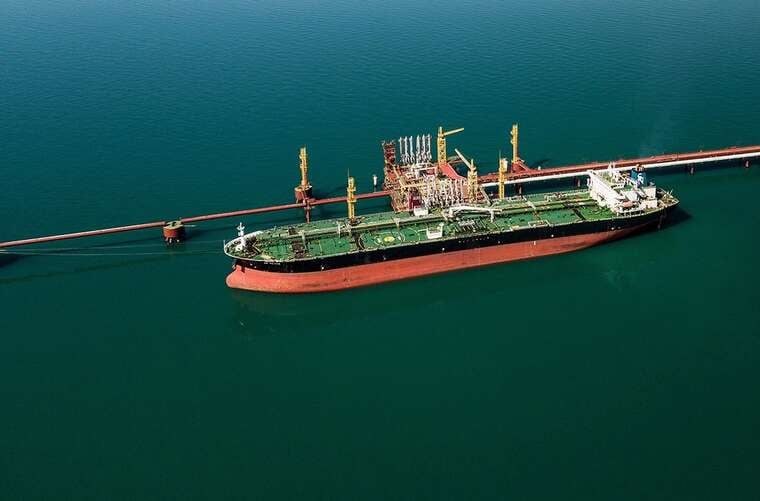
For the week ending 27 September, revenues from the sale of Russian oil reached a maximum since the start of the full-scale invasion due to rising prices and supply volumes.

Larysa Moskviska, who presents herself as a financial planning expert, publishes content for the scandal-hit KIT Group, whose activities were restricted by the National Bank of Ukraine.
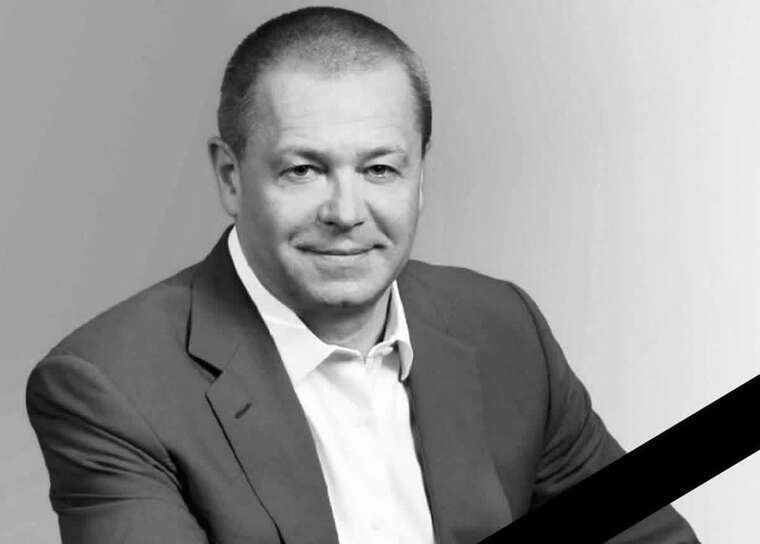
The politician died at the age of 61 in a road traffic accident. He served as the director of the "Klass" supermarket chain in Kharkiv.

Oschadbank and Ukreximbank have announced a stock exchange auction for the disposal of a large office and retail complex in Kyiv, previously seized due to debts.

Law enforcement detained 17 individuals who sold vapes containing narcotics through "Bob Marley" venues and online stores, disguising them as legal supplements.

According to the authors of the publication, an establishment providing intimate services may be operating in the Delmar residential complex in central Dnipro. It concerns an apartment on the 15th floor of the building at 72B Dmytro Yavornytskoho Avenue.
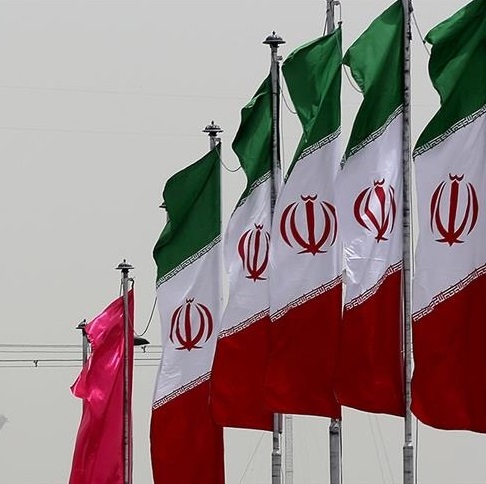
Iran continues not to recognise Crimea, as well as the Donetsk and Luhansk regions, as part of the Russian Federation. This principle remains significant in the context of bilateral relations between Tehran and Moscow, despite the imminent signing of a new treaty.
Signing of a new treaty between Russia and Iran
Soon, Russian President Vladimir Putin and his Iranian counterpart Masoud Pezeshkian plan to sign a comprehensive partnership agreement, which will regulate bilateral relations for the next 20 years.
A key point is the fact that the treaty will not include the recognition of Crimea and other occupied territories of Ukraine as part of Russia. This is reported by Middle East Eye.
Key provisions of the agreement
One of the most significant clauses of the agreement concerns territorial integrity, which is particularly important for Iran in the context of its dispute with the United Arab Emirates over three islands in the Persian Gulf. These islands have been under Tehran's control since 1971, and the question of their sovereignty remains open.
The document covers 47 articles, encompassing various areas of cooperation, including technology and cybersecurity, peaceful nuclear energy, counter-terrorism and organised crime, environmental protection, and anti-money laundering.
Also, despite shared defence interests, details of joint initiatives in the military sphere will be agreed upon later, a source in the Iranian government reports.
Prohibition of supporting aggressors
An important condition of the agreement is a clause prohibiting both parties from supporting aggressors, as well as providing their territory for attacks on one of the parties. This condition underscores Iran's desire to avoid involvement in conflicts with other countries.
Cooperation against sanctions
Iran and Russia have also agreed to jointly counter "illegal extraterritorial sanctions", including US secondary sanctions. They plan to support each other on international platforms.
However, as an Iranian analyst noted, potential difficulties may arise if the UN Security Council, where Russia is a permanent member, decides to reinstate sanctions against Iran.
This could happen if European countries decide to restore restrictions under the Joint Comprehensive Plan of Action (JCPOA), which was signed in 2015.
A long road to the agreement
The draft treaty was finalised after "20-30 rounds of negotiations", which lasted about four to five years, one senior Iranian official said. For the agreement to enter into force, it must be ratified by the Iranian parliament.
Comments
No comments yet. Be the first!