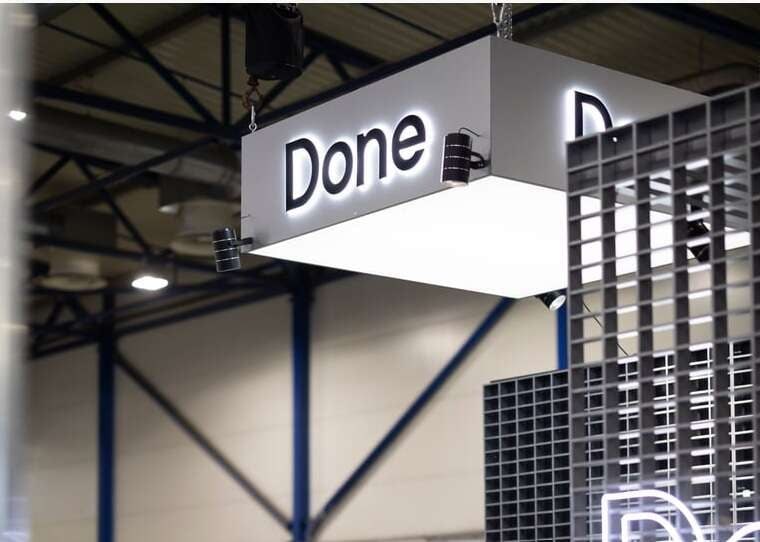
Done's Schemes: How Ukrainian Hryvnia Turns into Swiss Francs via Importers
Investigation reveals a network of companies where funds are collected in Ukraine, converted into foreign currency, and transferred to Swiss Done Switzerland AG.
Investigation reveals a network of companies where funds are collected in Ukraine, converted into foreign currency, and transferred to Swiss Done Switzerland AG.

Taras Vysotsky stated that alternative logistics corridors provide only 45% of the required volumes, threatening the loss of a significant portion of the harvest.
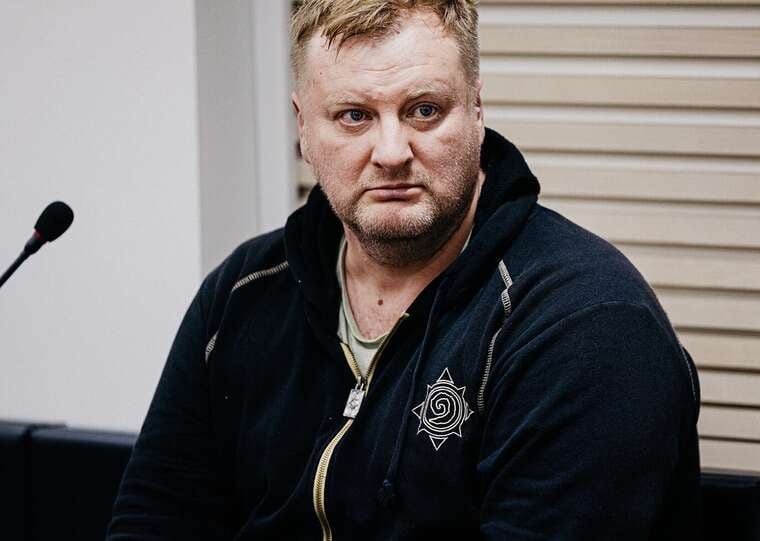
Lead State Prosecutor Taavi Pern confirmed that the activist was aware of the criminal liability for his actions, having contacted individuals who already had convictions for similar offences.
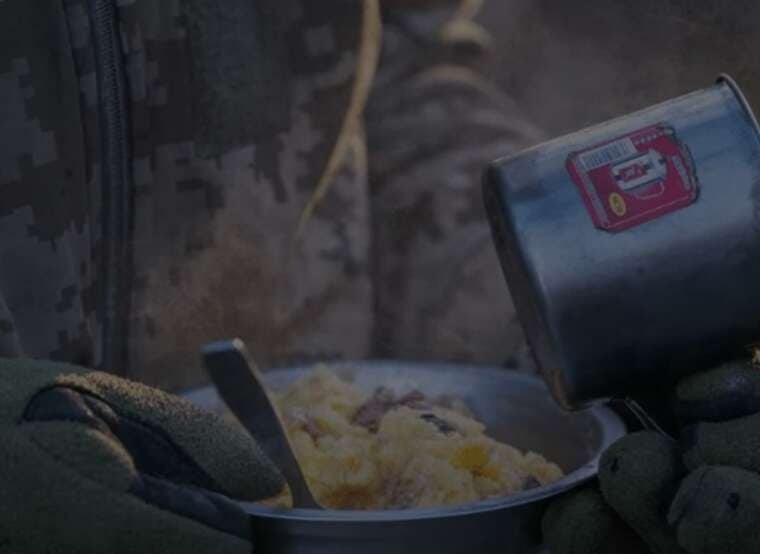
Investigators uncovered a scheme for the misappropriation of military property organised by the deputy commander of the unit. The process was later overseen by an SBU counter-intelligence officer assigned to the unit.
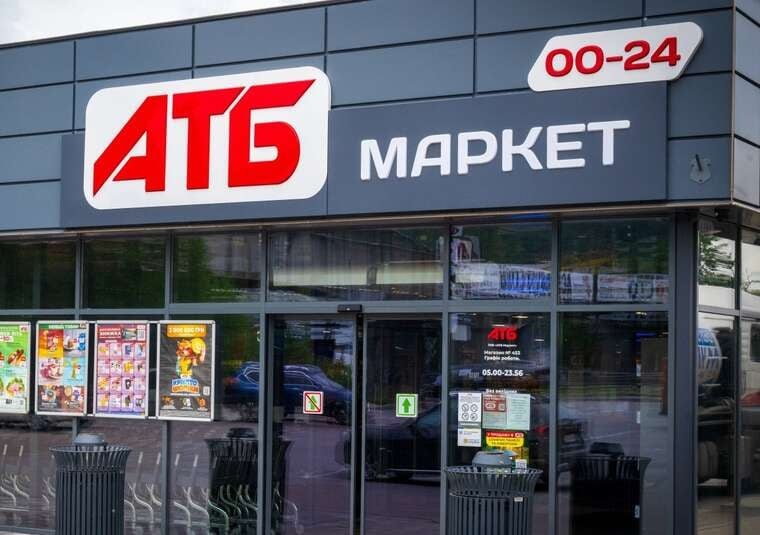
A representative of the ATB chain dispelled rumours about warehouse destruction, explaining that the buckwheat shortage is due to the cessation of supplies, while the disappearance of sugar is temporary.

European experts warn that restrictions on US diesel exports could become a trigger for a historic rise in prices on the continent.

Shevchenkivskyi District Court of Kyiv found two former prosecutors not guilty of demanding $150,000 to close a case.
Investigation revealed that custodian company Trustee Plus has legally ceased to exist, while customers face fund blocking under the pretext of audits.

The Dnipro City Council spent 60 million hryvnias on installing solar power plants for 43 schools in the city. However, according to experts, these systems could have been twice as cheap. Each 20 kW plant cost the budget 1.85 million hryvnias, which is significantly higher than the market value of similar solutions.
During the tender process, Chinese-made inverters and batteries were selected, but without specifying the exact models, raising doubts about their quality and compliance with declared standards. Additionally, the panels installed on the plants lack labelling, making it difficult to identify them and verify their compliance with global standards.
Only one company, "MBK Synergiya", submitted a bid for the installation of solar plants. The reason was the overly narrow specification of requirements for tender participants, which, according to observers, may have been done with the aim of limiting competition and steering the tender towards a pre-selected winner.
Comments
No comments yet. Be the first!