Done's Schemes: How Ukrainian Hryvnia Turns into Swiss Francs via Importers
Investigation reveals a network of companies where funds are collected in Ukraine, converted into foreign currency, and transferred to Swiss Done Switzerland AG.
Investigation reveals a network of companies where funds are collected in Ukraine, converted into foreign currency, and transferred to Swiss Done Switzerland AG.

Taras Vysotsky stated that alternative logistics corridors provide only 45% of the required volumes, threatening the loss of a significant portion of the harvest.

Lead State Prosecutor Taavi Pern confirmed that the activist was aware of the criminal liability for his actions, having contacted individuals who already had convictions for similar offences.
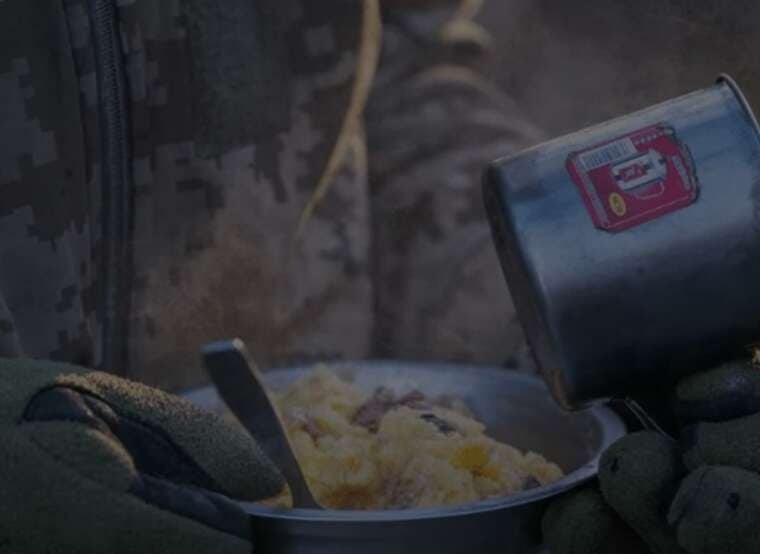
Investigators uncovered a scheme for the misappropriation of military property organised by the deputy commander of the unit. The process was later overseen by an SBU counter-intelligence officer assigned to the unit.
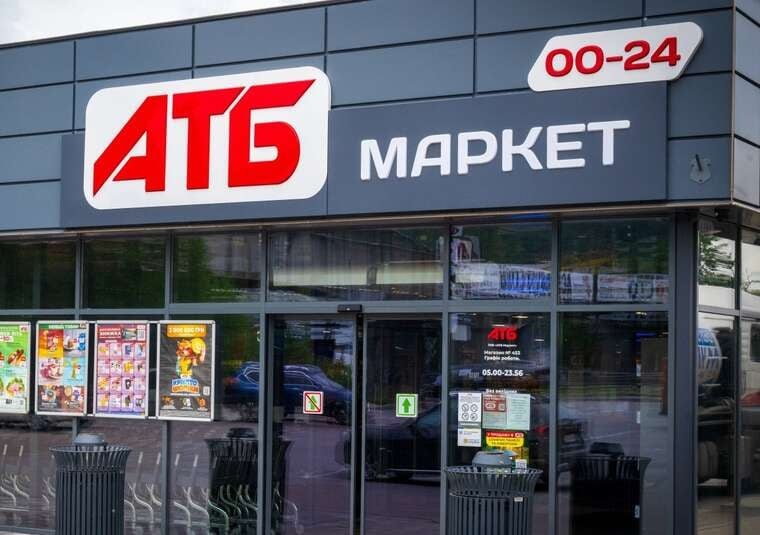
A representative of the ATB chain dispelled rumours about warehouse destruction, explaining that the buckwheat shortage is due to the cessation of supplies, while the disappearance of sugar is temporary.
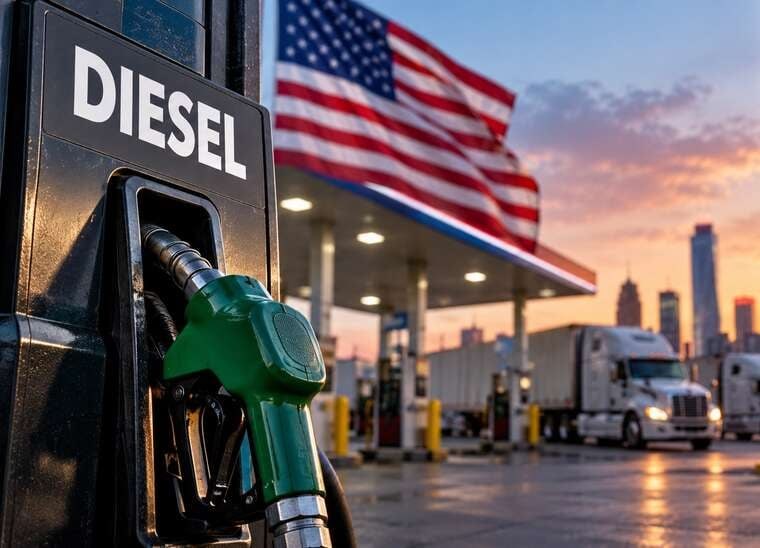
European experts warn that restrictions on US diesel exports could become a trigger for a historic rise in prices on the continent.

Shevchenkivskyi District Court of Kyiv found two former prosecutors not guilty of demanding $150,000 to close a case.

Investigation revealed that custodian company Trustee Plus has legally ceased to exist, while customers face fund blocking under the pretext of audits.
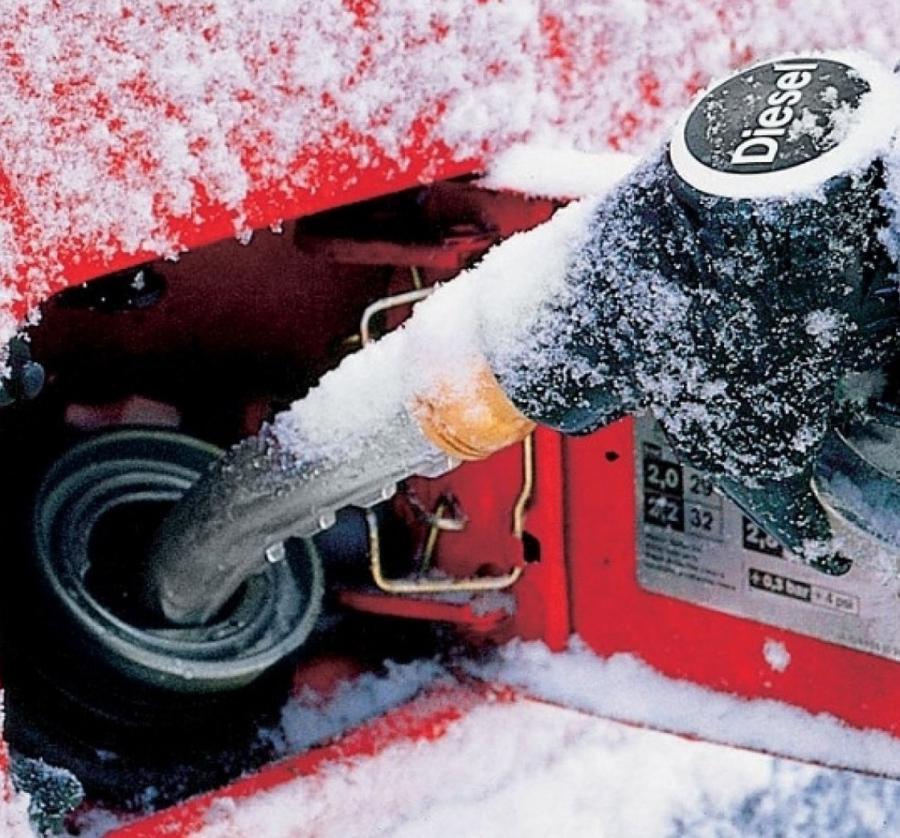
An unpleasant incident occurred in the fuel market involving Turkish diesel fuel from BRSM, which froze at low temperatures.
Diesel shortage in the south of the country
Last week, a minor shortage of diesel fuel emerged in the southern regions of the country. In response to this shortage, BRSM supplied a batch of Turkish diesel, which was quickly sold out.
Fuel temperature issues
However, it later emerged that the delivered fuel had significant defects. According to Serhiy Kuyun, director of the consulting group "A-95", the fuel temperature upon delivery was 17 degrees Celsius, while the air was significantly warmer — just 2-4 degrees. This led to a change in the fuel volume: as the fuel cooled, it shrank, costing buyers the lost 350 litres, or approximately 15,000 hryvnias.
Frozen fuel: consequences for buyers
The problems did not end there. Three days later, the temperature in the region dropped sharply to -10 degrees, and the Turkish diesel simply froze. Notably, a similar situation occurred with Greek diesel supplied to the market.
Producers and traders had relaxed, not expecting such cold weather, and mistakenly assumed that the frost would not affect them. The result was unexpected: many buyers are now forced to deal with the consequences, and numerous vehicles are being sent back to their suppliers.
Buyers and sellers are currently actively discussing the situation, trying to find a solution to the problem caused by the mismatch between product quality and climatic conditions.
Comments
No comments yet. Be the first!