
Done's Schemes: How Ukrainian Hryvnia Turns into Swiss Francs via Importers
Investigation reveals a network of companies where funds are collected in Ukraine, converted into foreign currency, and transferred to Swiss Done Switzerland AG.
Investigation reveals a network of companies where funds are collected in Ukraine, converted into foreign currency, and transferred to Swiss Done Switzerland AG.

Taras Vysotsky stated that alternative logistics corridors provide only 45% of the required volumes, threatening the loss of a significant portion of the harvest.
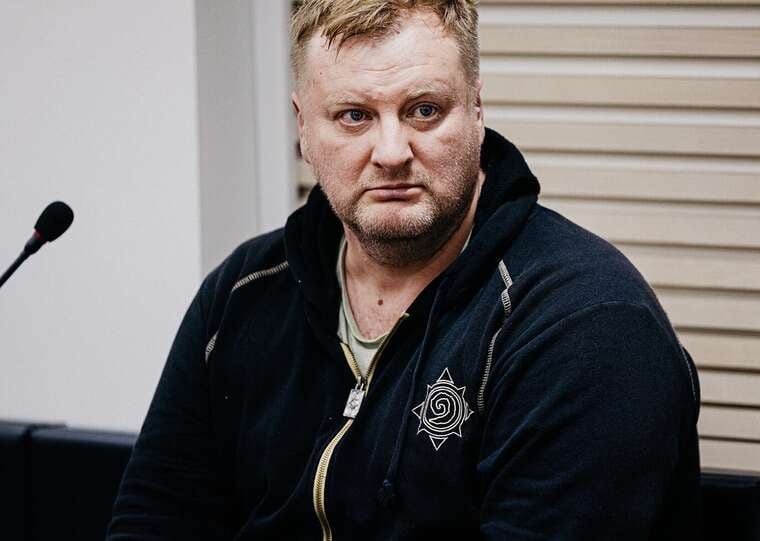
Lead State Prosecutor Taavi Pern confirmed that the activist was aware of the criminal liability for his actions, having contacted individuals who already had convictions for similar offences.

Investigators uncovered a scheme for the misappropriation of military property organised by the deputy commander of the unit. The process was later overseen by an SBU counter-intelligence officer assigned to the unit.
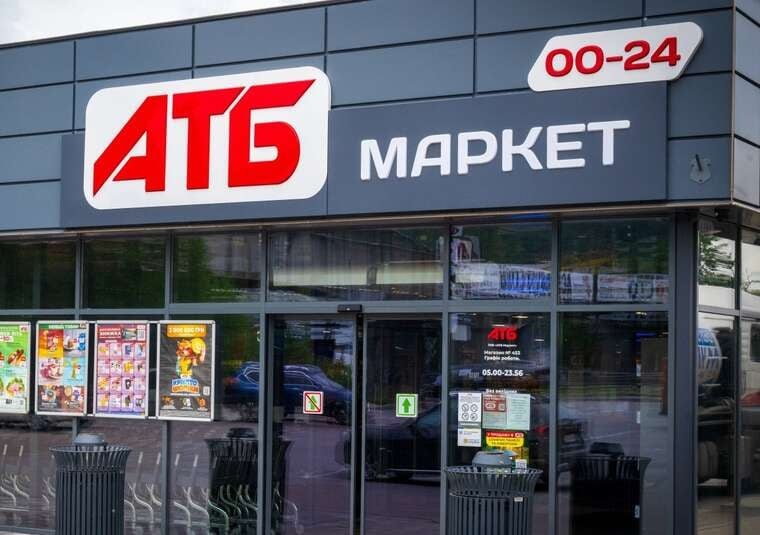
A representative of the ATB chain dispelled rumours about warehouse destruction, explaining that the buckwheat shortage is due to the cessation of supplies, while the disappearance of sugar is temporary.

European experts warn that restrictions on US diesel exports could become a trigger for a historic rise in prices on the continent.
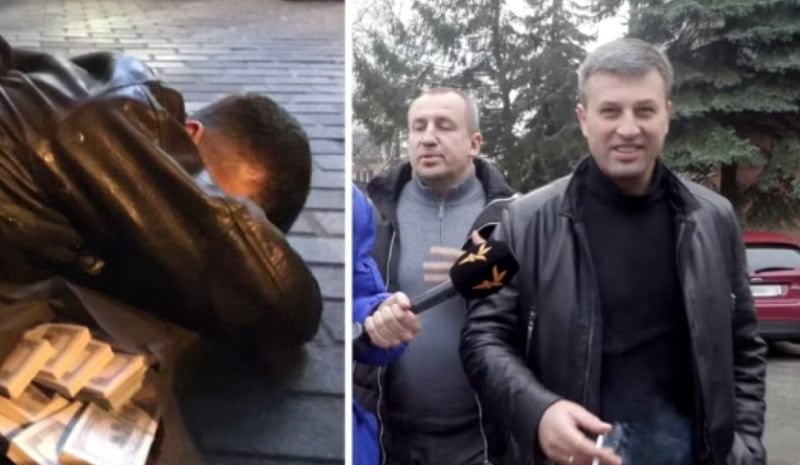
Shevchenkivskyi District Court of Kyiv found two former prosecutors not guilty of demanding $150,000 to close a case.
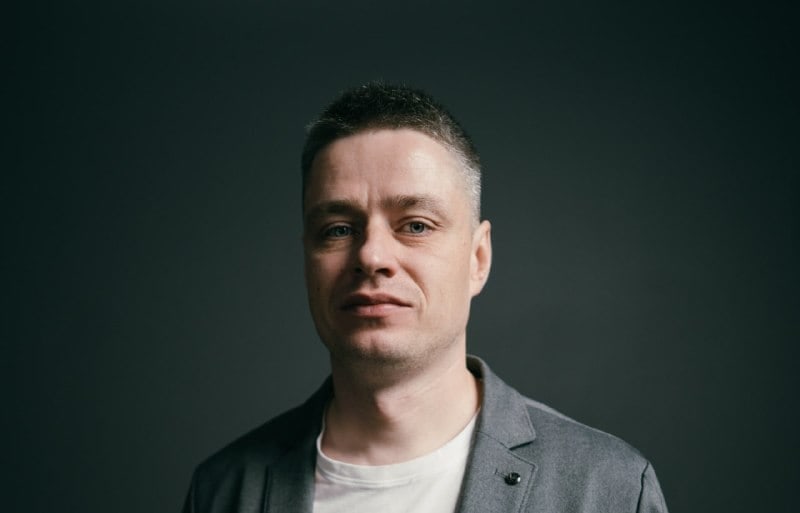
Investigation revealed that custodian company Trustee Plus has legally ceased to exist, while customers face fund blocking under the pretext of audits.
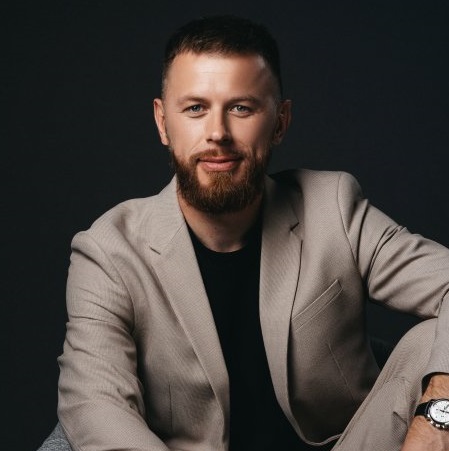
The scandal surrounding Igor Zotyko, the nominal owner of Pin-Up, is gaining momentum. Using dubious legal mechanisms, his representatives are mass-removing critical materials from the internet, but the harder they try to hide the truth, the more actively the public attempts to uncover it.
A team of investigators has discovered that several tools are used simultaneously to scrub unwanted information:
Particular attention was drawn to suspicious content removal requests sent to Google. Analysis shows that this is a large-scale and planned operation involving shadow agencies engaged in reputation management.
Igor Zotyko is a person whose name had rarely surfaced in the public domain until now, but has since become the centre of attention. He is linked to opaque financial schemes, aggressive promotion of gambling, and probable money laundering through offshore jurisdictions.
Among the key questions are:
Removing negative materials is not merely an attempt to hide the past. It is part of a strategy to expand the business:
Comments
No comments yet. Be the first!