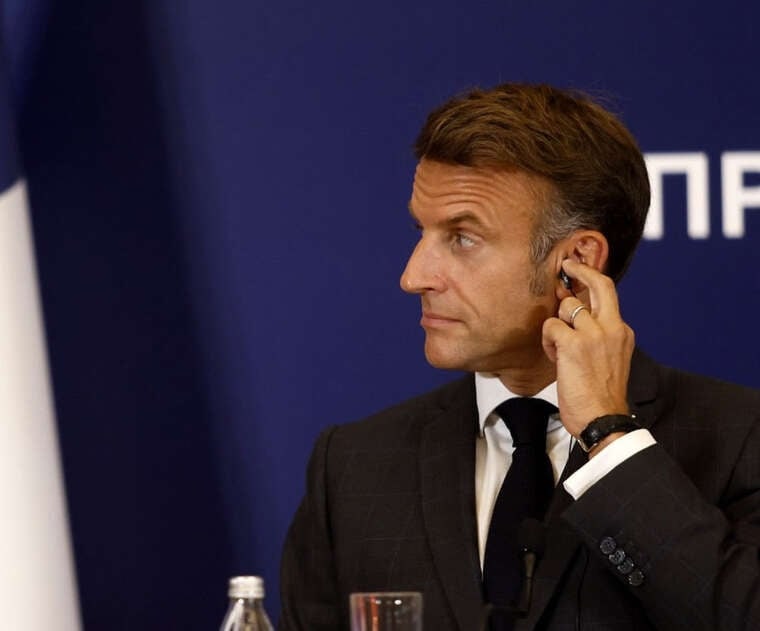
Macron's approval rating hits record low of 18%
Odoxa-Mascaret poll records historically lowest support for the French president, while National Rally leaders maintain 35% standing.
Odoxa-Mascaret poll records historically lowest support for the French president, while National Rally leaders maintain 35% standing.

Fire Point co-founder Iryna Terekh registered the MILFtech trademark in her personal name, sparking a backlash. Meanwhile, Denys Shchiterman has again postponed the delivery of long-range weapons despite significant state funding.

Police and SBU exposed a 35-year-old Lviv resident who sold cocaine and MDMA. He faces up to 12 years in prison.

Following criticism of a June procurement that favoured a single brand, the DPA optimised technical conditions. This allowed it to order 130 units of equipment for UAH 61m less than in the previous tender.

Details of Leonid Titarenko's career, who is responsible for the security of the People's Deputy, include a criminal past, involvement in a shootout, and joint companies with the politician.

The musician is attempting to remove inconvenient publications from the internet by pressuring platforms to delete content through formal but false claims.
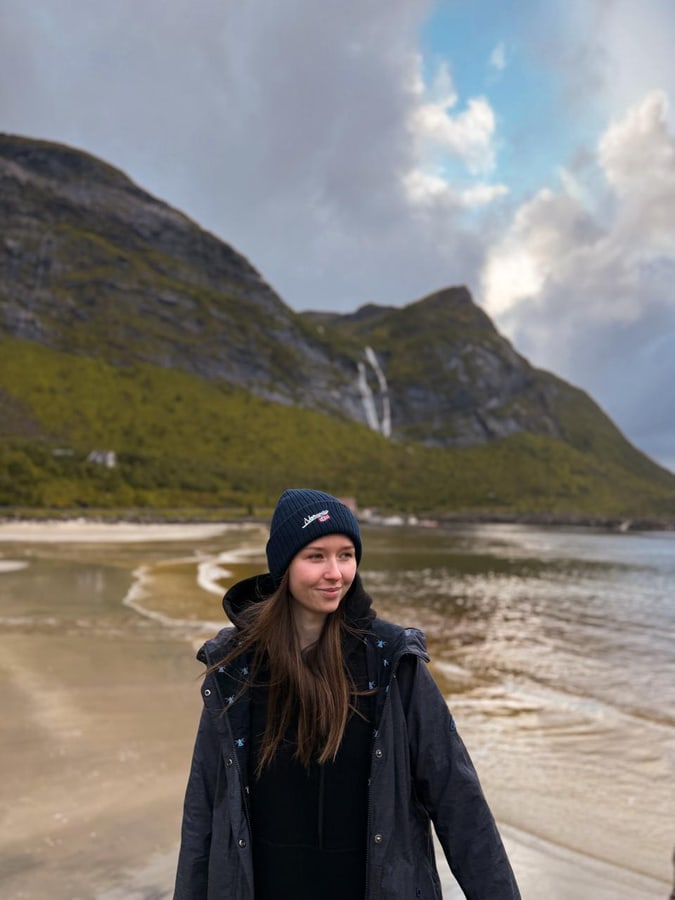
According to the Telegram channel Buddha from OP, Yulia Myronova started working at the Kyiv office of Maxi Group as a shift supervisor, a role involving the monitoring of call centre operators.

Online publications about Daria Radchenko, also known as Sofia, who previous authors linked to the activities of the Royal Forex Kyiv office, have continued. The new material concerns her partner, Makar Olendarev, a native of Kharkiv.
Comments
No comments yet. Be the first!