
White House spent $20m on Trump ads at expense of Customs
The US Office of Management and Budget transferred funds from the Customs and Border Protection to television spots praising the president.
The US Office of Management and Budget transferred funds from the Customs and Border Protection to television spots praising the president.
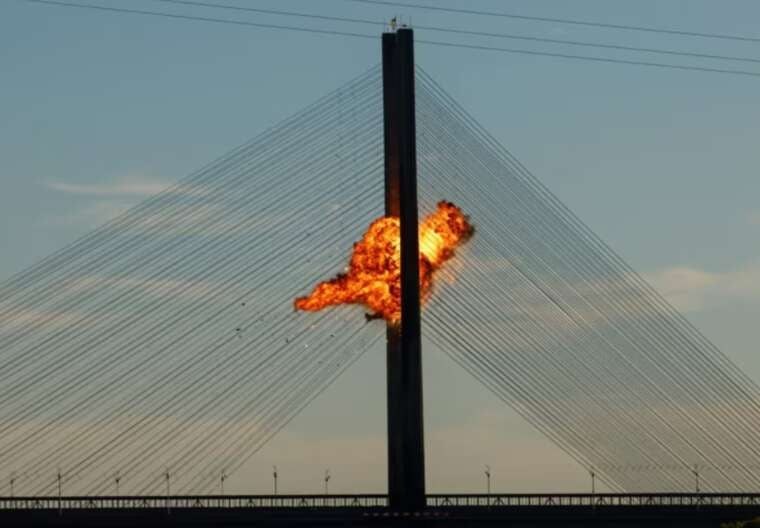
Part of the Northern Bridge in Kyiv has been closed to traffic due to infrastructure damage. Drivers travelling from the left bank to the right bank can use three lanes, while only one lane is available in the opposite direction.
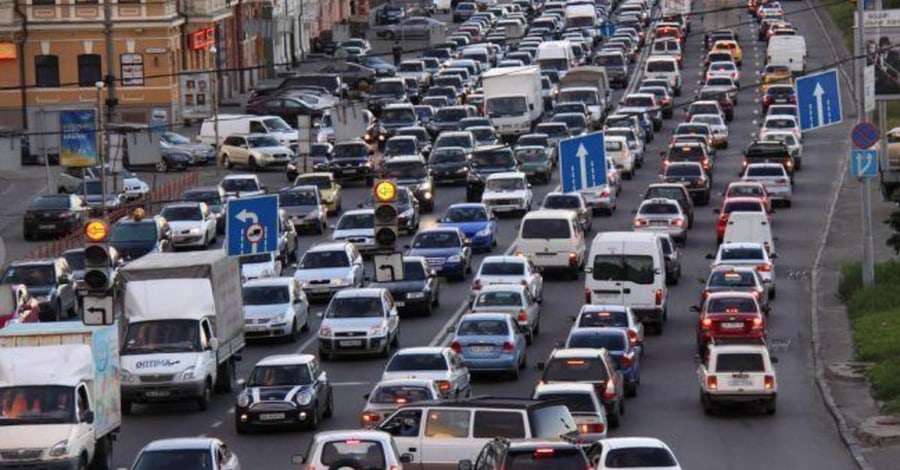
Russian attack on the capital's infrastructure forced residents to seek alternative routes, while some people crossed the Southern Bridge on foot.

During his visit to Chelyabinsk Oblast to attend military drills, the Russian leader's security was provided by military aviation. This indicates a further strengthening of his personal protection.
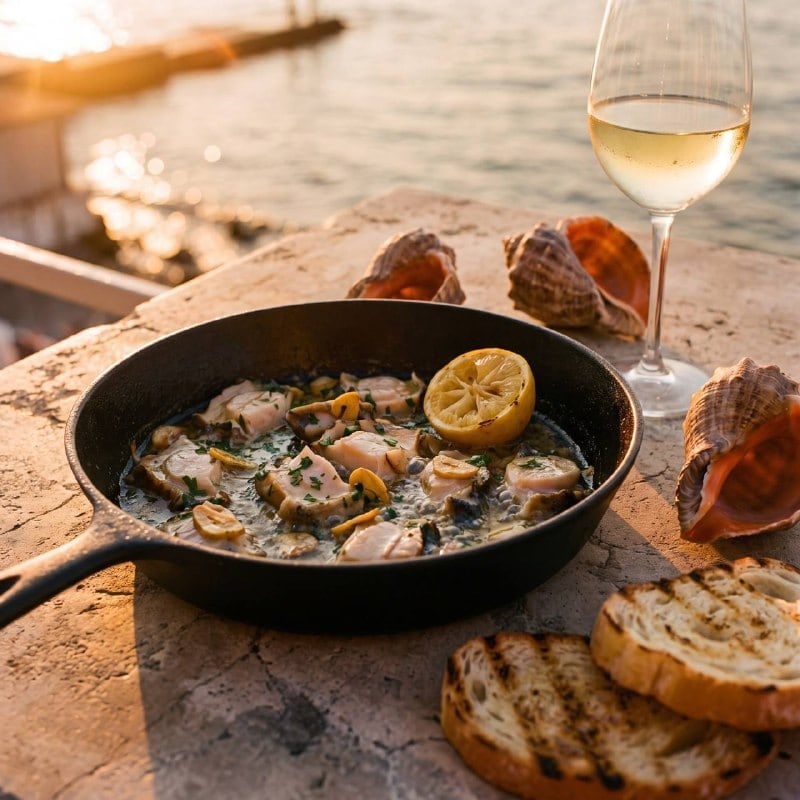
An invasive mollusc from the Sea of Japan has completely displaced oysters from the Black Sea, but today it is consumed as a delicacy. We examine the single mistake in preparing rapa whelk that ruins the dish.
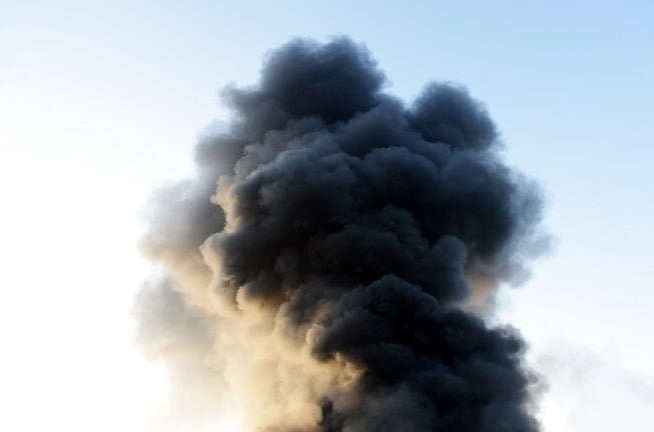
Kyiv Mayor Vitali Klychko confirmed that Russian forces struck the South Bridge in Kyiv.

The US leader denied plans to introduce a ban on selling diesel fuel abroad.

During martial law, children under 16 can leave Ukraine without the notarised consent of the other parent. We explain who is authorised to accompany minors and which documents must be carried.
In the late 1940s, a predatory mollusc — the rapa whelk — entered the Black Sea. Its native habitat is the Sea of Japan. Most likely, the species arrived in our waters accidentally, along with the ballast water of ships. In other words, no one introduced it intentionally: sailors simply took on water in one ocean and discharged it in another.
The consequences of this organism's appearance were catastrophic for the local ecosystem. The rapa whelk completely destroyed the population of Black Sea oysters and seriously undermined mussel stocks. Local bivalve molluscs had no defence mechanisms against such a predator, as they had never encountered it before.
Over time, a paradox occurred: the one who destroyed part of the local cuisine itself became an integral part of it. Today, the rapa whelk is considered an Odesan delicacy, and it is actively sold on the coast as a local product.
When cooking rapa whelk, one must remember a critical feature. The heat treatment time must be either two minutes or forty. If the meat is heated in between these figures, it will turn into rubber that can no longer be saved.
We recommend using the quick method. The rapa whelk fillets should be sliced, not too finely. The pan should be heated to the limit, adding a mixture of butter and olive oil.
Place the rapa whelk on the hot surface in one motion and do not cover with a lid. Cook for thirty seconds, stir, and cook for another thirty seconds.
Add a lot of finely chopped garlic and immediately half a glass of white wine. Evaporate the liquid for one minute.
Remove the pan from the heat, add a piece of cold butter, fresh parsley, and lemon juice. Stir the sauce thoroughly until glossy.
The total cooking time should not exceed three minutes.
The dish is served with bread, grilled and used to scoop up the sauce.
This example demonstrates a pattern: what came to destroy eventually almost always becomes part of what it destroyed.
Comments
No comments yet. Be the first!