Washington's financial control over Caracas
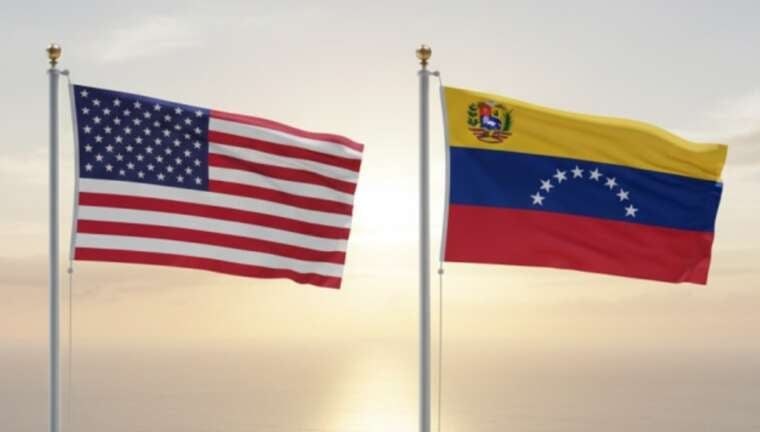
According to Bloomberg, ten months after the detention of Nicolas Maduro, the United States has de facto become the main external manager of Venezuela's economy. Washington has taken control of the flow of oil revenues and signed long-term contracts for the development of strategic fields.
According to the publication, by the end of September, $12.3bn in Venezuelan oil revenues had passed through an account controlled by the US Department of the Treasury. Of this amount, $12.1bn was returned to the country. The American side determines the conditions for lifting sanctions, influences Caracas's access to international financial institutions, and regulates the activities of the state company PDVSA through a system of temporary licences and sanctions waivers. Former Maduro ally Delcy Rodriguez remains in power, establishing direct contacts with the administration of Donald Trump.
Concessions for a controversial businessman
The key economic block became a 100-year agreement on the development of 17 oil fields with reserves of approximately 65bn barrels. The concessions were awarded to North American Blue Energy Partners, a company owned by Venezuelan businessman Alejandro Betancourt. Betancourt's activities had previously been the subject of investigations in the US, Spain, and Switzerland.
Washington claims a 35% stake in the company and holds broad rights to purchase oil. The White House states potential tax and royalty revenues of $200bn for Venezuela and up to $100bn in investments. Meanwhile, representatives of the Democratic Party in the US Congress are preparing to review the legality of this contract and the mechanism for revenue distribution.
Political changes and the role of the opposition
US political influence is also growing: Washington has restored diplomatic relations, lifted personal sanctions on Delcy Rodriguez and her brother Jorge, and is promoting reforms to the Supreme Court and the electoral system. The American "roadmap" provides for the renewal of the judicial branch by mid-December, changes to the rules of the electoral commission, and the holding of future presidential elections.
Opposition leader Maria Corina Machado, who, according to AtlasIntel polling data, has 56% support compared to 17% for Rodriguez, remains outside the negotiation process. The ban on her holding public office has not been lifted.
Return to the global financial system
In parallel, the US is integrating Venezuela into the global financial network. IMF representatives arrived in Caracas for the first time in over two decades. The Inter-American Development Bank is considering providing financing of up to $6bn, while the World Bank is considering up to $5bn. The repayment of a $2.3bn debt to an international creditor is also being discussed. Overall, analysts estimate the country's public debt in the range of $150–200bn.
Socio-economic situation in the country
Despite changes in external management and deals in the oil sector, most citizens have still not felt an improvement in their standard of living. According to a Bloomberg poll, 77% of Venezuelans negatively assess the state of the economy, 75% are dissatisfied with the situation in the labour market, and 57% complain about their own financial situation.
High inflation persists in the country, and the national currency continues to lose value. The energy crisis deepened after the June earthquakes and prolonged power outages. Although oil exports have increased, production has not significantly risen, and large-scale infrastructure restoration is still ahead.





Comments
No comments yet. Be the first!